

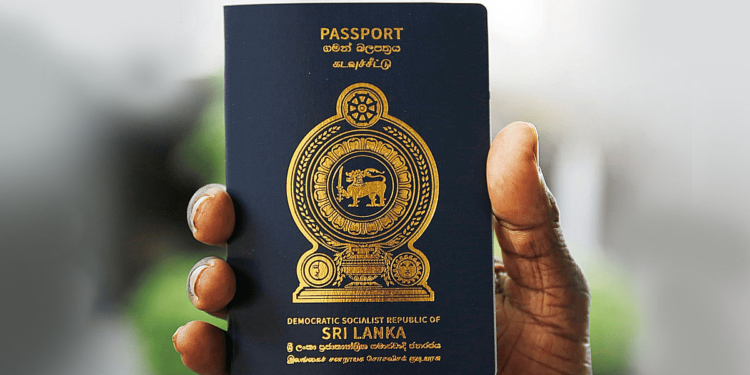
The Sri Lanka Bureau of Foreign Employment has issued a warning about a looming passport shortage that could impact citizens seeking employment abroad. The current stock of 750,000 passports is expected to run out between July and September this year, posing challenges for aspiring migrant workers.
A significant concern centers around candidates preparing for the Korean Language Proficiency Test, which requires a valid passport number for registration. This has led to an anticipated surge in passport applications in the coming weeks. Typically, around 30,000 passports are required monthly to cater to the foreign employment sector.
Foreign employment agents have urged the Bureau to intervene and prioritize passport issuance for their clients. They caution that failure to address the demand could result in job opportunities for Sri Lankans being redirected to other countries.
Discussions Held, But No Permanent Solution Yet
Public Security Minister Ananda Wijepala recently convened discussions with officials, including representatives from the Sri Lanka Bureau of Foreign Employment. Despite these talks, no permanent solution has been finalized, and another meeting is scheduled.
Kosala Wickramasinghe, Chairman of the Bureau, confirmed that the passport issue was highlighted in a meeting last week. However, plans to order a new batch of passports were delayed due to a pending Court of Appeal case challenging the Department of Immigration and Emigration’s e-passport tender.
The Bureau has provided statistics to project the number of passports needed for the employment sector, with plans to send approximately 340,000 workers overseas this year, up from 312,000 in 2023. Migrant worker remittances remain vital for the country’s economic stability.
Expert Committee Appointed Amid Rising Backlog
Adding to the urgency is a backlog of over 100,000 passport applications, compounded by a controlled daily issuance of just 2,000 passports—most of which are processed under the one-day service category. To address the crisis, the Ministry of Public Security has appointed an expert committee to recommend solutions. However, no new orders for passport supplies have been placed.
The Bureau continues to emphasize the importance of a swift resolution to ensure the country can meet its foreign employment targets and maintain the flow of much-needed remittances.