This article delves into the recent tax amendments introduced in Sri Lanka, exploring how they will affect individuals and businesses. It covers key changes such as the withholding tax mechanism, benefits from PAYE tax deductions, and other significant features of these reforms.
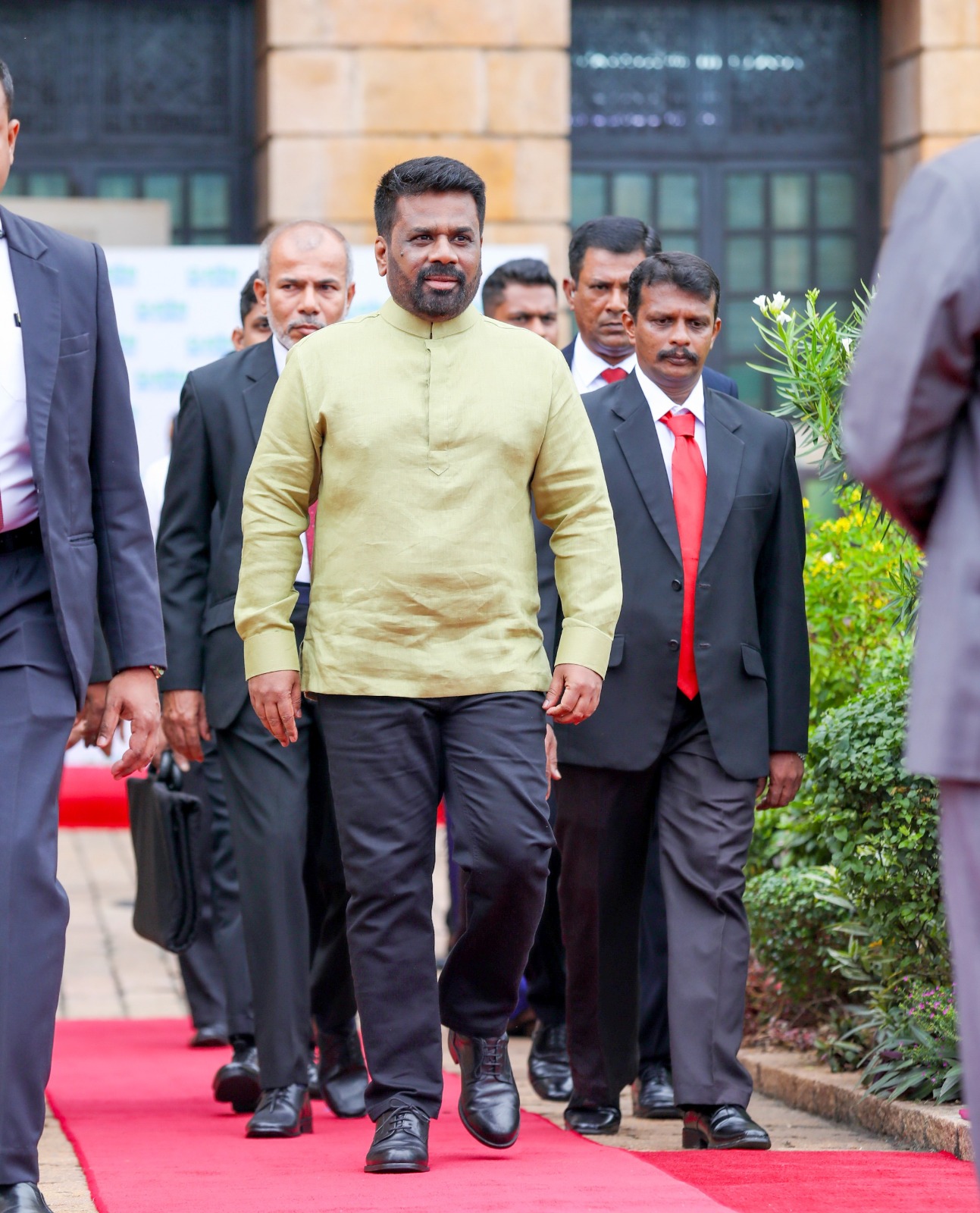
These amendments align with the International Monetary Fund (IMF) program, which aims to increase Sri Lanka’s state revenue to 15.1% of GDP by 2025. The IMF also targets a primary surplus of 2.3%. In this context, the government has presented these tax reforms, and President Anura Kumara Dissanayake discussed them in Parliament on the 18th. This article provides an in-depth look at the implications of these changes.
Key Tax Reforms
1. Personal Income Tax Revisions
The government has revised personal income tax thresholds, effective April 1, 2025. Previously, individuals earning over Rs. 100,000 per month were subject to tax. This threshold has now been increased to Rs. 150,000 per month. Similarly, annual tax exemptions have been raised from Rs. 1.2 million to Rs. 1.8 million.
Additionally, tax slabs have been adjusted. For instance, the 6% tax rate, which applied to incomes between Rs. 1.8 million and Rs. 2.3 million annually, now applies to incomes between Rs. 1.8 million and Rs. 2.8 million. This expansion aims to provide relief to middle-income earners while maintaining revenue targets.
2. Abolition of Imputed Rental Income Tax
The imputed rental income tax has been abolished, reducing the burden on property owners.
3. Tax on Service Exports
A 15% tax has been introduced on service exports. The specifics of taxable services under this category are yet to be clarified, but this move seeks to enhance state revenue from global service operations.
4. VAT on Digital Services
For the first time, Sri Lanka will impose an 18% VAT on digital services provided by companies operating within the country. This measure aligns Sri Lanka’s tax policy with global trends and aims to generate additional revenue.
5. Vehicle Import Restrictions and Stamp Duty
The government has announced plans to relax vehicle import restrictions, intending to boost tax revenue through increased imports. Moreover, stamp duty on lease facilities will rise by 2%.
Implementation Timeline
The new tax measures will be implemented in two phases: some from January 1, 2025, and others from April 1, 2025.
Implications for Taxpayers
The revision in personal income tax thresholds is particularly significant. Under the new rules:
- Individuals earning up to Rs. 150,000 per month or Rs. 1.8 million annually will be exempt from tax.
- For earnings beyond Rs. 1.8 million, adjusted tax slabs and rates will apply, offering some relief compared to previous thresholds.
This restructuring reflects the government’s intent to provide relief to lower and middle-income groups while ensuring adequate revenue generation for economic stability.
Final Thoughts
These tax amendments represent a critical step in Sri Lanka’s fiscal strategy under the IMF program. While they aim to strengthen state revenue and economic resilience, their impact on individuals and businesses will be closely monitored. Stay informed as further details and clarifications emerge regarding these measures.