
September 21 marked a historic day for Sri Lanka, as millions headed to the polls in the first presidential election since mass protests forced former President Gotabaya Rajapaksa from office in 2022. For the first time in the country’s history, a second round of vote counting was required, as no candidate secured the necessary 50% margin for victory.
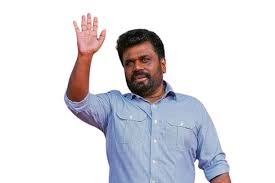
The outcome of this second count brought a political shockwave. Anura Kumara Dissanayake emerged as the new president, becoming the first leader not affiliated with the two dominant political parties that have controlled Sri Lankan politics since independence in 1948. Dissanayake, the head of the National People’s Power (NPP) alliance, leads a coalition that includes his Janatha Vimukthi Peramuna (JVP) party, known for its left-wing policies.
Shortly after his inauguration, Dissanayake formed an interim cabinet with just three ministers, including Harini Amarasuriya, a prominent academic, feminist, and human rights activist, who became the third female prime minister in the country’s history. He then dissolved the 225-member parliament, where his NPP held only three seats, and announced parliamentary elections scheduled for November 14. Dissanayake emphasized that continuing with a parliament misaligned with the people’s will was pointless.
However, the new president faces a formidable challenge. Sri Lanka defaulted on its debt and halted payments on nearly US$78 billion in foreign and domestic loans in 2022, triggering the worst economic crisis in the nation’s history. Although the economy has stabilized somewhat, it remains in a fragile state. The question now is how Dissanayake plans to revive it, and whether he can succeed.
One of Dissanayake’s most pressing tasks is managing the terms of a US$2.9 billion bailout from the International Monetary Fund (IMF), which was negotiated by his unelected predecessor, Ranil Wickremesinghe. The loan was secured with conditions that many view as unfavorable, including harsh austerity measures, increased prices for essential goods, and domestic debt restructuring. These measures have placed a heavy burden on the working class, with retirement funds losing half their value over the next 16 years.
The IMF bailout also requires Sri Lanka to meet strict fiscal targets, such as reducing public debt to 95% of GDP by 2032 and allocating 30% of government revenue to debt servicing. This deal, which prioritizes the interests of foreign creditors holding 37% of Sri Lanka’s outstanding debt, has sparked growing public opposition. In March, thousands of workers across various sectors, including hospitals, schools, and railways, went on strike to protest the government’s austerity measures.
In one of his final acts as acting president, Wickremesinghe announced a tentative agreement with international bondholders to restructure US$12.5 billion of Sri Lanka’s external debt. The deal proposes issuing new bonds linked to the country’s economic recovery, but experts are concerned that this could lead to renewed debt problems by the decade’s end.
Dissanayake faces the delicate task of renegotiating this agreement with bondholders, as well as ensuring that Sri Lanka’s economic growth is not solely reliant on accruing more debt. He must also find ways to distribute this growth more equitably across the population.
During his campaign, the NPP acknowledged the necessity of working with the IMF to restructure the country’s external debt. Dissanayake will need to engage closely with the IMF to renegotiate the financial aid terms, ensuring they accommodate social safety nets and allow for increased public spending. Delays in receiving future IMF disbursements are possible if negotiations stretch out, but reworking the loan framework to include debt forgiveness and more realistic fiscal targets will be crucial to avoid future defaults.
The Sri Lankan public is eager for a change in direction. If Dissanayake and the NPP can rally public support and gain a strong mandate in the upcoming general elections, they may have a chance to lead the country out of its economic woes and towards a more sustainable future.