In 2022, Pakistan and Sri Lanka faced severe economic crises, but their responses and outcomes diverged significantly. Sri Lanka swiftly embarked on a path to a slow yet steady recovery. In contrast, Pakistan’s economic concerns persist, with double-digit inflation, food shortages, mounting foreign debts, excessive defense spending, corruption, external instability, and climate-related shocks. The rapid depreciation of the Pakistani rupee has compounded its economic troubles, including increased fuel import costs. As of July 2023, Pakistan grappled with an alarming inflation rate of 28.3 per cent, accompanied by socio-political instability, and it faced the risk of defaulting on its external debt obligations.
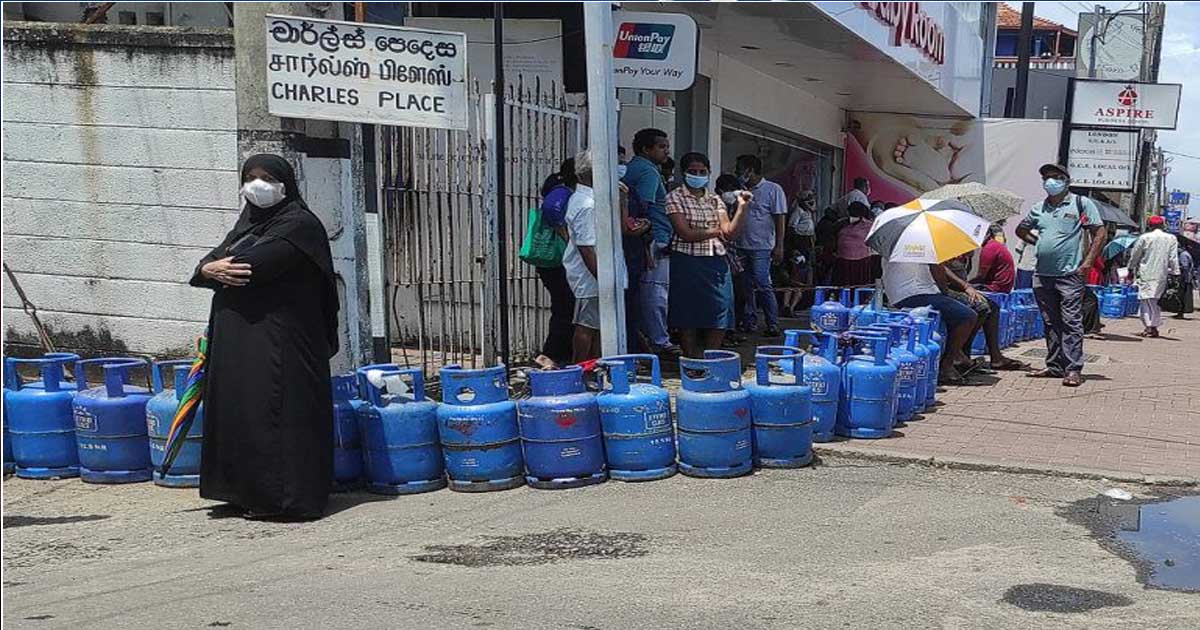
Sri Lanka experienced its most severe economic crisis since gaining independence in 1948. A combination of policy decisions, the fallout from the civil war, and the pandemic’s impact on tourism led to rising import bills and economic deterioration. This crisis triggered soaring prices and shortages of essential commodities, sparking nationwide protests. However, Sri Lanka managed to recover relatively quickly through changes in leadership, financial assistance from the World Bank, and support from neighbouring countries like India. The nation implemented strategies such as monetary and fiscal policies to control inflation, progressive taxation, and privatization of state-owned enterprises, resulting in a significant improvement in its economic situation. By August 2023, Sri Lanka had achieved a single-digit inflation rate of 6.3 per cent.
The contrasting recovery trajectories of Pakistan and Sri Lanka can be attributed to their socioeconomic and political conditions. Nations with better political stability, democratic governance, lower corruption, reduced inequalities, and strong institutions tend to be more resilient in times of crisis. These countries can manage the effects of crises more effectively and hold their governments accountable for implementing sound policies. In this context, Sri Lanka’s path to recovery is attributed to its democratic culture and well-established institutions, allowing for more effective crisis management and economic resilience. On the other hand, Pakistan faces challenges in these areas, making it more vulnerable to financial crises.
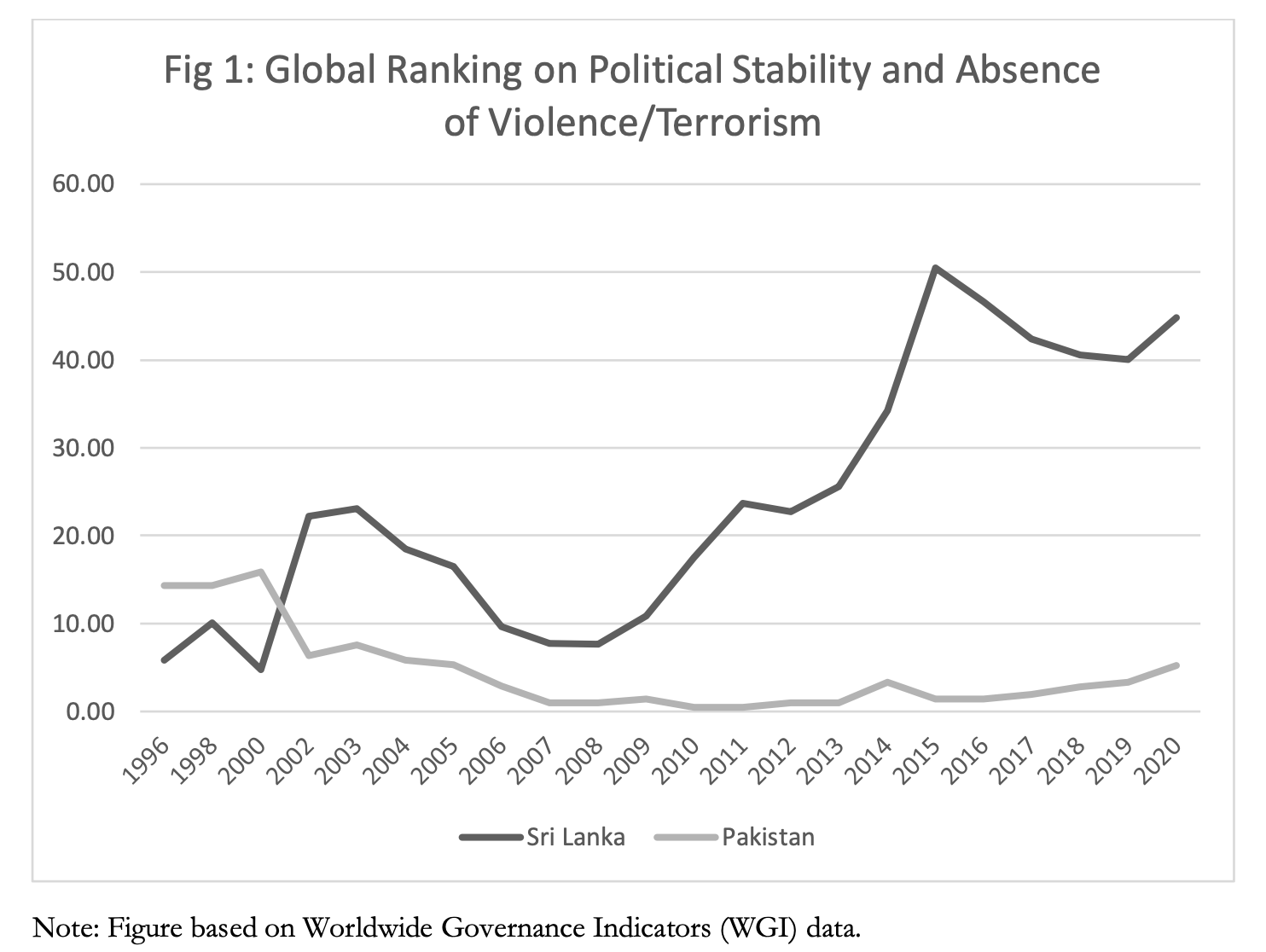
Pakistan and Sri Lanka present contrasting narratives in the realm of development and governance. Pakistan’s development trajectory has often been characterized as one of “development-less growth,” marked by elite clientelism and a lack of investment in human capital for the majority of its population, resulting in low educational and economic outcomes. In contrast, Sri Lanka has exhibited a more favorable record, underpinned by pro-citizen governance and robust, transparent institutions. This divergence is underscored by the economic costs of violence, with Pakistan bearing a substantial burden, accounting for 8% of its GDP, in contrast to Sri Lanka’s far more modest 2021 figure. Political instability and politically motivated violence, including terrorism, are more prevalent in Pakistan, leading to a lower global ranking in political stability.
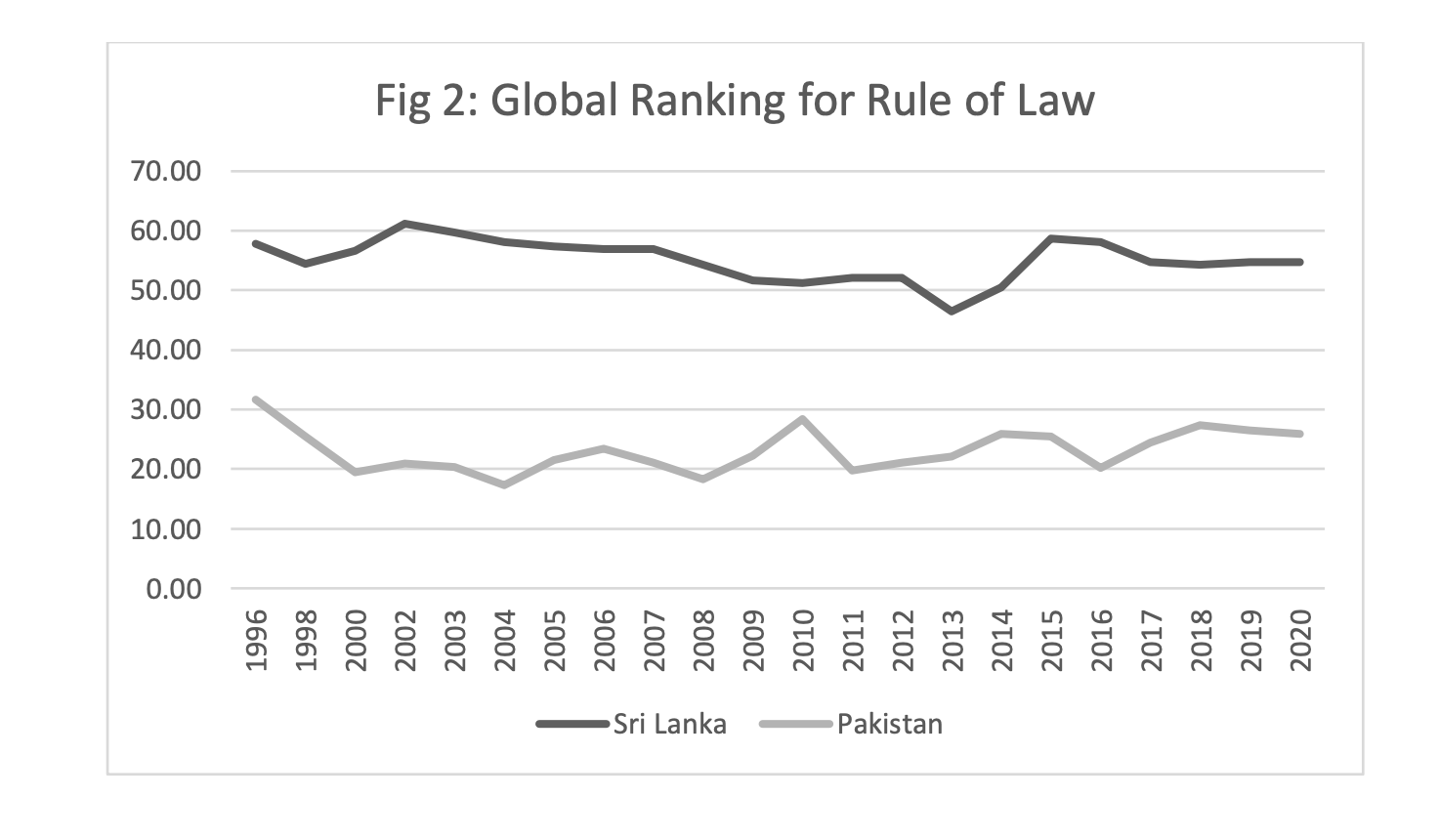
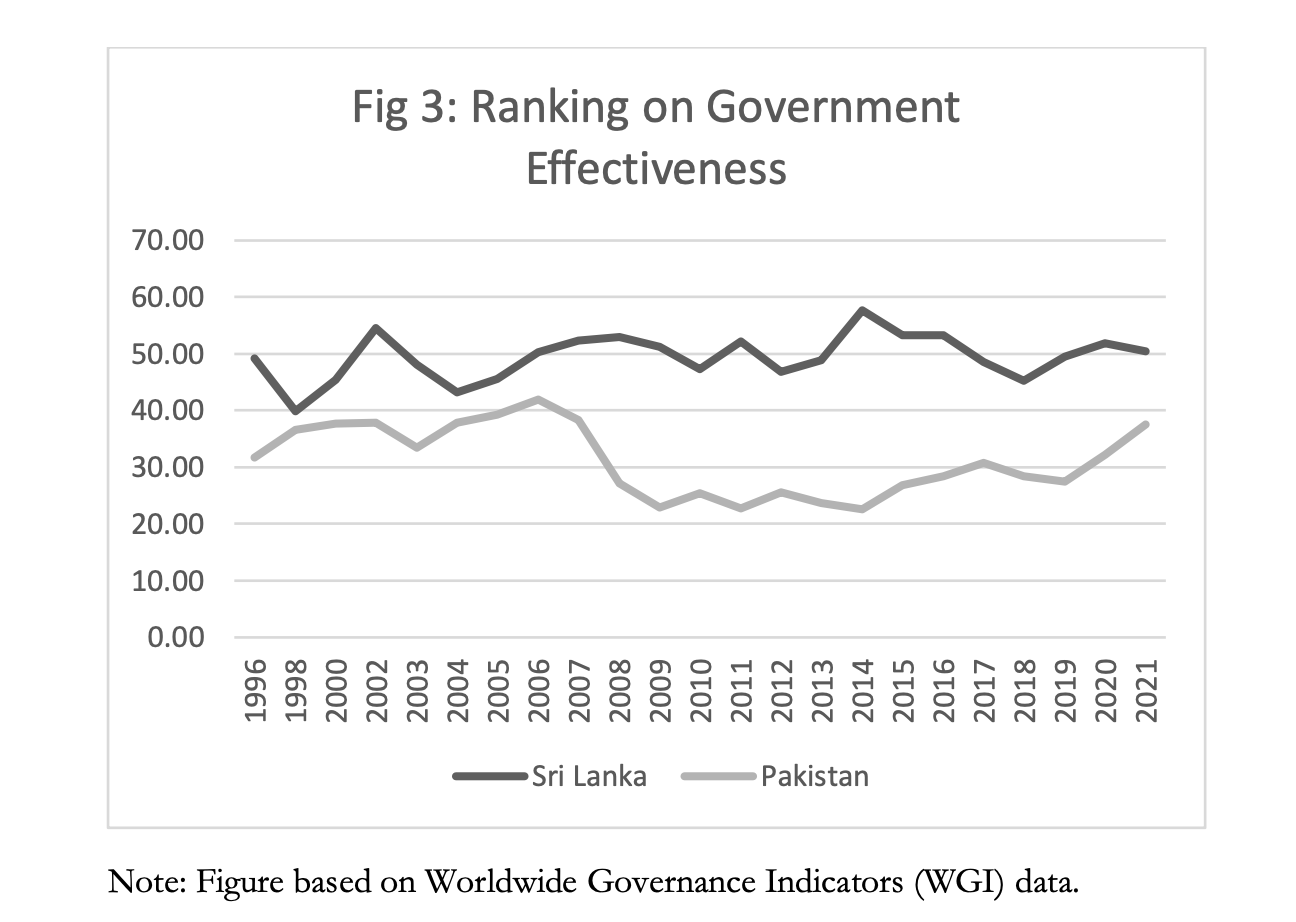
Additionally, Sri Lanka outperforms Pakistan regarding the rule of law, government effectiveness, and citizen participation while exhibiting more significant control over corruption. These disparities extend to living standards, with Sri Lanka boasting a significantly higher per capita GDP, reflecting a more equitable labour market with a higher female income share. Furthermore, Sri Lanka consistently ranks higher on the Human Development Index, indicating more excellent human development compared to Pakistan, where inadequacies in education, health, and living standards persist. These findings underscore the substantial developmental gaps between the two nations and emphasize the critical role that governance and institutions play in shaping their trajectories.
The prevailing economic situation in Pakistan has deteriorated due to political instability and a surge in terrorism. According to the World Bank, over 40 percent of Pakistan’s population has been impoverished. The Bank has also criticized Pakistan’s economic model for its inability to reduce poverty, as its real per capita growth rate is less than half of that in other South Asian countries over the past two decades.
In the case of Sri Lanka, the unstable economic environment and slow pace of reforms pose a significant challenge as the country is still in the economic recovery phase. It is safe to say that the recovery achieved so far has been through higher levels of socioeconomic development, effective governance, and active participation of the people.
So, how can we explain the markedly different outcomes of the crisis in these two nations? Historically, there has been a substantial disparity in the rankings of these two economies across various political and socioeconomic indicators. This divergence in rankings reflects the significant differences in the socioeconomic institutions and governance that have evolved in these countries over centuries. After all, the current institutions and economic conditions result from a series of past decisions.
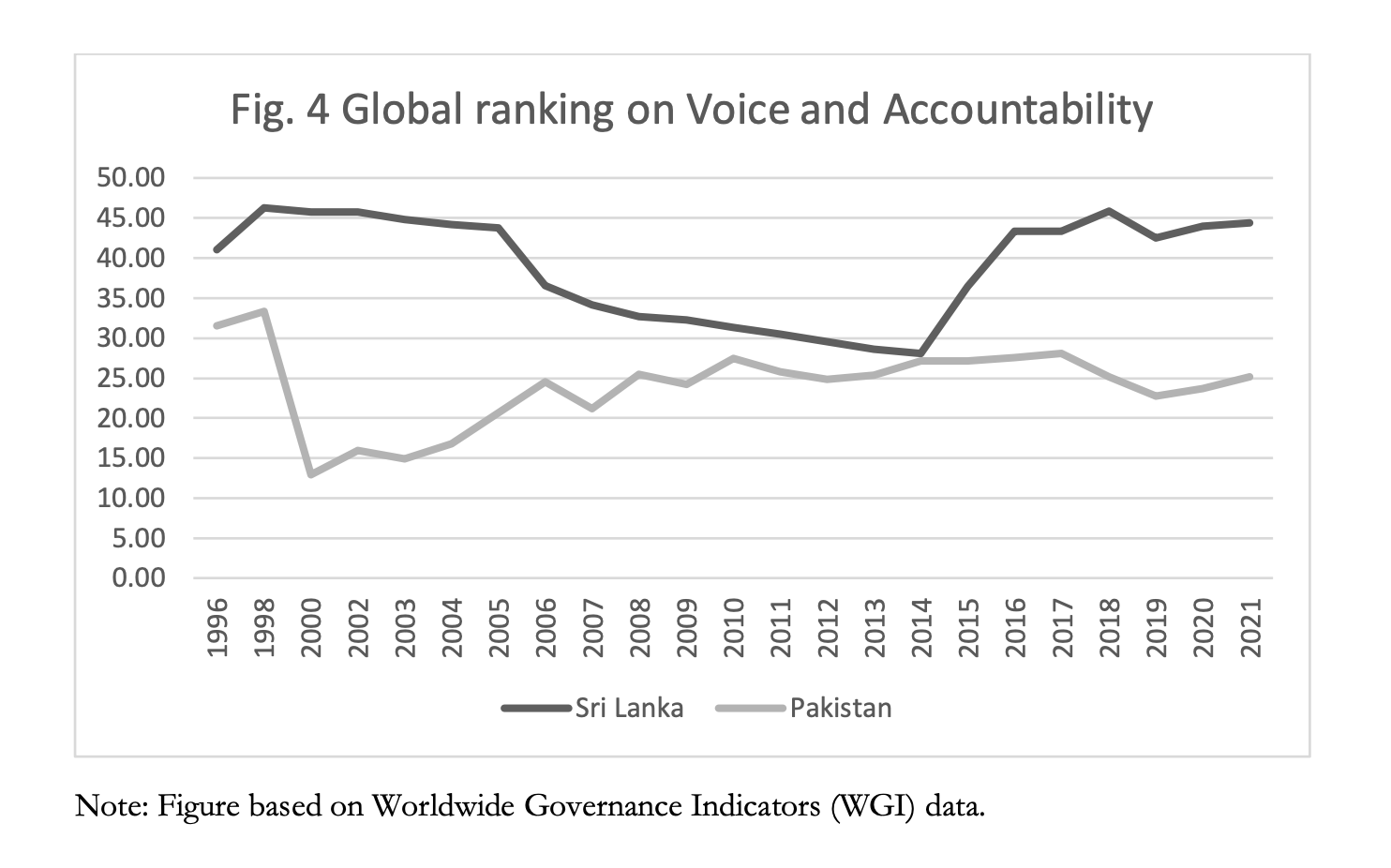
With this in mind, the current resilience, or lack thereof, in these two countries is not solely the consequence of recent domestic and international economic shocks. Instead, resilience is cultivated within the economy and society over time through institutions that uphold the rule of law, effective governance, citizens’ freedom to express dissent, and, most importantly, political stability.
Source : globalstratview.com