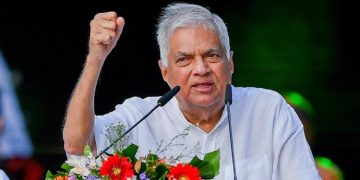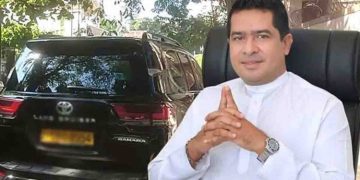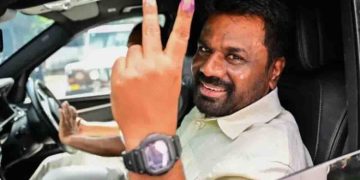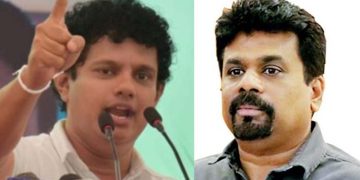

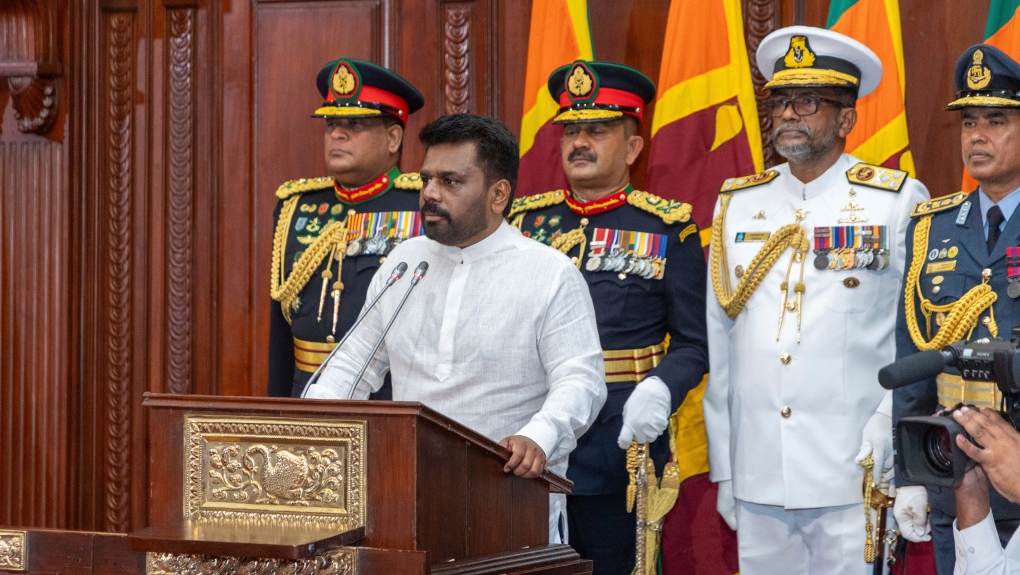
Newly elected Sri Lankan President Anura Kumara Dissanayake has already sparked controversy with his first key appointments. On his first day in office, Dissanayake assigned several close friends and associates to prominent government positions, raising concerns over the ethical consistency of his leadership. As the leader of the National People’s Force (NPP), Dissanayake rose to power by denouncing nepotism and cronyism in previous administrations. Now, however, some critics are questioning whether his actions align with the merit-based governance he promised during his campaign.
Appointment of President’s Secretary: Nandika Sanath Kumanayake
A particular appointment that has garnered widespread attention is that of Nandika Sanath Kumanayake, a long-time personal friend of Dissanayake, as President’s Secretary. Both men were contemporaries at Kelaniya University, and their close relationship has led to concerns of favoritism. While Kumanayake has served as Deputy Director of Sri Lanka Customs, where he specialized in areas such as corruption, international trade, and development economics, his professional credentials have not been widely highlighted in the public domain.
Critics argue that this appointment contradicts the meritocratic principles Dissanayake had championed, as Kumanayake’s personal ties to the President may overshadow his professional qualifications. Supporters, however, claim that Kumanayake’s experience in combating corruption could benefit the administration, especially in the current economic climate.
The role of President’s Secretary, traditionally held by the most senior civil servant in the Sri Lankan Administrative Service (SLAS), has historical significance, dating back to colonial-era governance. However, this tradition was first broken in 2019, and now Dissanayake’s appointment of Kumanayake continues this break from convention, drawing parallels to practices under the Rajapaksa administration.
While Kumanayake’s qualifications are under scrutiny, the debate centers around whether Dissanayake’s decision represents a departure from his campaign promises of ethical governance.
Appointment of Public Security Ministry Secretary Sparks Controversy: Ravi Senaviratne
The recent appointment of Ravi Senaviratne as Secretary to the Ministry of Public Security by President Anura Kumara Dissanayake has sparked significant public debate, particularly due to his controversial past. Senaviratne, a former Senior Deputy Inspector General (DIG) of the Criminal Investigation Department (CID), was a key figure during the 2019 Easter Sunday attacks, which led to widespread criticism of Sri Lanka’s security services. His new role has raised questions about accountability, especially given his past association with significant security failures.
Senaviratne’s political alignment with the National People’s Power (NPP), commonly known as “Compass,” adds another layer of complexity to the debate. Critics argue that his appointment directly contradicts the NPP’s campaign platform, which emphasized transparency and reform in governance.
Easter Sunday Attacks and Ongoing Legal Battles
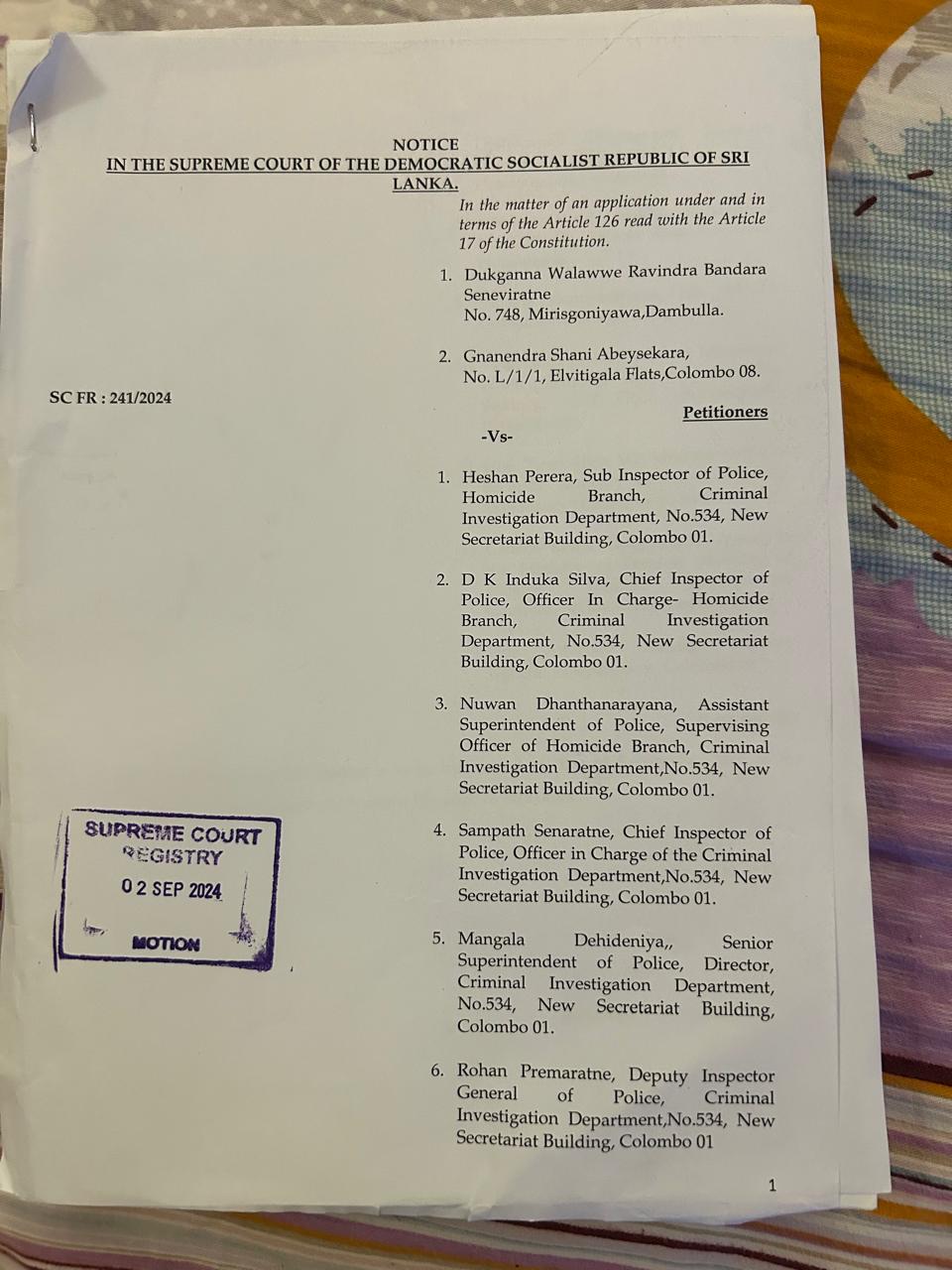
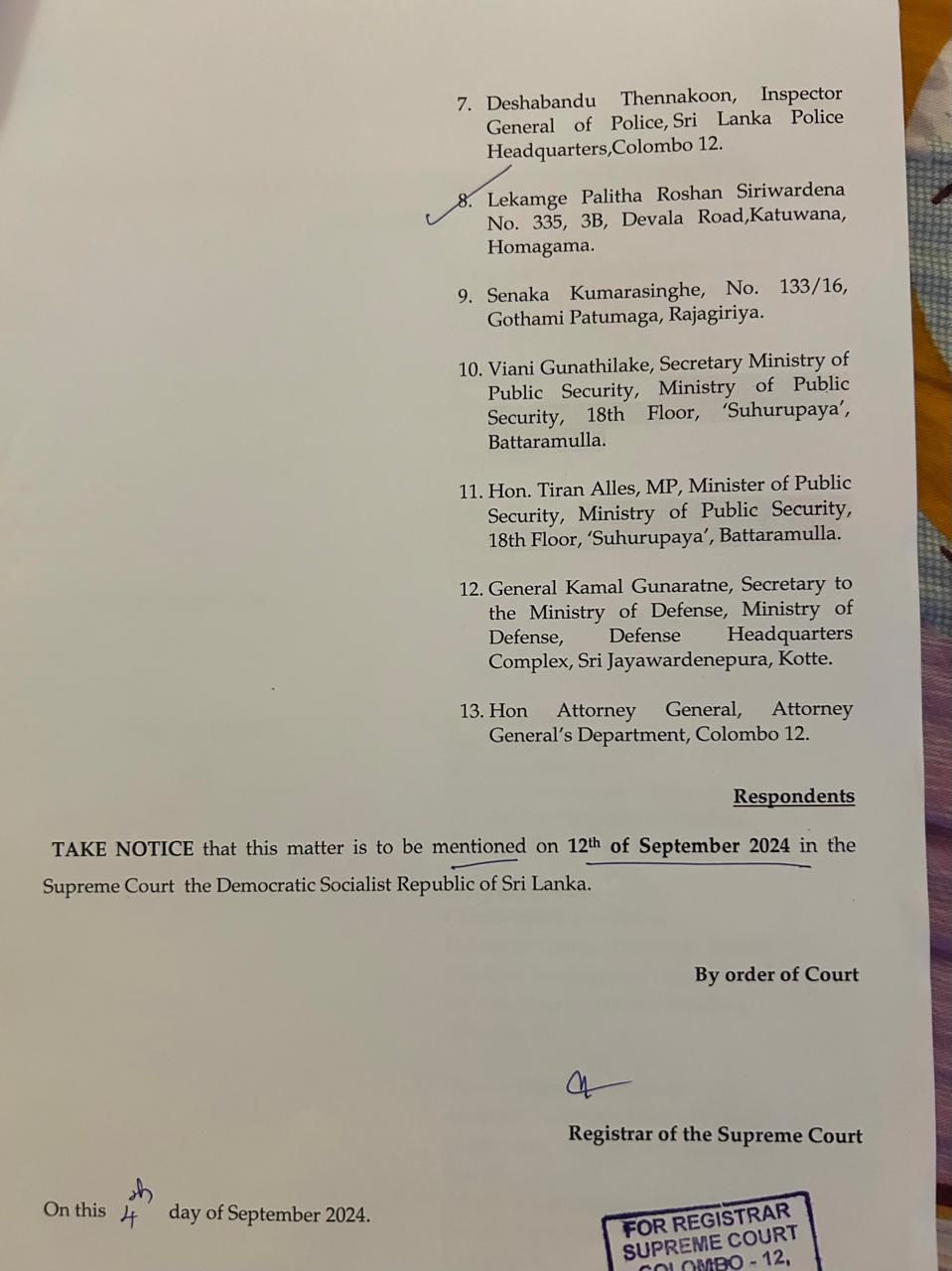
Senaviratne is currently involved in a legal case related to the 2019 Easter Sunday attacks, which remain under investigation by the CID. He filed a petition with the Supreme Court (SC FR 242/2024) in an effort to avoid arrest, as allegations surfaced that he, along with former CID Director Shani Abeysekara, had ignored prior warnings of the attacks. The Supreme Court, on September 20, 2024, ordered further investigations into these claims. With the next hearing scheduled for January 27, 2025, Senaviratne’s new position overseeing the police and CID has drawn concerns of a conflict of interest, as his influence over the ministry could potentially interfere with the ongoing investigation.
Observers and critics alike have expressed concerns that this appointment undermines the principles of accountability and justice that President Dissanayake had vowed to uphold during his campaign.
Past Controversies and Public Scrutiny
Adding to the controversy, Senaviratne was involved in a car accident in late 2023 on Marine Drive, Wellawatte, allegedly while driving under the influence of alcohol. The incident garnered widespread attention across various media platforms and further tarnished his public image. Following the accident, he appeared in Mount Lavinia Courts, where he was granted bail, with formal charges expected in early 2024. This episode has reignited public criticism of Senaviratne’s judgment and behavior, making his appointment to a critical security position even more contentious.
With the country watching closely, Senaviratne’s appointment has raised serious doubts about the NPP’s commitment to reform and has reignited discussions on the importance of accountability in governance.
Controversial Appointment of Defense Secretary: Sampath Thuyakontha
In one of his first major moves as President, Anura Kumara Dissanayake appointed Sampath Thuyakontha as the new Secretary of Defense, sparking widespread criticism. Thuyakontha, a former Wing Commander with a controversial military history, had previously been blacklisted by the Sri Lankan Air Force and is now seen as a divisive figure due to his political connections and actions during the civil war. His appointment is viewed by many as prioritizing political loyalty over expertise and accountability in defense.
Thuyakontha’s military career, particularly his role as Wing Commander of No. 09 Squadron during the final stages of the Sri Lankan civil war, has been marred by accusations of war crimes. He oversaw operations involving Fleet 24, which has been linked to indiscriminate carpet bombing, most notably during the Mullivaikkal massacre in May 2009. These bombings, carried out under the guise of targeting LTTE forces, resulted in the deaths of tens of thousands of Tamil civilians, including attacks on hospitals and designated “No Fire Zones.”
Thuyakontha has openly discussed his involvement in these missions, admitting to overseeing approximately 400 airstrikes during the war’s final phase. His squadron deployed heavy artillery, including rockets, bombs, and Gatling guns, which devastated civilian areas and vital infrastructure. His actions, along with those of other military leaders, have been widely condemned by international human rights organizations for violations of humanitarian law and targeting civilian populations.
Following the war, like many senior military officials, Thuyakontha was assigned a diplomatic post, serving as Sri Lanka’s defense attaché to Pakistan, a move seen by critics as a way to shield him from potential war crimes prosecutions.
The appointment has raised serious concerns about President Dissanayake’s commitment to justice, human rights, and reconciliation. Thuyakontha’s controversial past, along with the fact that his predecessor, Kamal Gunaratne, was also accused of war crimes, signals a continuity of impunity for individuals implicated in wartime atrocities. This decision has cast doubt on the administration’s promises of transparency and reform.
Contradicting Campaign Promises?
Throughout his political career, and particularly during his election campaign, Anura Kumara Dissanayake consistently advocated for a clean break from the corrupt practices of past administrations. He frequently criticized previous leaders for using their influence to appoint friends, family, and political allies to high-level government positions—practices he argued undermined the government’s competence and integrity.
Many of Dissanayake’s supporters were drawn to his promise of change, envisioning a transparent, merit-based administration. His rhetoric championed a new political culture where qualifications and expertise would take precedence over personal relationships and political loyalties. However, his early appointments have raised concerns, with some questioning whether these moves align with the principles he campaigned on, potentially signaling inconsistencies in his leadership.
Public Reactions and Concerns
Dissanayake’s appointments have elicited mixed reactions. Critics claim these choices reflect a continuation of the very practices he promised to dismantle, with concerns that political loyalty is being prioritized over merit. Such decisions, they warn, could erode public trust in the new administration, especially at a time when Sri Lanka is in urgent need of strong, principled leadership to navigate its political and economic challenges.
There is growing concern that appointing close friends to key roles on his first day in office could set a precedent for future selections throughout his administration. If this trend continues, many fear that the same nepotism and cronyism Dissanayake vowed to eradicate could become entrenched under his leadership.
Moreover, the appointment of figures like Ravi Senaviratne, who was involved in the security establishment during the 2019 Easter Sunday attacks, has revived debates about accountability and justice. Many critics are troubled by this decision, particularly those still seeking answers and accountability for the victims of that tragedy.
Defending the Appointments
On the other hand, Dissanayake’s supporters may argue that trust and personal relationships are crucial in government, especially during times of national crisis. The logic here is that surrounding himself with trusted allies will allow the President to act decisively and swiftly as the country grapples with significant challenges. Strategically, these appointments might reflect Dissanayake’s desire to ensure loyalty among key officials to effectively implement his policies.
Supporters may also argue that if those appointed are qualified for their roles, the personal ties should not be viewed as problematic. They emphasize that the success of these appointments should be measured by the outcomes rather than the relationships involved.
Balancing Merit and Loyalty in Governance
This debate highlights a broader question faced by many political leaders: how to balance the need for loyalty with the principles of meritocracy and transparent governance. For Dissanayake, his early days in office will likely be defined by how well he navigates this balance.
His initial appointments will continue to be scrutinized as his administration takes shape, with both critics and supporters closely watching how other key positions are filled in the coming weeks. If these appointments set the tone for future decisions that prioritize loyalty over expertise, Dissanayake could risk losing the public trust that fueled his electoral success.
A Test of Leadership
Anura Kumara Dissanayake’s presidency is already facing its first major test. The decisions made on his first day could have long-lasting implications for how his leadership is perceived both within Sri Lanka and abroad. While some may argue that trust and personal connections are vital for effective governance, others view these appointments as potential signs of political favoritism. As Sri Lanka navigates through its crises, Dissanayake’s ability to maintain public confidence while staying true to his campaign promises will be crucial to his success.
Critics have also pointed out that political appointments often overshadow merit-based selections, making it difficult for a meritocratic system to thrive. In such environments, loyalty is frequently prioritized over qualifications to ensure alignment with the leader’s vision. Loyalists, they argue, are better positioned to carry out the administration’s objectives without disrupting its goals. However, this approach can stifle innovation and fresh perspectives, as it places allegiance above the skills and expertise that a merit-based approach would promote.