
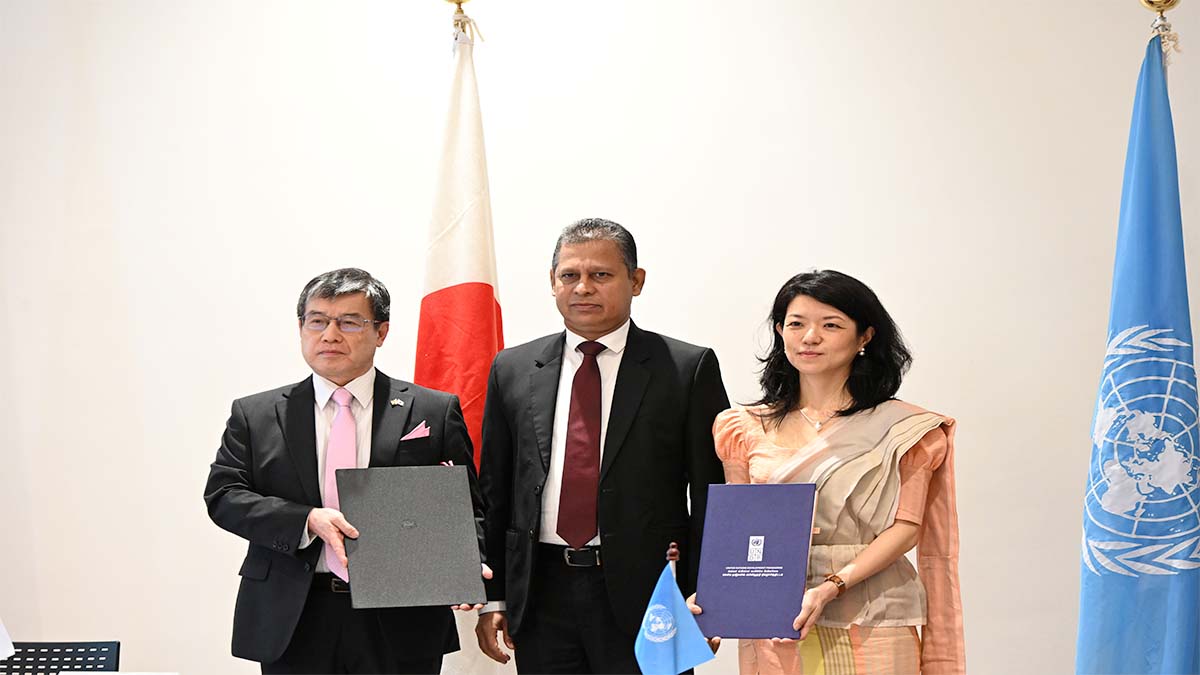
New project will support thousands affected by Cyclone Ditwah through waste clearance, restored services, and resilient community infrastructure
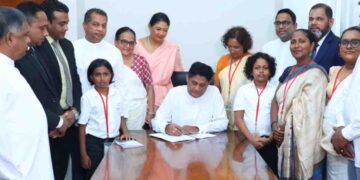
The Government of Japan and the United Nations Development Programme (UNDP), in partnership with the Government of Sri Lanka, today signed a new project to accelerate recovery efforts in communities affected by Cyclone Ditwah.
The initiative, titled “the Project for Disaster Waste Clearance and Rehabilitation of Community Facilities through Participatory Approach in Communities Affected by the Cyclone,” aims to restore access to essential services, address pressing environmental risks, and strengthen community resilience in some of the most affected areas.
The initiative was formally signed by His Excellency Akio ISOMATA, Ambassador of Japan toSri Lanka, andMs. Azusa KUBOTA, Resident Representative of UNDP in Sri Lankaat the signing ceremony attended byMr. S. Alokabandara, Secretary, Ministry of Public Administration, Provincial Councils and Local Government, alongside representatives from other Government institutions and partner organisations.
Following the devastating impacts of Cyclone Ditwah in late November 2025, which affected an estimated 1.7 million people nationwide, the project represents a critical step in bridging humanitarian response and recovery, particularly in the Central Province, one of the hardest-hit regions.
Through an integrated approach, the initiative will support the collection and management of disaster-related recyclable and light waste using electric three-wheelers, while also rehabilitating multi-purpose community facilities that provide essential services such as healthcare, education, childcare, and social support.
The project is expected to directly benefit approximately 228,500 people, while an additional 700,000 community members will benefit indirectly through improved access to services and strengthened waste management systems
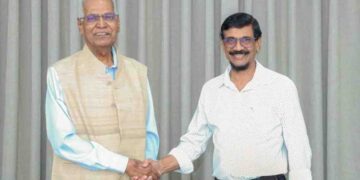
Commenting on the initiative, His Excellency Akio ISOMATA, Ambassador of Japan to Sri Lanka, stated, “A whole-of-nation approach, involving all sectors of society, is essential to effective disaster risk reduction and management. This project aims to support recovery through a participatory and sustainable approach, thereby strengthening community resilience. By encouraging local communities to participate in the implementation of the project in such a way to empower themselves, we can strengthen social cohesion and enhance resilience to disaster. Guided by the concept of ‘Build Back Better,’Japan will continue to work closely with Sri Lanka in strengthening its preparedness, response, and recovery capacities to help Sri Lanka become even more resilient to future disasters. The government and people of Japan will continue to stand alongside the people of Sri Lanka as its steadfast friend and partner in support of the country’s journey on the path for sustainable development and resilient society.”
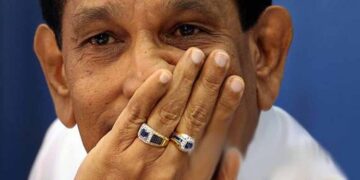
Highlighting the Government of Sri Lanka’s recovery efforts, Hon.Dr. A.H.M.H.Abayarathna, Minister of Public Administration, Provincial Councils and Local Government noted, “This project marks an important milestone in our national recovery efforts following Cyclone Ditwah. By restoring critical community infrastructure and improving waste management systems, we are ensuring that affected communities can regain access to essential services and rebuild their lives with dignity. The Government of Sri Lanka deeply values this partnership as we work together to strengthen resilience and promote inclusive recovery.”
Adding to UNDP’s leadership in this sector, Ms. Azusa KUBOTA, Resident Representative of UNDP in Sri Lanka highlighted, “Recovery is not merely about rebuilding what was lost. Rather, it is about building forward better. Through this initiative, UNDP will be working with communities to restore critical services and further strengthen resilience to future shocks. Our partnership with the Government of Sri Lanka and the Government of Japan reflects a shared commitment to inclusive, sustainable recovery that leaves no one behind.”
The project will focus on the Central Province, including Kandy, Matale, and Nuwara Eliya districts, areas that experienced significant damage to infrastructure, disruption of services, and accumulation of disaster debris.
In addition to addressing immediate recovery needs, the initiative integrates livelihood opportunities through community-based waste collection and facility rehabilitation, with a particular emphasis on engaging women and vulnerable groups.
The project also contributes to Sri Lanka’s broader efforts to strengthen climate resilience, enhance waste management systems, and support sustainable, inclusive development pathways in line with national priorities.