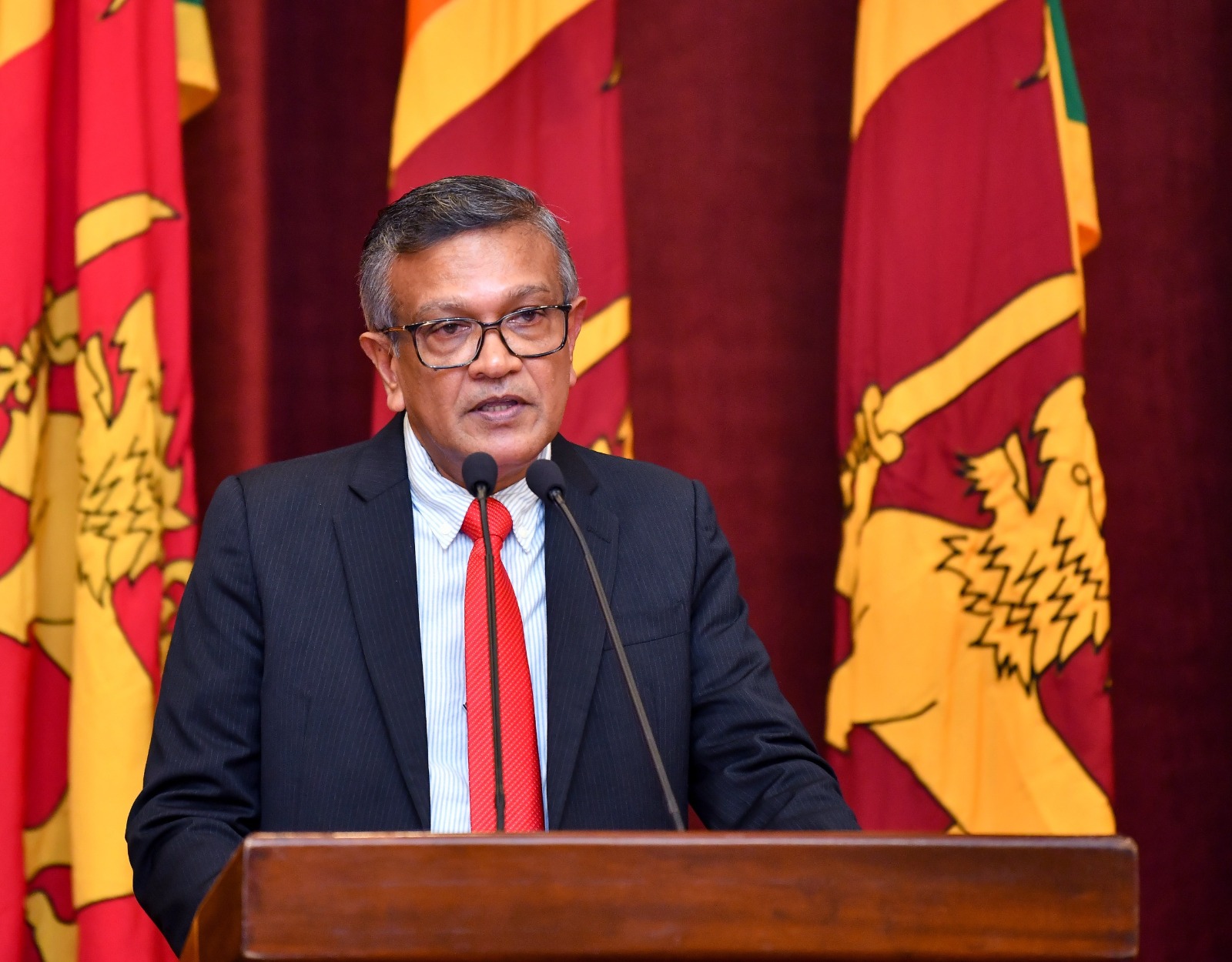

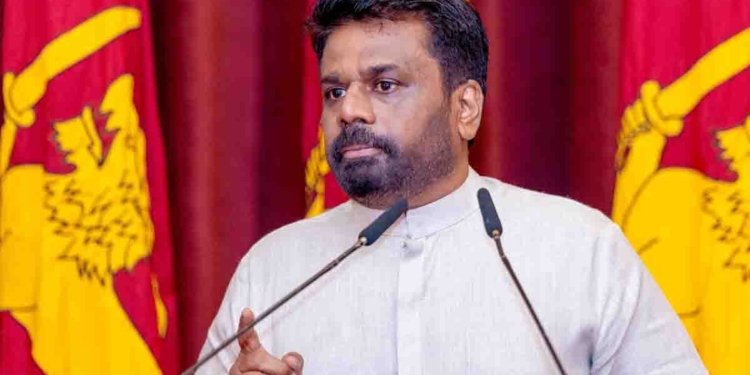
President Anura Kumara Dissanayake emphasized that enacting laws and establishing institutions alone will not ensure justice for citizens unless those entrusted with implementing them do so effectively. He further remarked that power generated by the people must be used in service of the public, failing which it becomes meaningless.
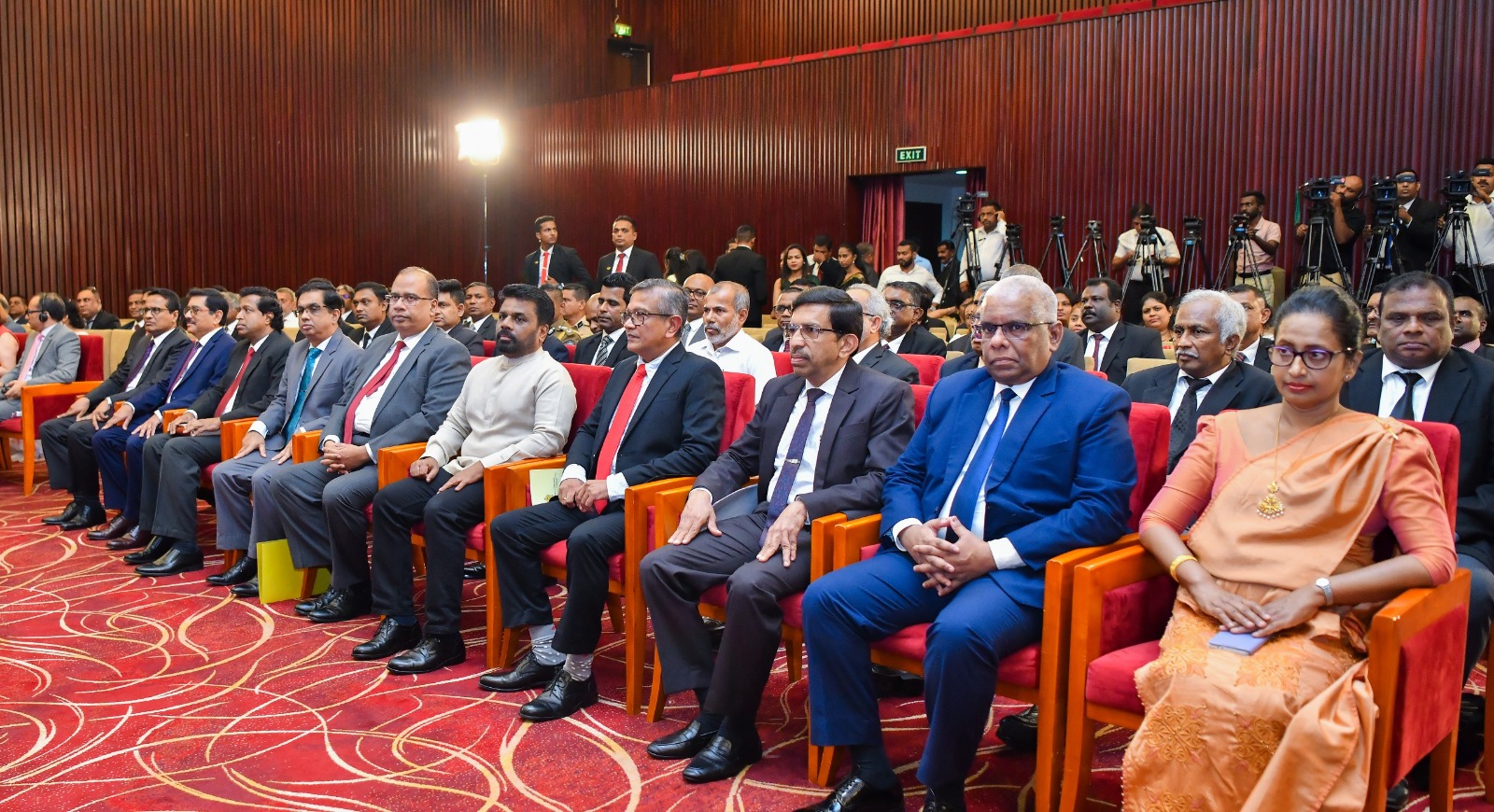
These observations were made during the “National Celebration of International Anti-Corruption Day 2024,” held today (December 9) at the Bandaranaike Memorial International Conference Hall. This year’s celebration adopts the theme, “Let’s Unite the Youth for a Better Tomorrow.”
The President expressed concern over Sri Lanka’s persistent struggle with bribery and corruption. He noted that despite having sufficient laws and institutions to address these issues, self-reflection is necessary to determine whether these mechanisms have been effectively utilized.
Highlighting the gravity of the situation, the President described corruption and bribery as a national tragedy. He questioned the relevance of celebrating International Anti-Corruption Day, given Sri Lanka’s significant drop in the global corruption perception index—from 79th place in 2013 to 115th in 2023.
President Dissanayake asserted that if corruption and fraud cannot be minimized in the coming year, the celebration of such events would lose its significance. He referenced concerning statistics: in 2021, the Bribery and Corruption Commission filed 69 cases but withdrew 40 of them. Similarly, in 2022, out of 89 cases filed, 45 were withdrawn. The reasons for these withdrawals and the lack of investigating officers willing to testify should be transparently disclosed to the public, he insisted.
The President also highlighted public skepticism regarding the impartiality of the legal system, likening it to a spider’s web—where small offenders are trapped while the powerful escape. He revealed that in a single year, only minor officials, such as two police constables, a Grama Niladhari, and a clerk, were convicted for bribery and corruption.
To rebuild the nation, President Dissanayake underscored the necessity of restoring the state system. He stated that public trust in law enforcement and judicial institutions has eroded, and delaying justice is tantamount to denying it.
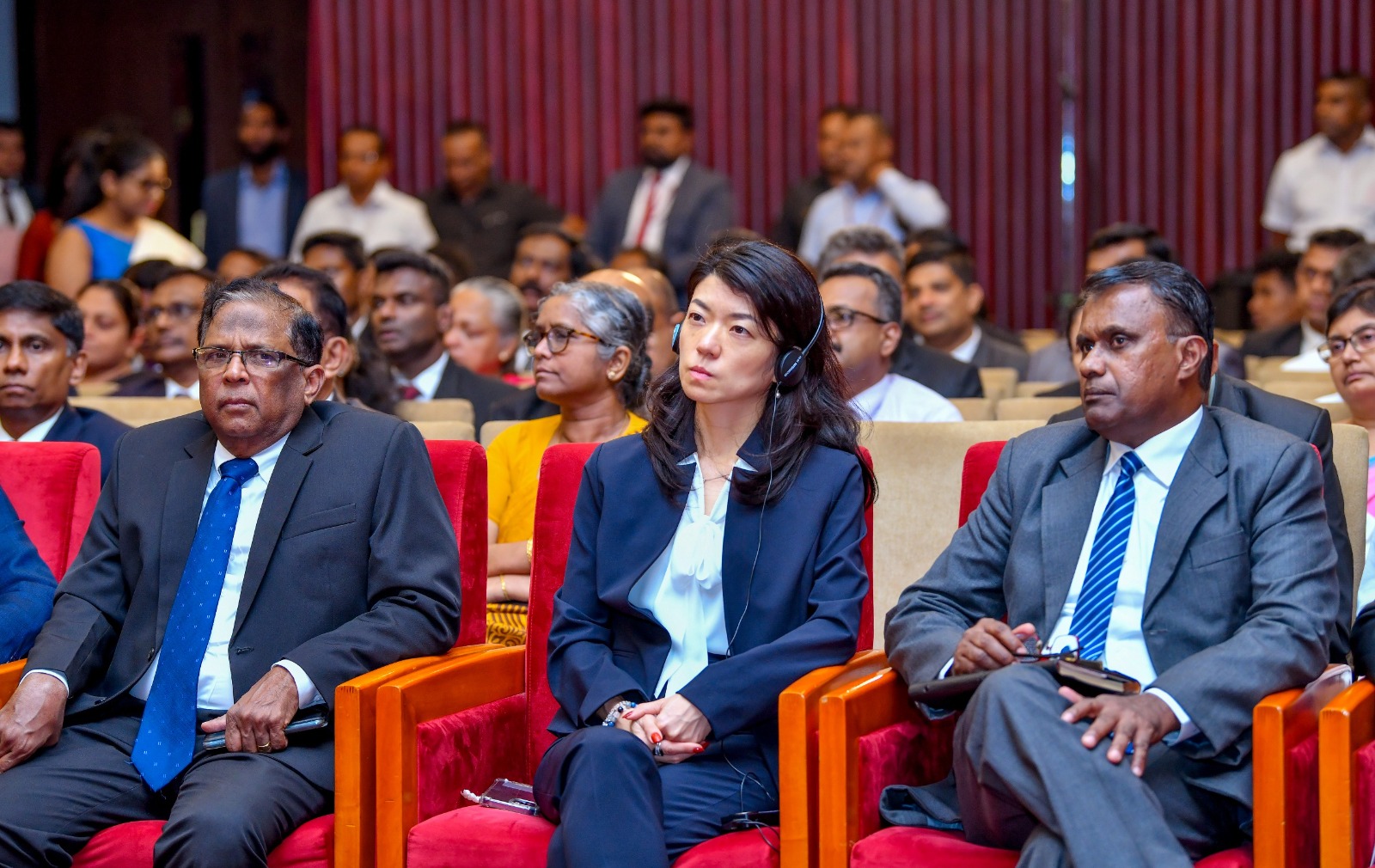
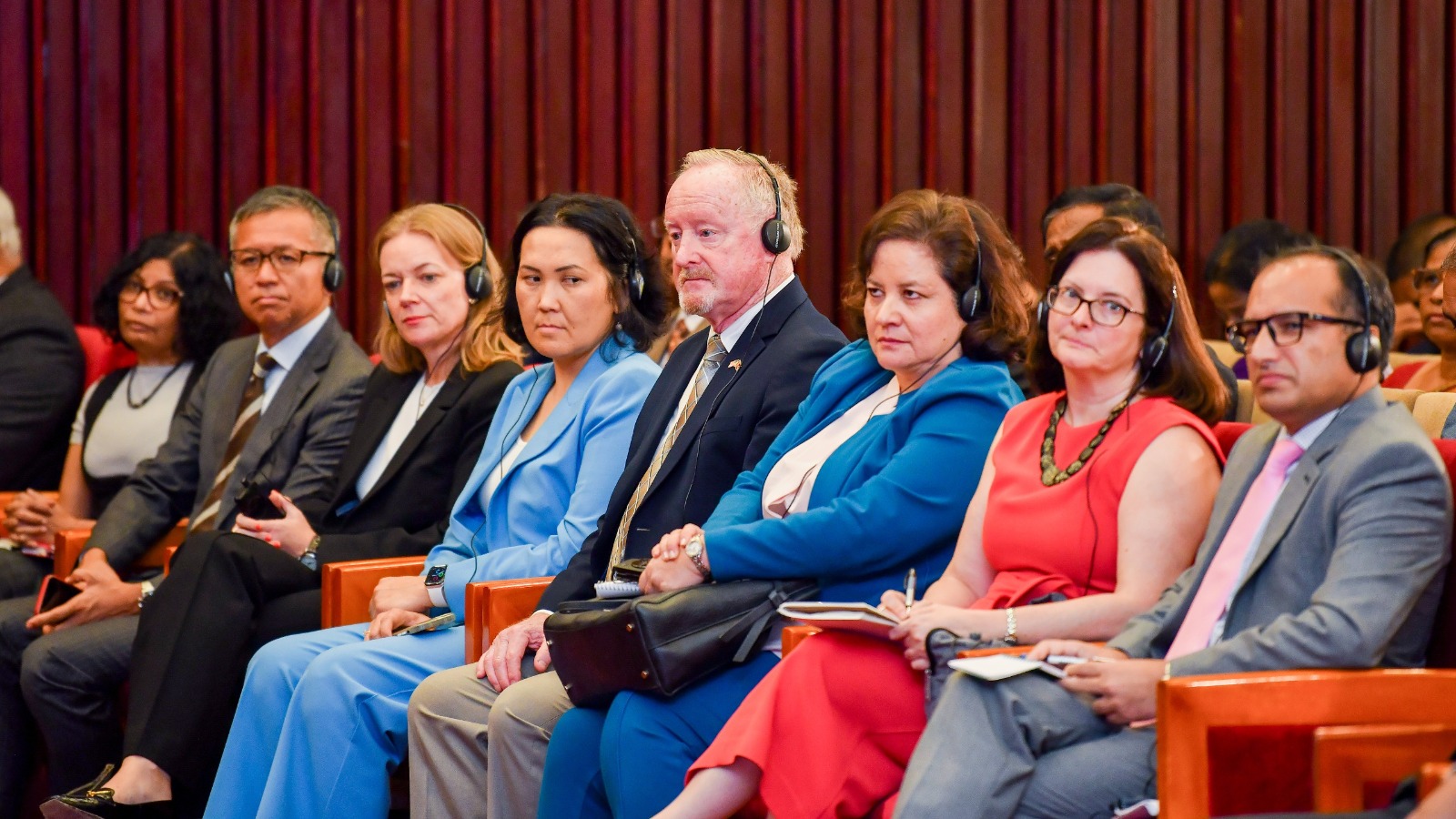
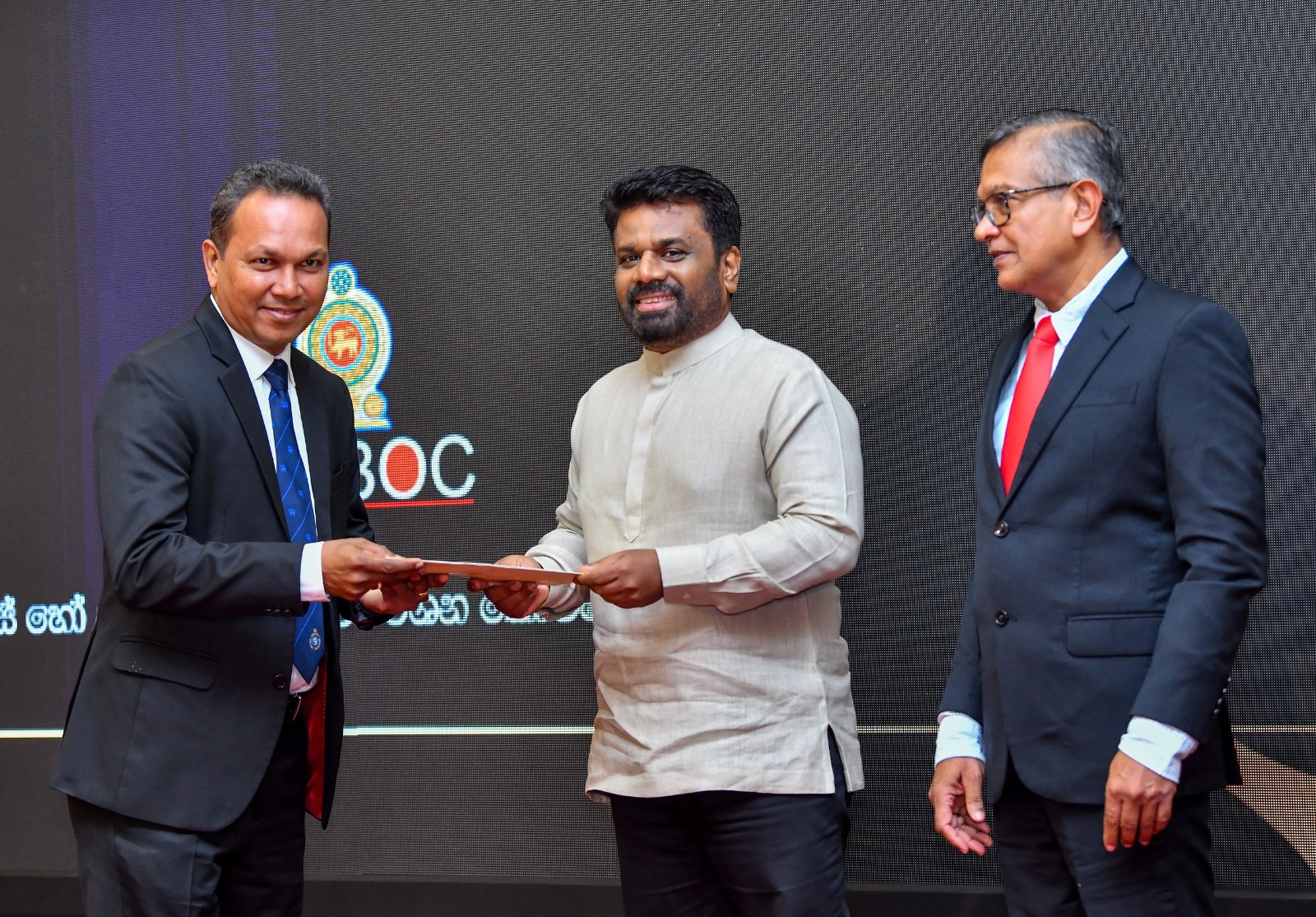
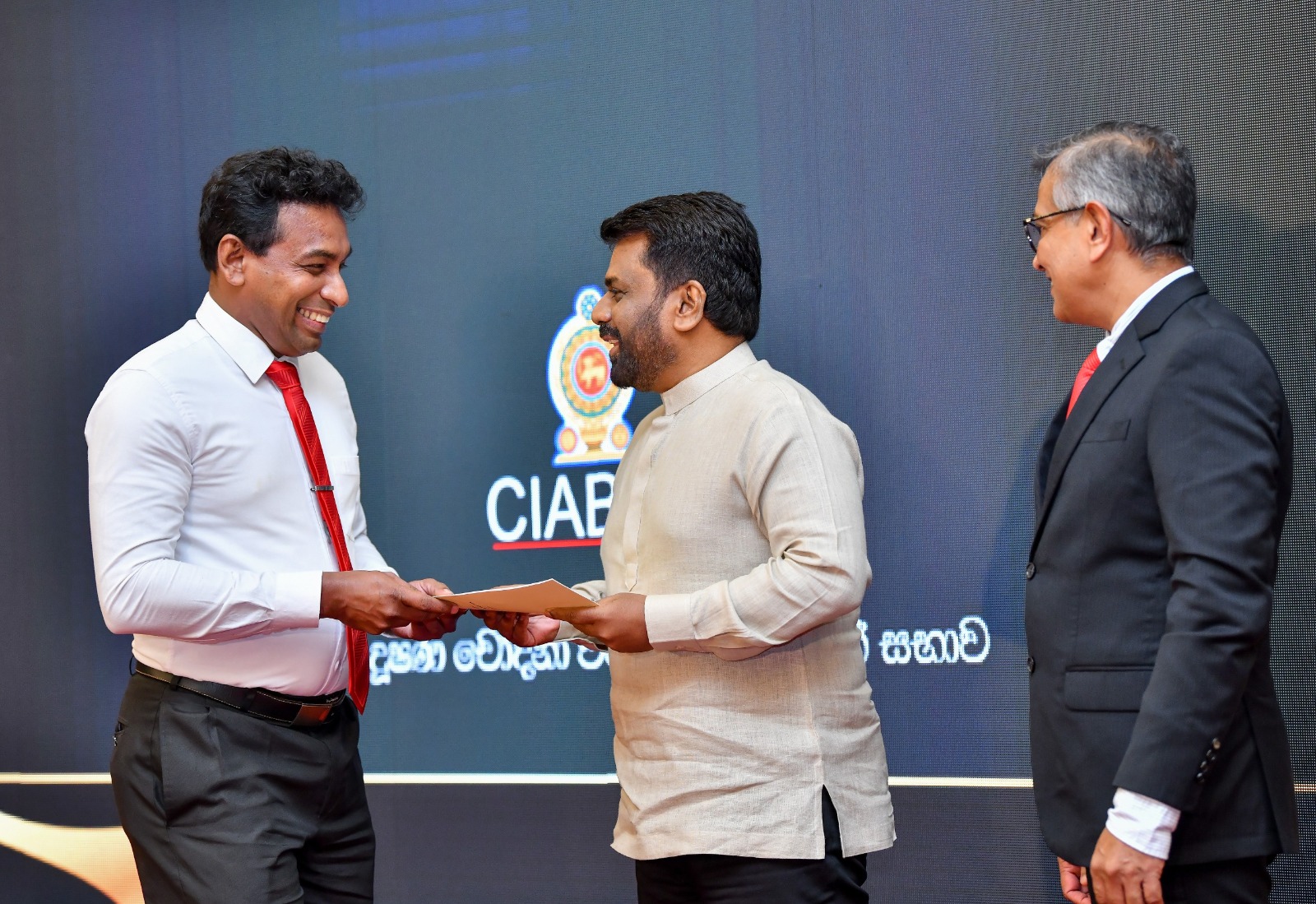
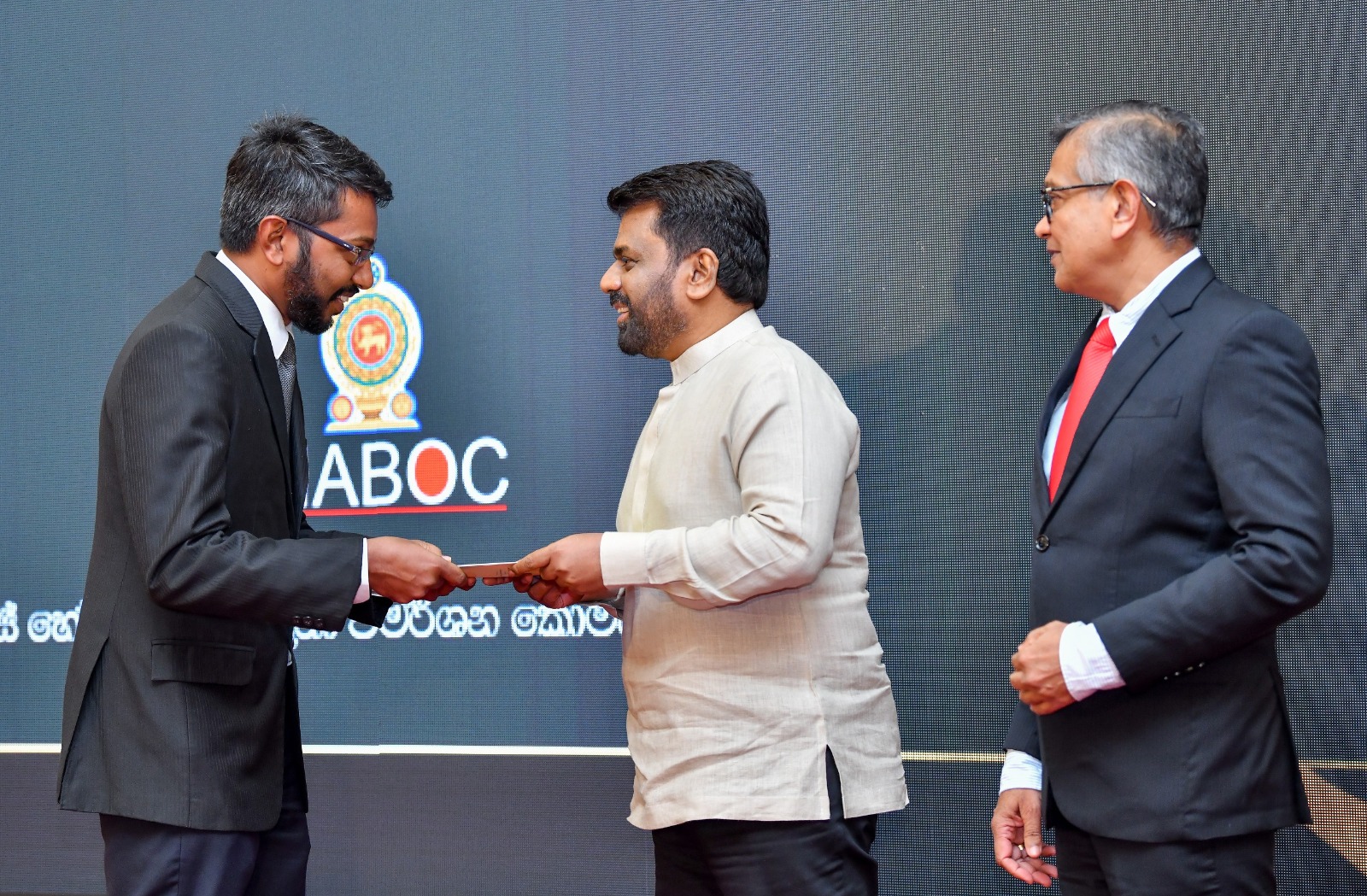
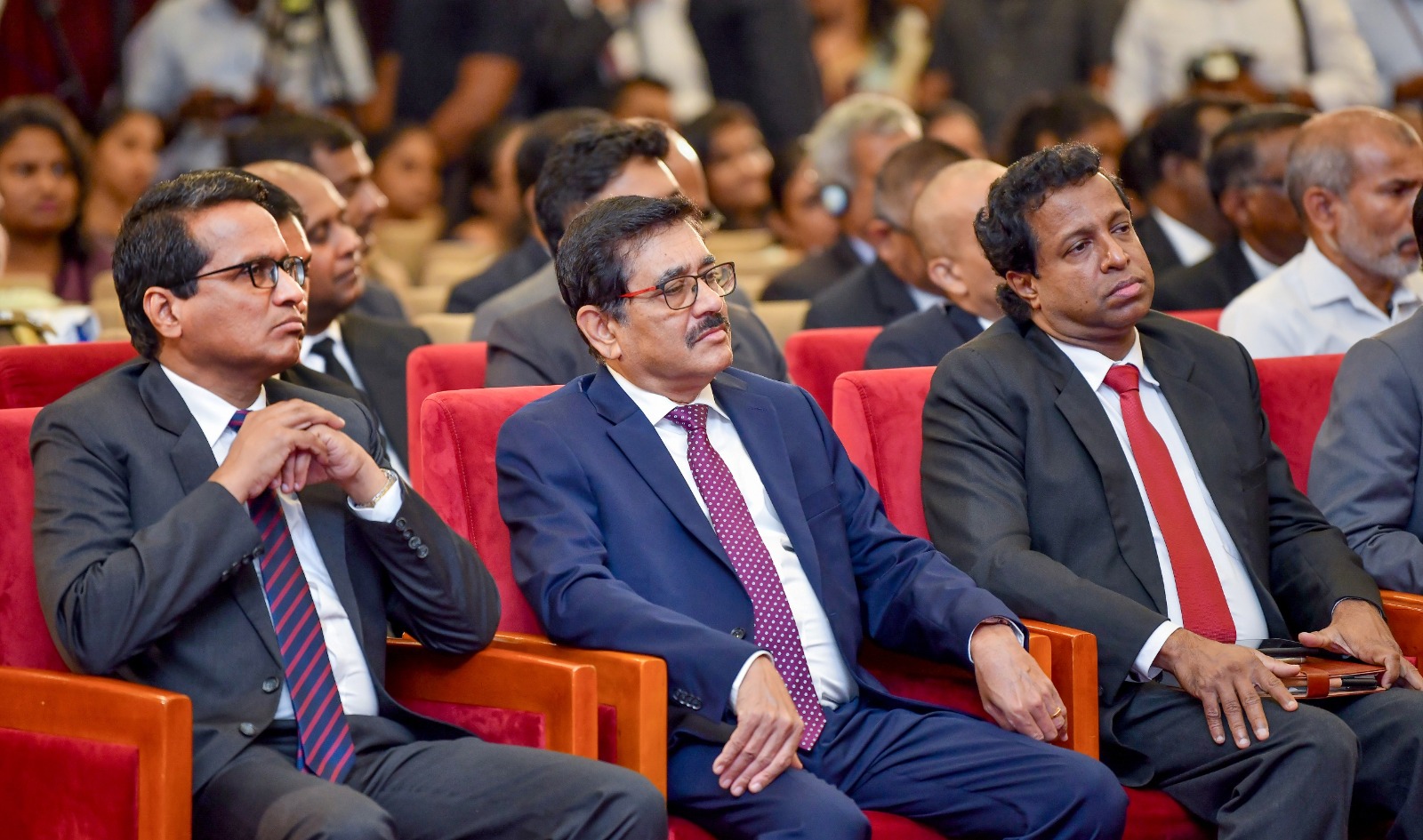
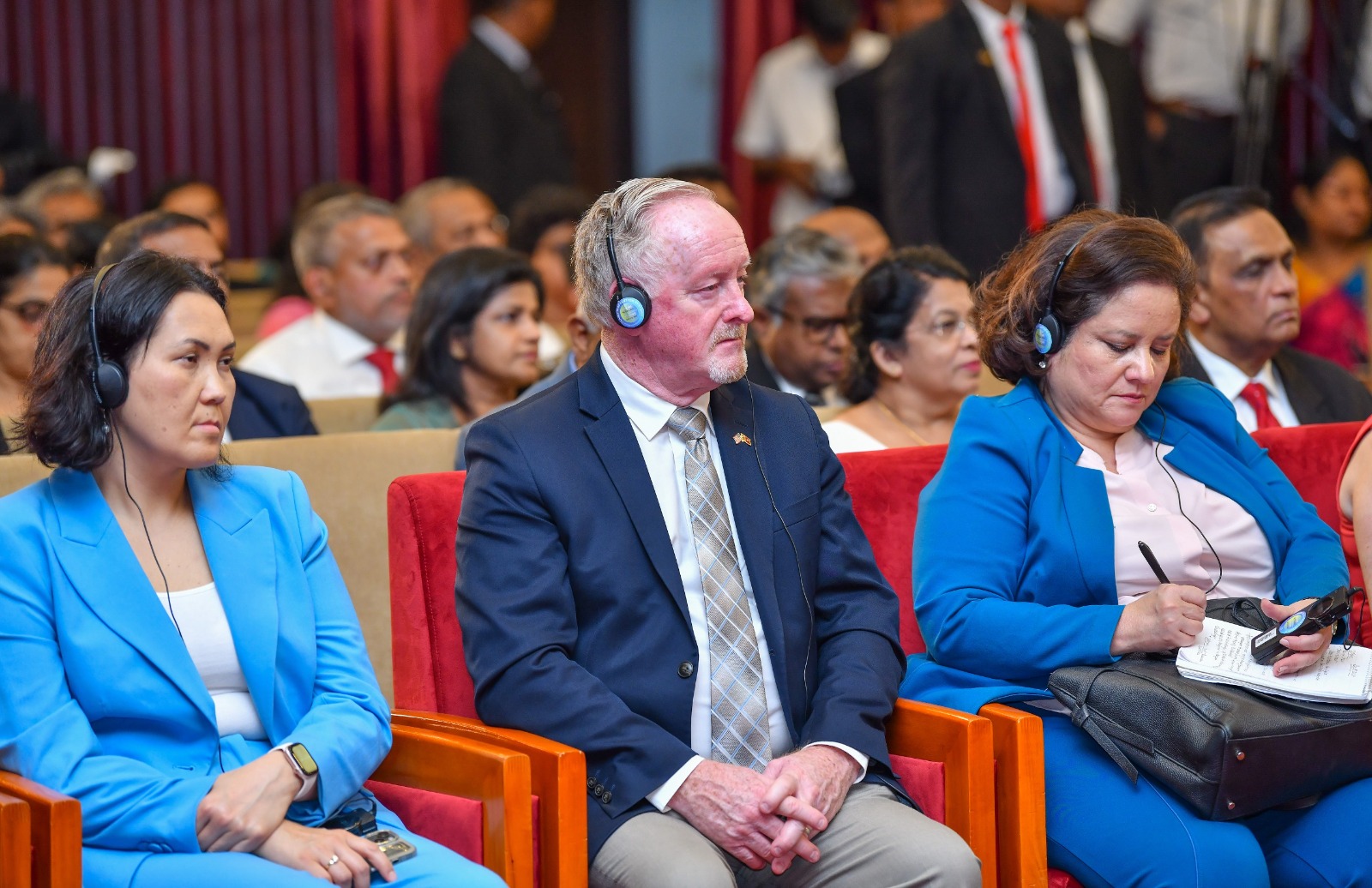
He called for collective dedication to transform Sri Lanka into a state with minimal bribery and corruption, emphasizing that achieving this would fulfill the aspirations of its citizens.The event also recognized efforts by the United Nations Development Programme (UNDP), which, through the JURE project, has trained over 1,000 government officials to serve as ethical officers. The President formally appointed 15 of these officials during the ceremony.The event was attended by several dignitaries, including Secretary to the President Dr. Nandika Sanath Kumanayake, Secretary to the Prime Minister G.P. Saputhanthri, Secretary to the Ministry of Public Security Ravi Seneviratne, Governor of the Central Bank Dr. Nandalal Weerasinghe, Acting Inspector General of Police Priyantha Weerasuriya, Chairman of the Commission to Investigate Allegations of Bribery or Corruption Justice W. M. N. P. Iddawela, Supreme Court Judge President’s Counsel Yasantha Kodagoda, as well as foreign ambassadors and officials of the Bribery Commission.