The Leader of the Opposition, Mr. Sajith Premadasa, stated that Sri Lanka’s existing disaster management mechanism and plan are ineffective, flawed, and outdated, and therefore must be changed. He emphasized that a modern disaster management framework should be introduced, lessons must be learned from this tragedy, and the country must move forward. He further noted that public confidence in the current disaster management system has completely eroded.
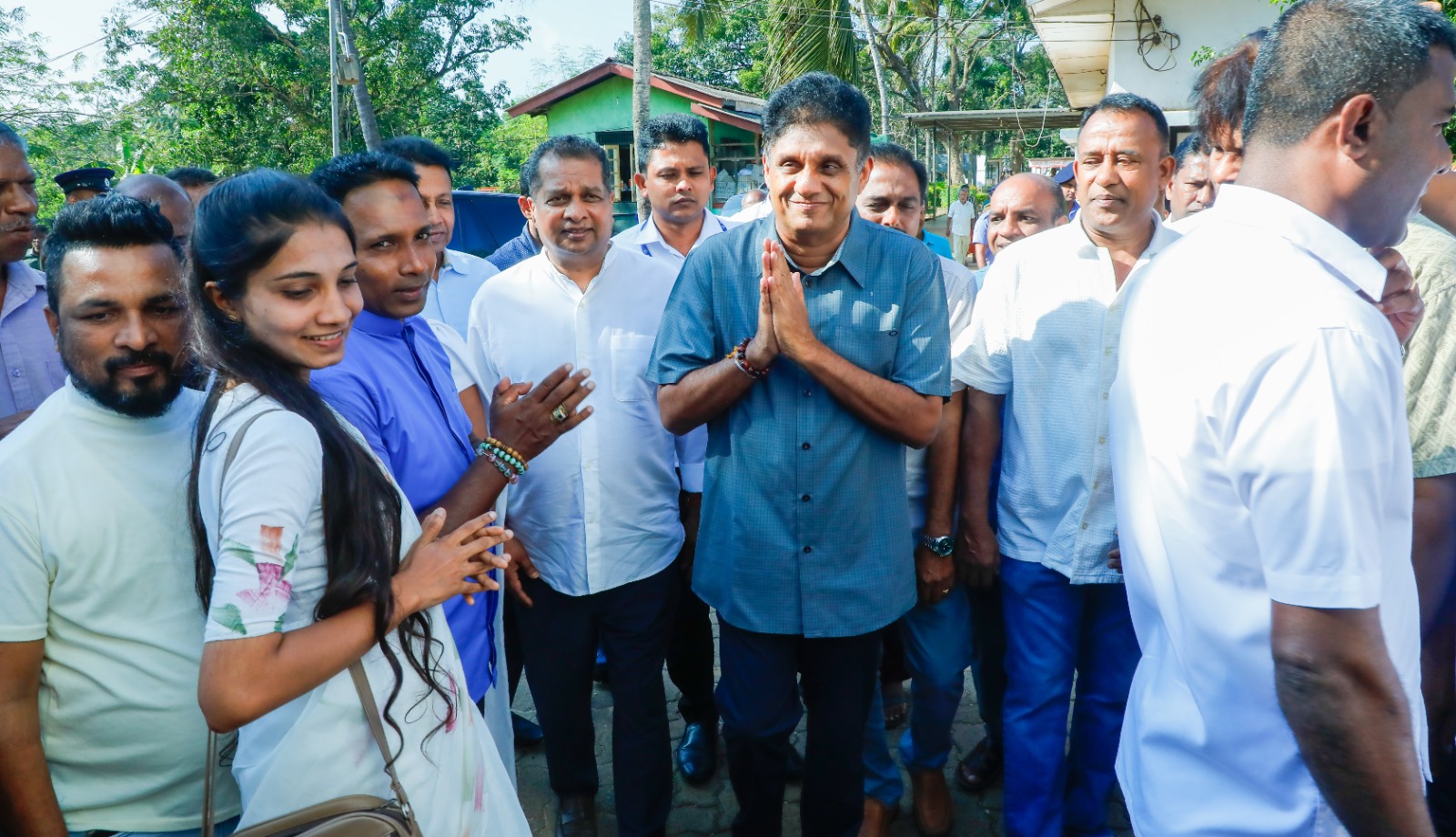
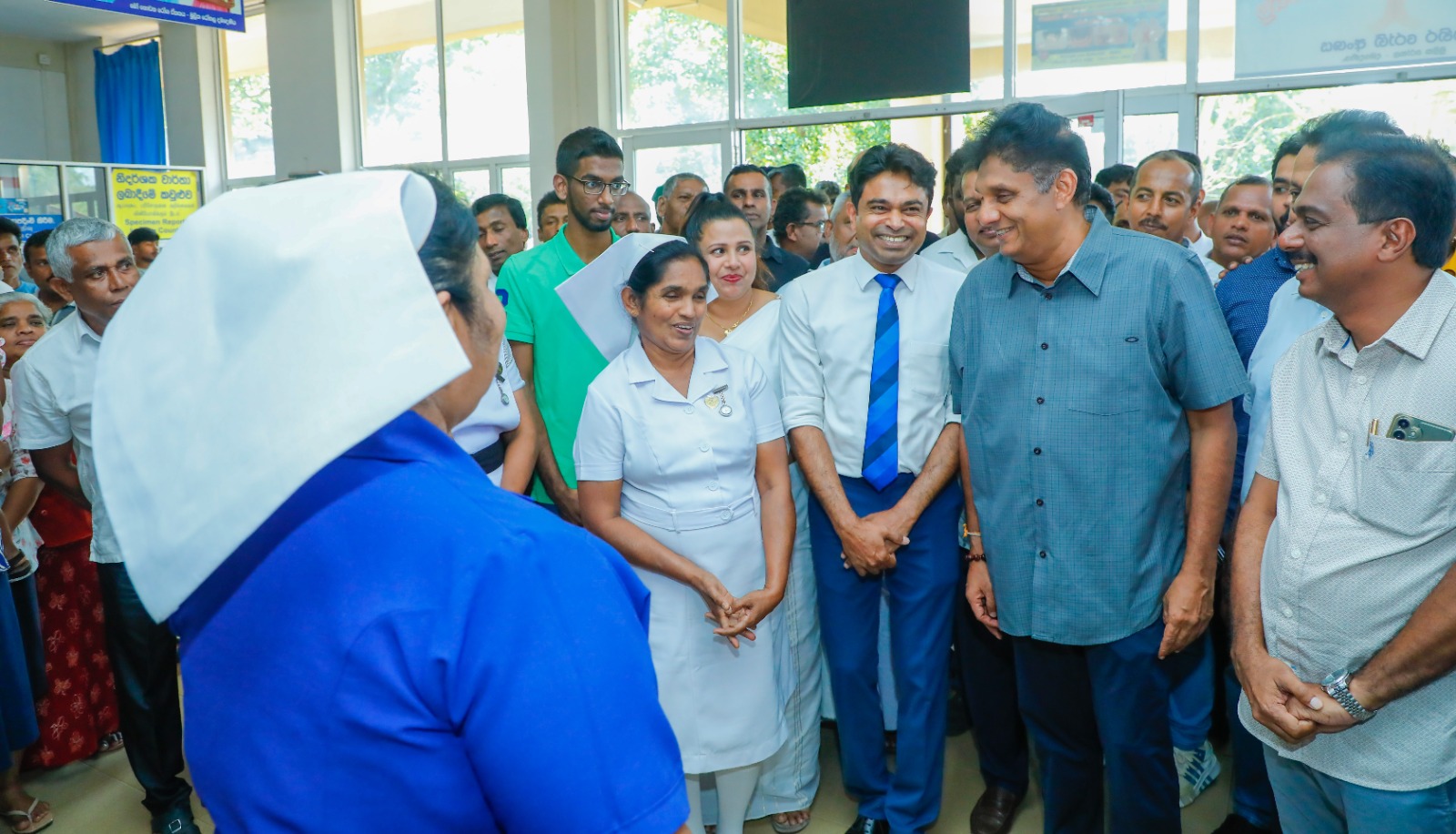
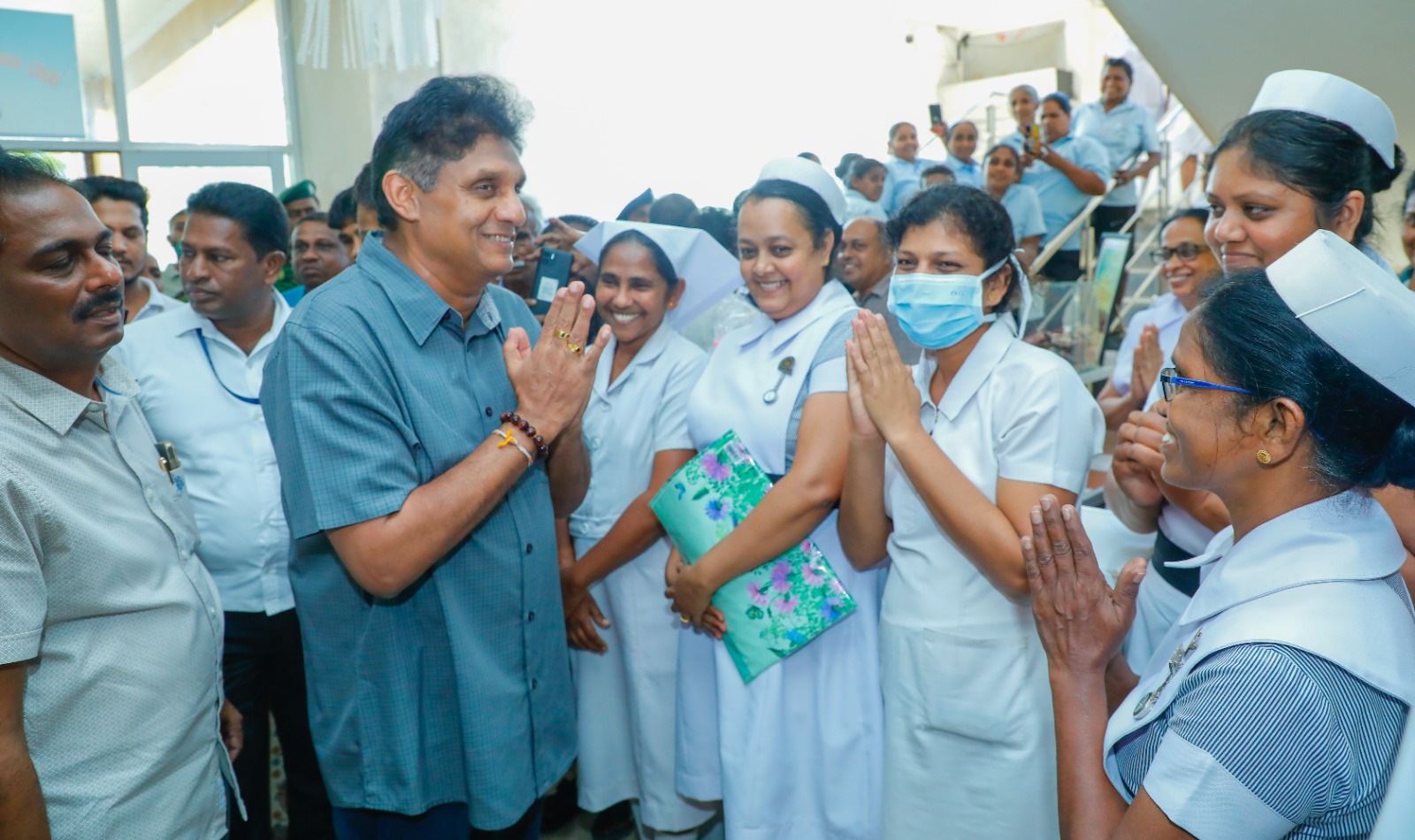
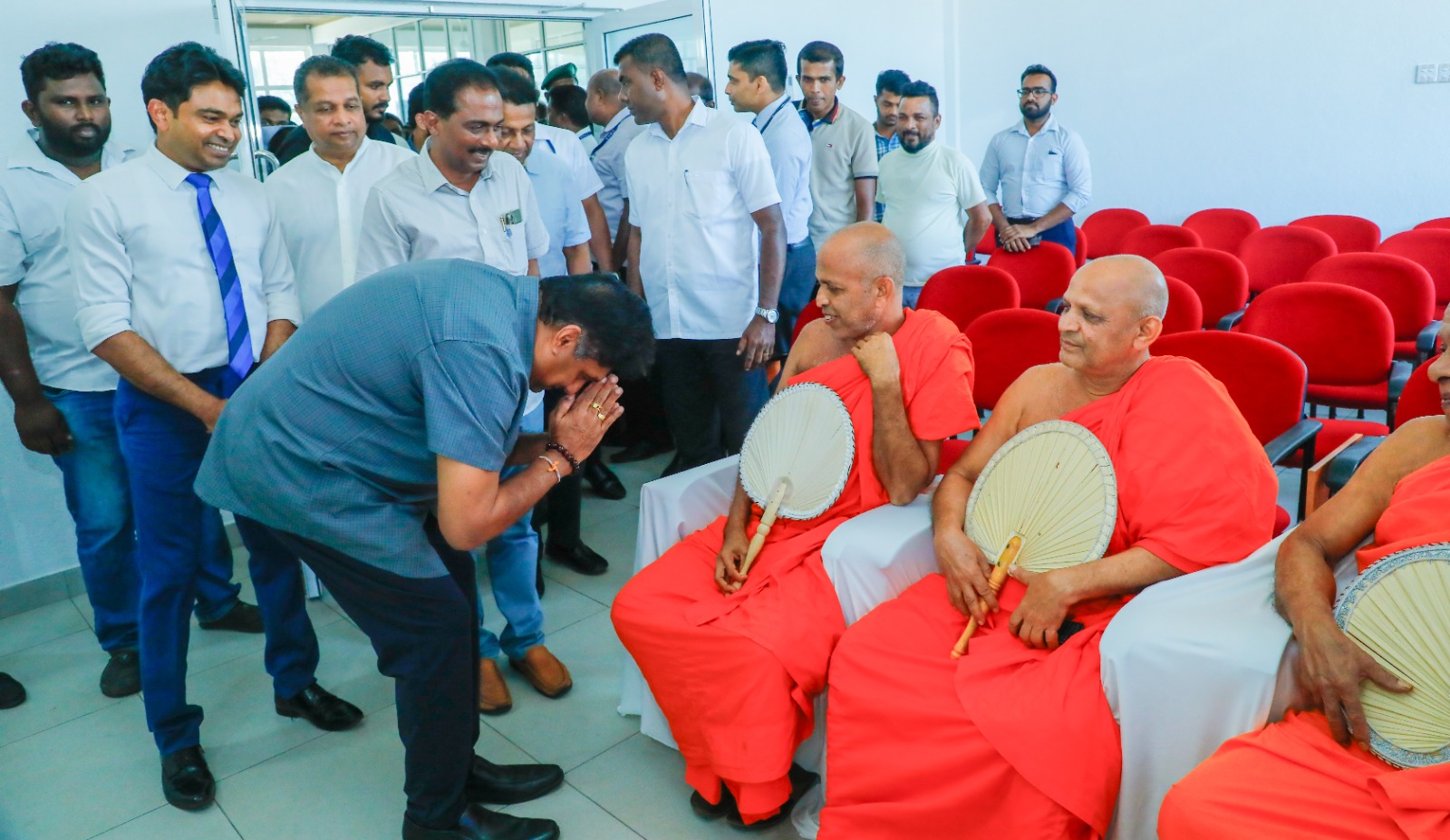
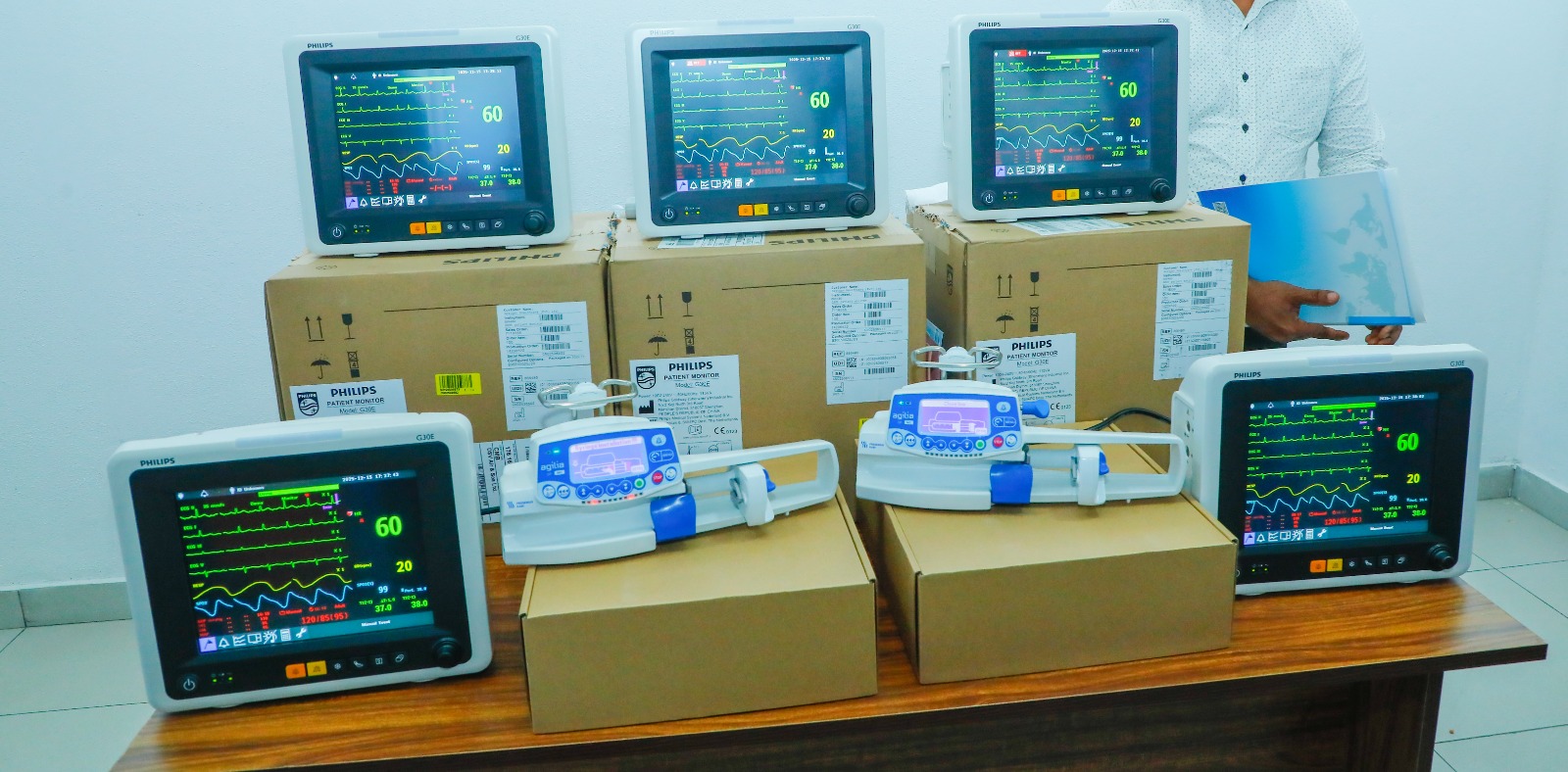
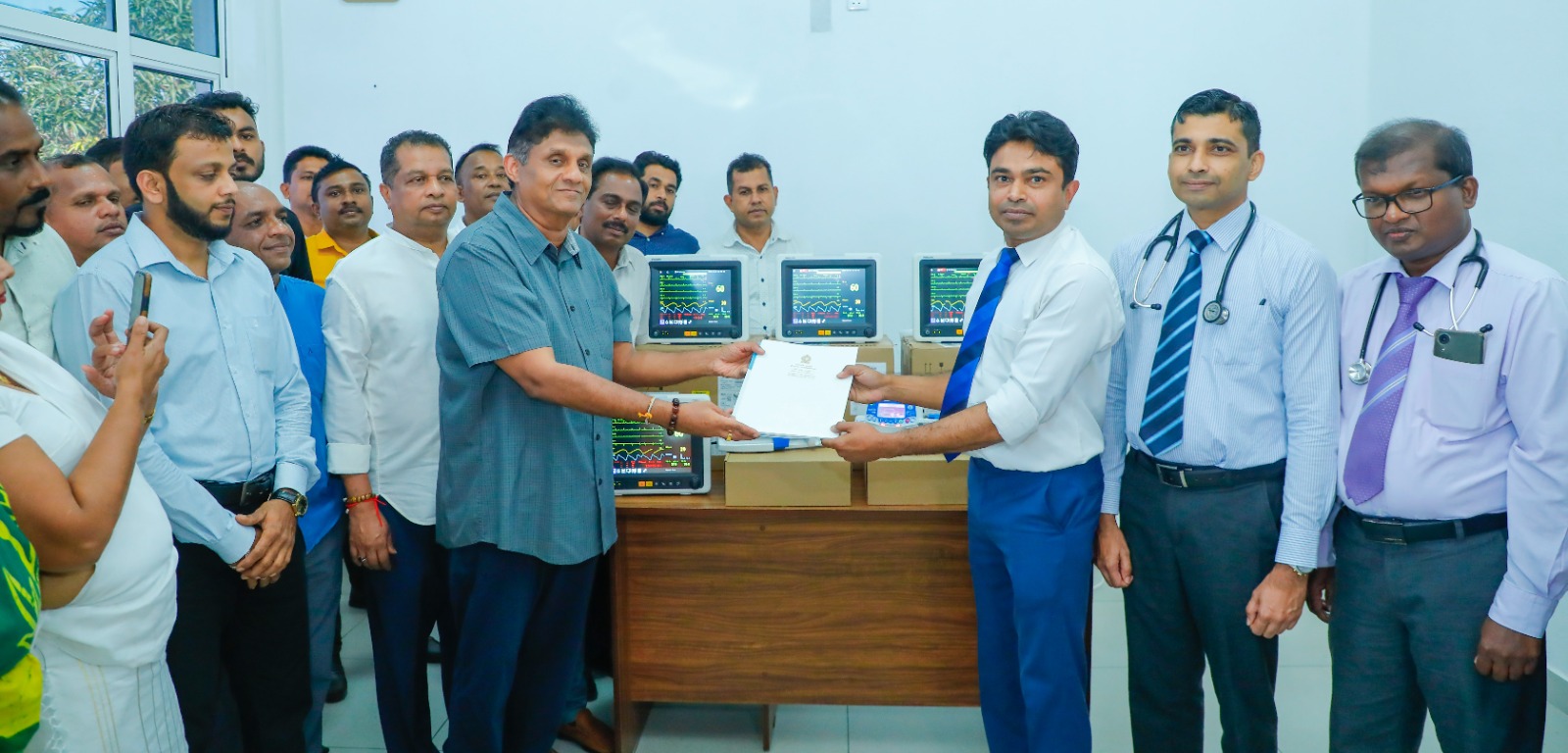
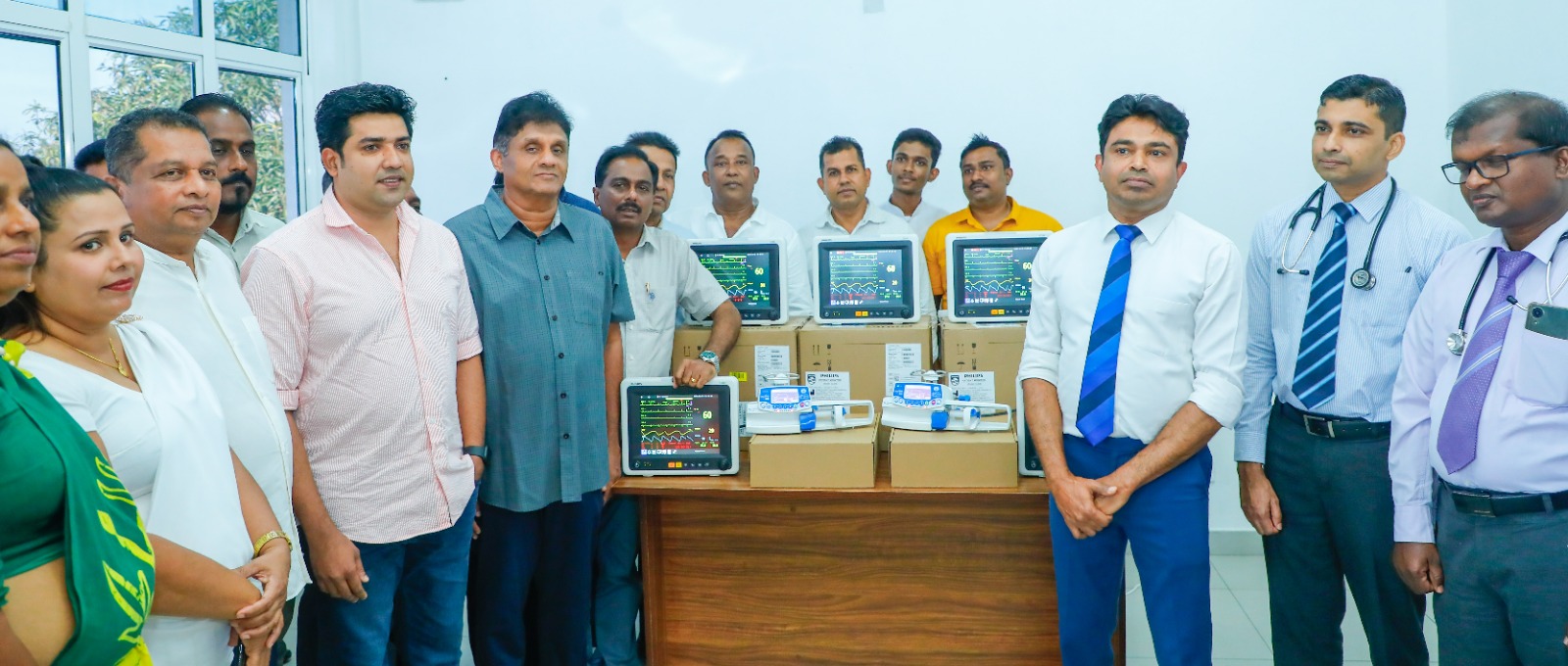
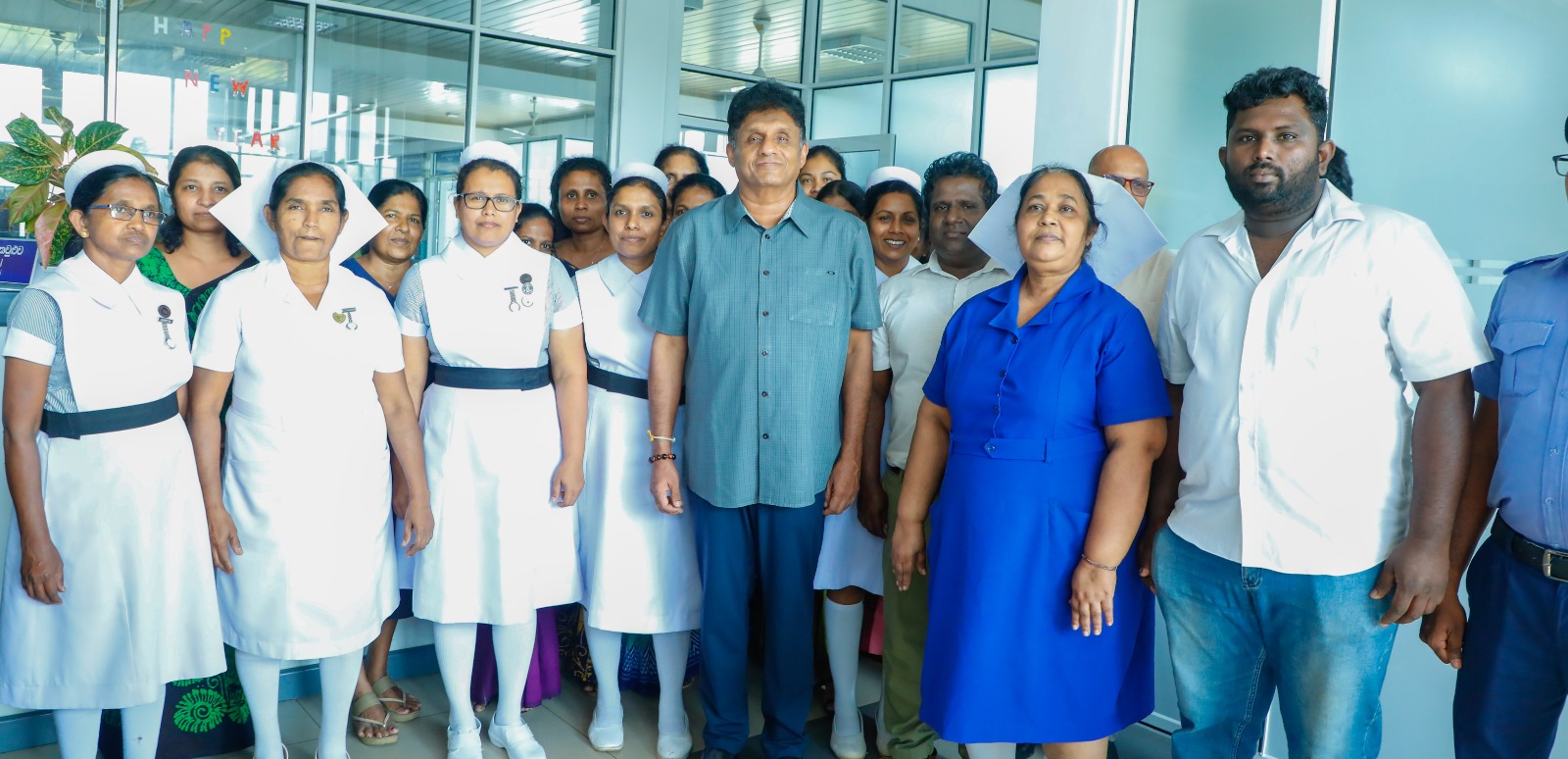
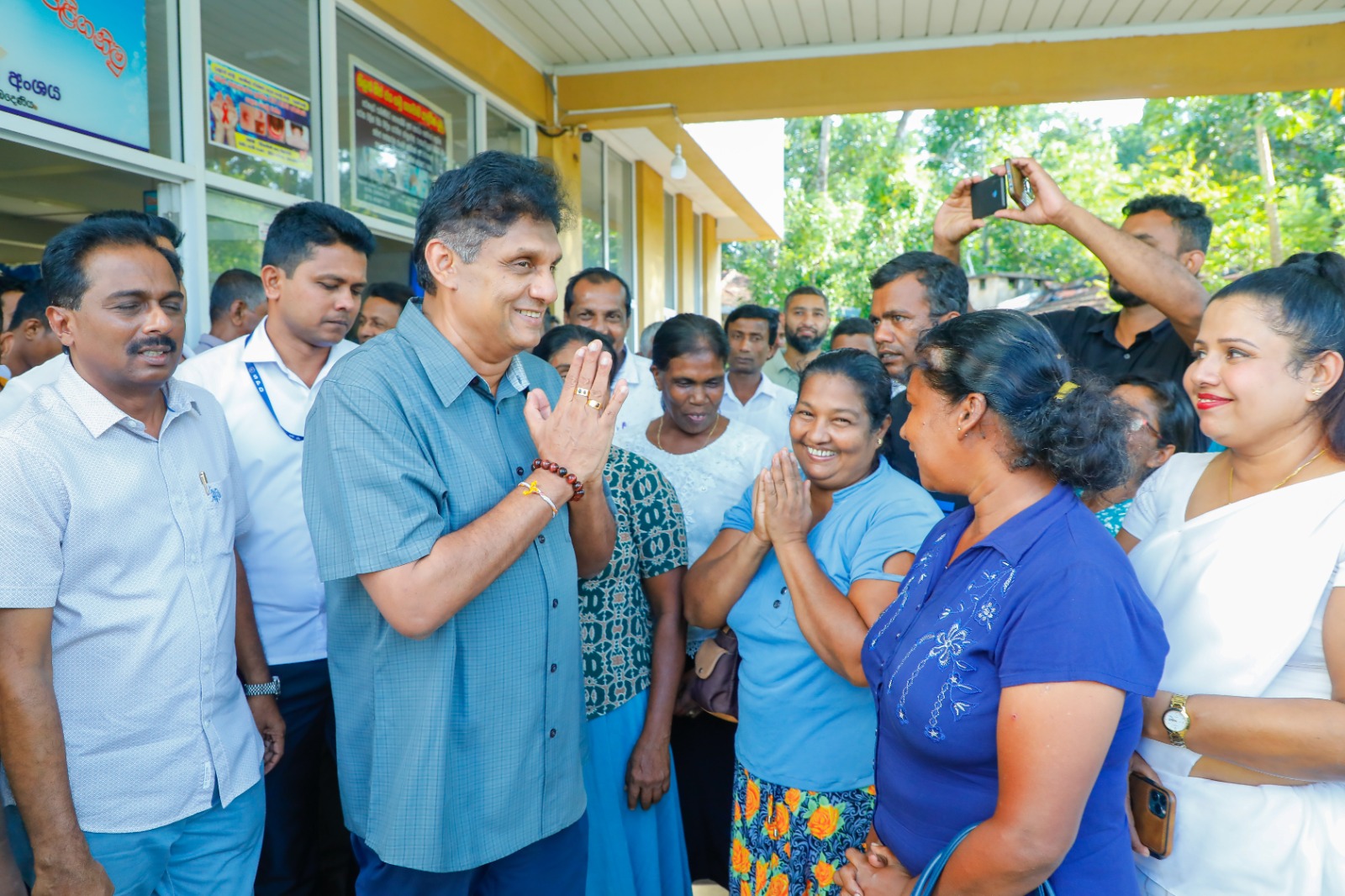
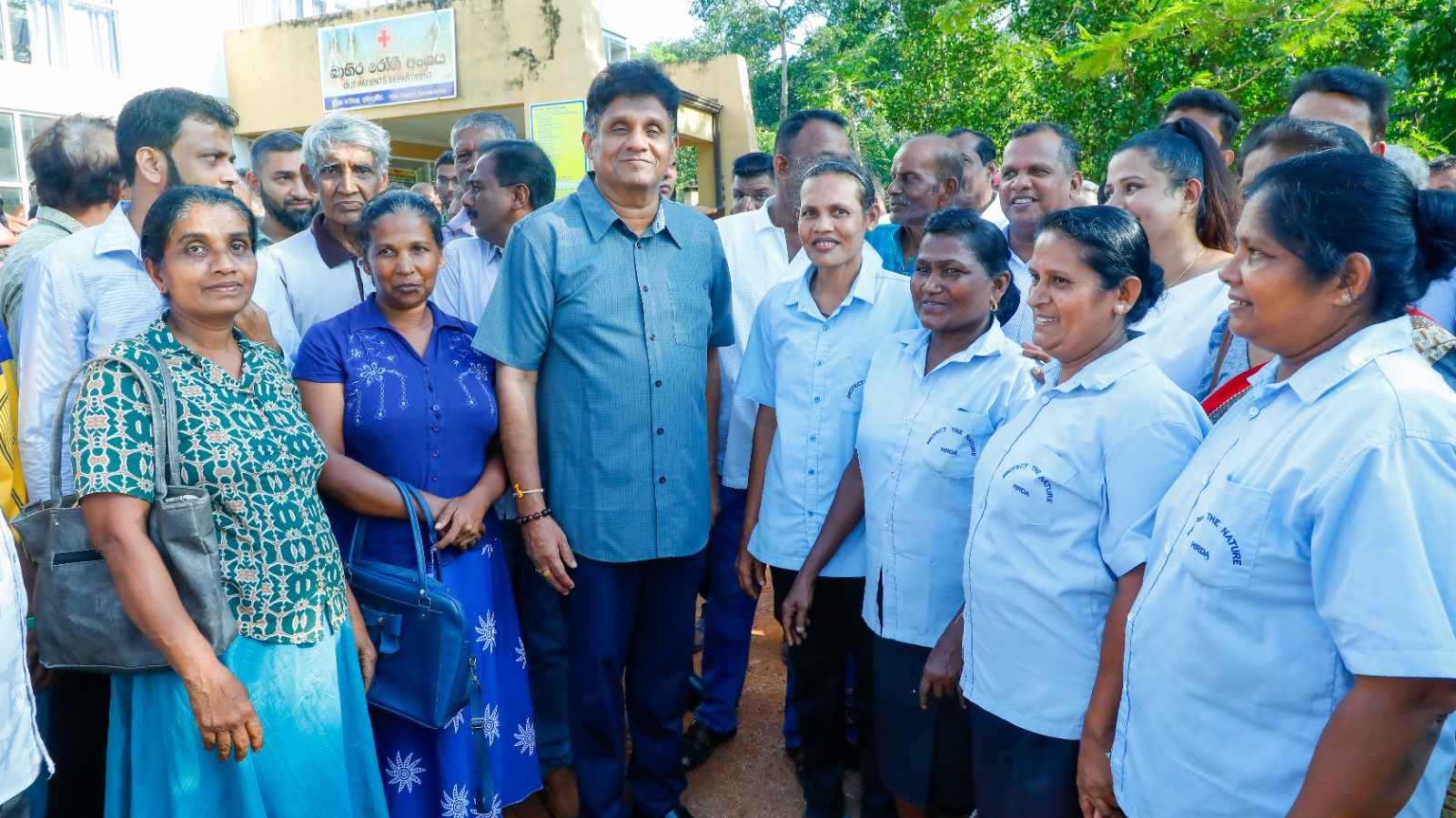
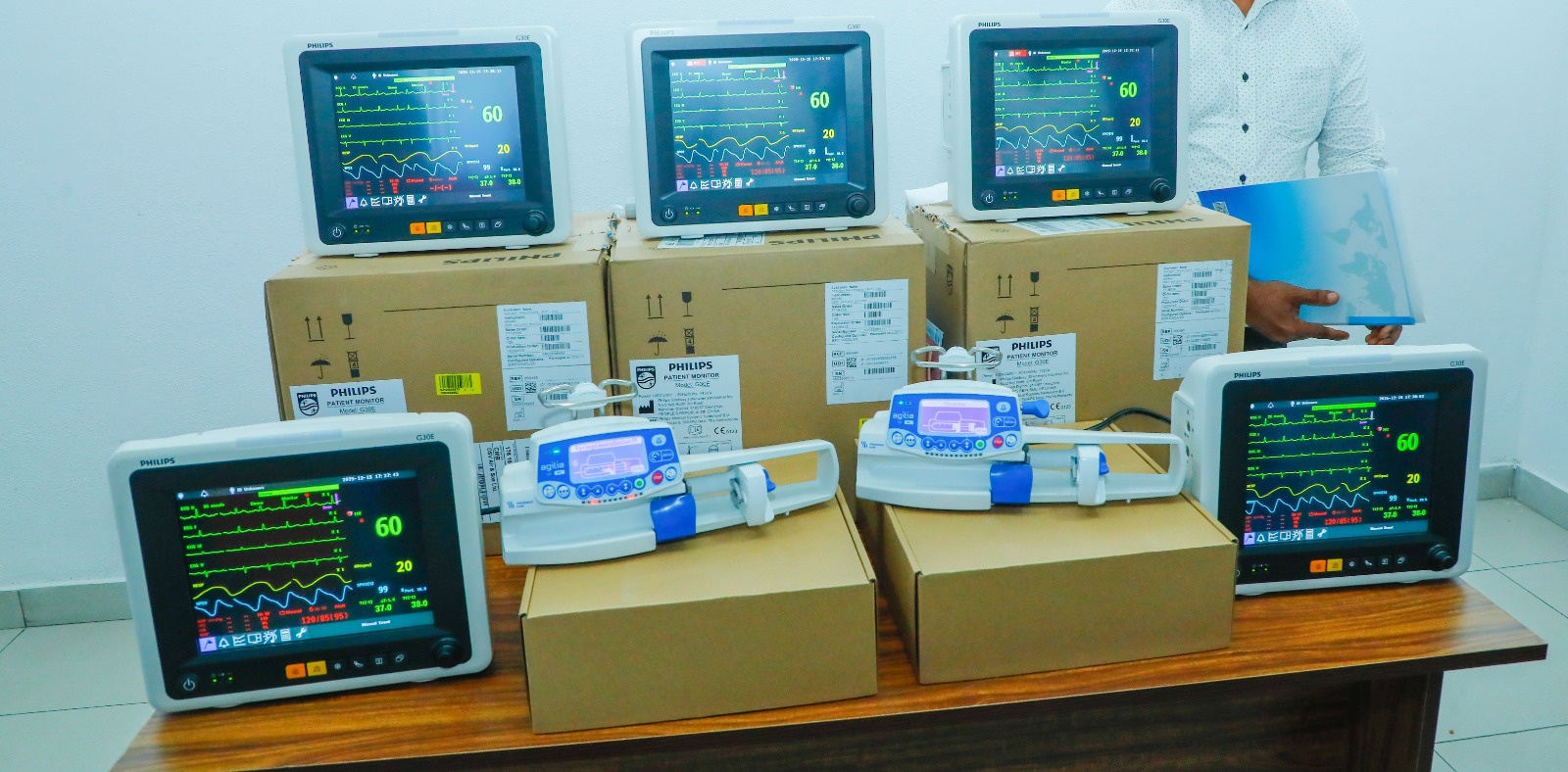
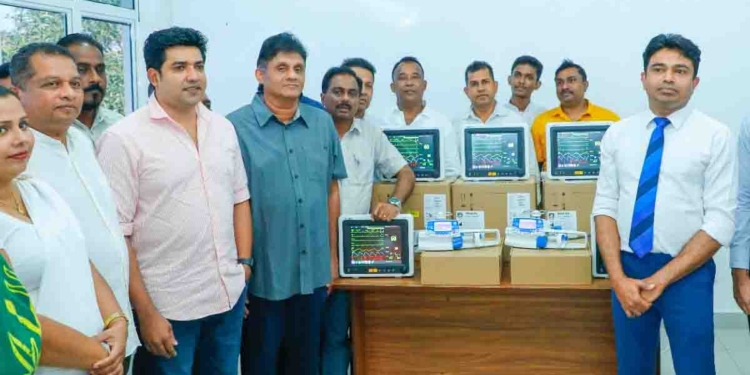
Mr. Premadasa made these remarks while attending an event organized under the “Husma” program implemented by the Samagi Jana Balawegaya (SJB), during which hospital equipment worth Rs. 2.9 million was donated to the Dambadeniya Hospital. The donation included five patient monitors and two syringe pumps.
He pointed out that in the aftermath of this disaster, the livelihoods of hundreds of thousands of people have collapsed, lives have been lost, homes destroyed, and the overall fabric of public life severely damaged. From young children to the youth, people are facing a grave and tragic situation. At such a critical moment, he stressed that meaningful changes must be made to the disaster management mechanism, starting from accurate reporting of adverse weather conditions to the implementation of efficient preparedness measures.
The Opposition Leader further stated that Sri Lanka still lacks essential modern technological equipment such as Doppler radar systems. He recalled that during the tsunami, tens of thousands of lives were lost, and despite early warnings being issued for nearly two weeks, responsible authorities failed to act. As a result, the human and fundamental rights of hundreds of thousands of people were violated, and their right to life was denied.
He warned that if lessons are not learned from this tragedy and existing shortcomings and mistakes are not corrected, the country will be unable to face the growing challenges posed by environmental degradation, damage to ecosystems, and climate and weather-related changes. This failure could lead to the loss of many more lives in the future. Therefore, he said, the disaster management mechanism—currently limited to outdated rhetoric—must be reformed, the Disaster Management Act must be amended, and a new legal and institutional framework capable of confronting these natural challenges must be established.
Mr. Premadasa also stressed the need for clear changes in forecasting, preparedness, and communication with the public regarding weather and climate conditions. As public trust in the current system has collapsed, relief assistance must be provided swiftly to affected communities. Instead of offering excuses for delays, immediate relief should be delivered. He noted that multiple sectors—including business, agriculture, and livestock—have been severely affected, supply and demand chains have been disrupted, and urgent solutions and relief measures are essential. Acting swiftly at this time, he emphasized, is the government’s responsibility.
He further stated that the opposition is not merely standing by as spectators but is actively serving the people. He highlighted that strengthening the healthcare and hospital systems is essential, particularly to address post-disaster health issues. Given the extensive research showing the importance of a strong hospital system in such situations, he said the Samagi Jana Balawegaya has taken on this responsibility. Under the Husma program, the party is working to rebuild and strengthen hospital systems in disaster-affected areas, Mr. Premadasa added.