According to foreign media reports, El Niño, a major natural phenomenon associated with rising global temperatures and extreme weather conditions, has officially begun.
The United States National Oceanic and Atmospheric Administration (NOAA) has announced that sea surface temperatures in the central and eastern equatorial Pacific Ocean have increased by 0.5 degrees Celsius above normal levels, surpassing the threshold required for an El Niño event to be declared.
Scientists have indicated that this year’s El Niño has the potential to develop into a very strong, or “severe,” El Niño episode. They have also predicted that it could rank among the strongest El Niño events ever recorded.
Experts warn that, combined with decades of human-induced global warming, this development could contribute to making the coming year—most likely 2027—the warmest year on record.
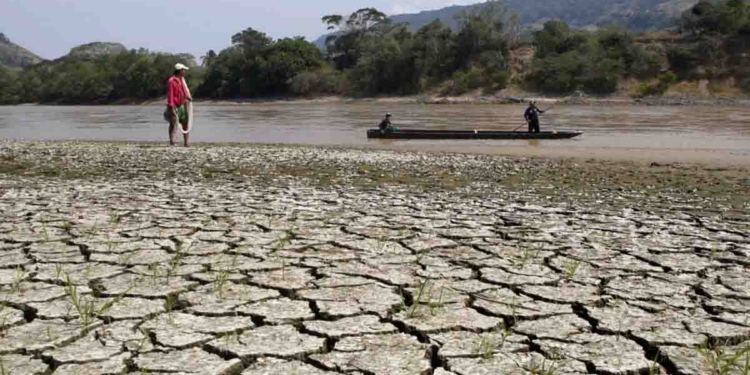
The phenomenon is also expected to bring significant changes to weather patterns across the globe. Scientists note that droughts, heavy rainfall, floods, heat waves, and other adverse conditions affecting agricultural production could become more frequent and severe.
NOAA further stated that changes in wind patterns over the equatorial Pacific region are already being observed, providing clear evidence that the atmosphere is responding to rising ocean temperatures.
As a result, international meteorological organizations have warned that adverse weather events may increase in various parts of the world in the coming months.