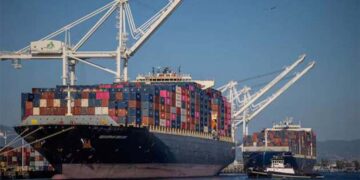

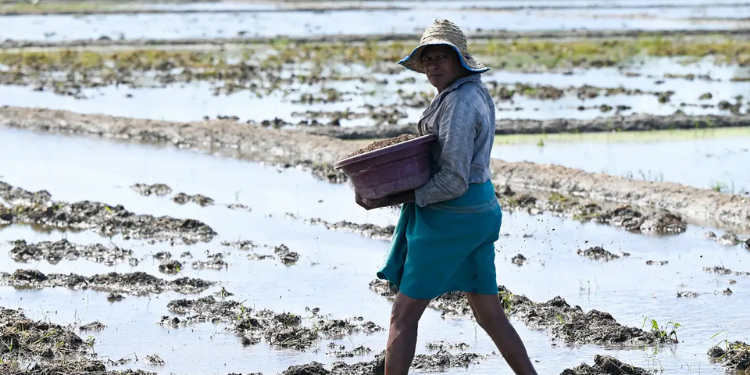
Sri Lanka is facing a critical fertiliser shortage, compounded by disruptions to food and commodity imports following the Gulf conflict and the closure of the Strait of Hormuz.
The situation has led to significant shipment delays and sharp price increases for essential agricultural inputs and food imports.
A report by a UN agency indicates that Sri Lanka could be among the countries most severely affected by disruptions to fertiliser supplies stemming from the US–Israel war involving Iran.
According to the report, 36 per cent of Sri Lanka’s fertiliser imports pass through the Strait of Hormuz. This places the country behind Sudan, which relies on the route for 54 per cent of its imports, and ahead of Australia at 32 per cent.
In response, the Ministry of Agriculture has initiated emergency measures to maintain stability, including plans to import urea from China in order to bypass shipping risks in West Asia.
Global urea prices have risen sharply, increasing from approximately US$ 470 to over US$ 584 per tonne in early March 2026. In some markets, prices have surged as high as US$ 720 per tonne.
Analysts warn that if global supply constraints persist, the price of a standard 50 kg bag of urea in Sri Lanka could rise to between Rs. 15,000 and Rs. 20,000, up from around Rs. 9,200 previously.
Although official sources claim that current fertiliser stocks are sufficient for the ongoing season, farmers’ unions have expressed concern over deteriorating storage conditions and delays in securing supplies for the upcoming season.
The National Agrarian Union has raised particular alarm, stating that the government has failed to ensure adequate fertiliser availability amid increasing global uncertainty.
Union President Anuradha Tennakoon has dismissed government assurances that Sri Lanka possesses sufficient fertiliser stocks to last for two years.
He also challenged statements made by Deputy Agriculture Minister Namal Karunarathne, who had previously assured the public that fertiliser supplies would not pose a problem in the near future.
These import dependencies leave Sri Lanka highly vulnerable to fluctuations in global food prices. A.D. Magedaragamage, Strategic Advisor on Geopolitics, Security, and Policy, told the Sunday Times Business that if fertiliser shortages reduce agricultural output in major exporting countries such as India, Russia, or Australia, global grain prices could increase significantly.