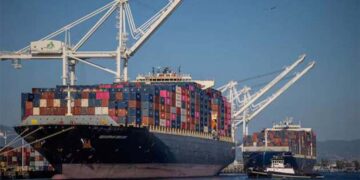


Trump recently signed tariff agreements with India and Bangladesh. Under the new agreement, the tariff imposed on Bangladesh was reduced to 19%, while the tariff imposed on India was reduced to 18%. Sri Lanka’s tariff is now higher than that of both India and Bangladesh.
When trade representatives from the U.S. State Department met President Anura, they emphasized the importance of signing a tariff agreement. Although the United States repeatedly informed Sri Lanka about this matter, the government showed no interest in signing the agreement. The US signing tariff agreements with India and Bangladesh ahead of Sri Lanka has now placed the country in a difficult situation.
According to Foreign Ministry sources, a new condition has now been imposed for signing a tariff agreement with Sri Lanka. That condition is to halt trade dealings with Iran. Trump recently threatened to increase tariffs on countries that engage in trade with Iran. Sri Lanka owes Iran US$250 million for oil imported. Due to the 2022 economic crisis, Sri Lanka was unable to repay that amount. Sri Lanka and Iran signed an agreement to settle the payment by exporting tea instead of cash. In 2013, the then U.S. Ambassador to Sri Lanka informed then President Mahinda Rajapaksa of America’s opposition to importing oil from sanctioned Iran. Sri Lanka is among the countries that Trump recently referred to as trading with Iran.
When Sri Lanka went bankrupt, Iran assisted the country by purchasing tea as a means of settling the oil debt. At Iran’s recent National Day celebration, Minister Nalinda spoke of the importance of Sri Lanka–Iran friendship. The JVP has an ideological connection with Iran despite JVP sympathising with Iraq during Iran – Iraq war. During the five political classes held before the JVP’s second insurrection, the Iranian Revolution against American imperialism was a major topic. In 2020, when the United States assassinated Iran’s top military commander, the JVP Politburo condemned the act, stating that Trump was a threat to world peace. In 2024, when Iran was subjected to a bomb attack, the JVP also expressed its support for Iran.
Against this backdrop, fulfilling American conditions regarding Iran would be a difficult task for a JVP-led government. It is uncertain whether the JVP-led administration has the resolve to argue that the tea-for-oil arrangement does not fall under Trump’s threats concerning trade with Iran.