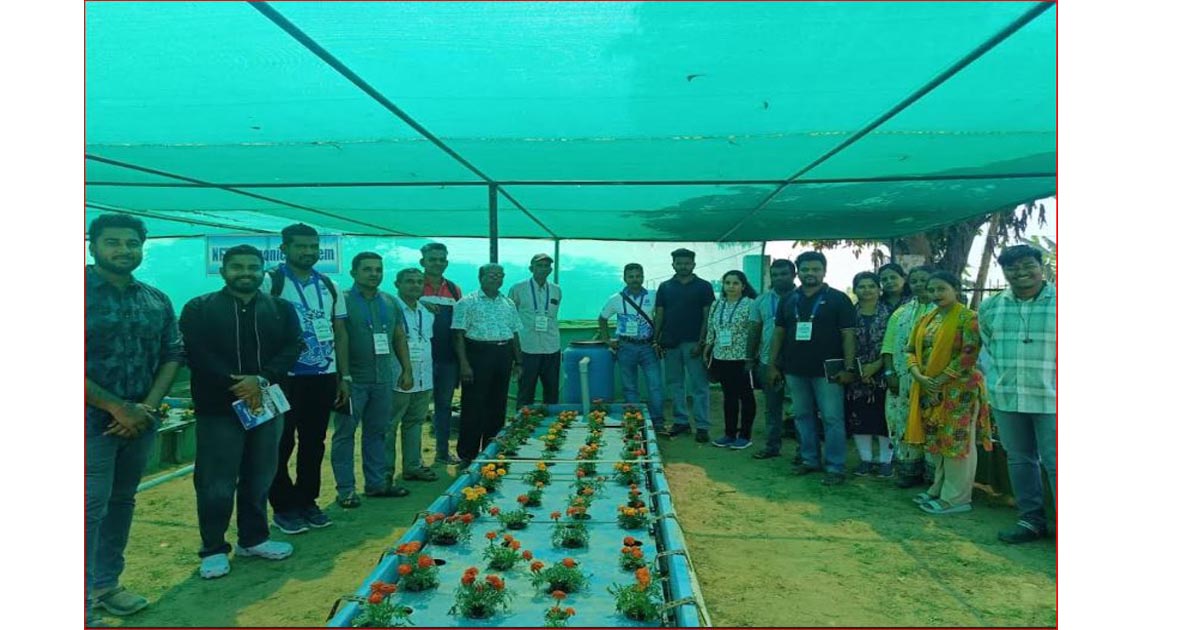
Ten aquaculturists from the National Aquaculture Development Authority (NAQDA), operating under Sri Lanka’s Ministry of Fisheries, Aquatic and Ocean Resources, successfully completed a specialized capacity-building programme at the Central Institute of Freshwater Aquaculture (CIFA) in India.
The two-week customized training programme, held from 2 to 13 February 2026 in Bhubaneswar, was conducted under the aegis of the Indian Council of Agricultural Research (ICAR). CIFA is widely recognized as India’s premier research institute dedicated to freshwater aquaculture.
The programme covered a broad range of technical themes aimed at enhancing practical and scientific expertise. Key focus areas included species and system diversification; carp broodstock management, cryopreservation and induced breeding; nursery pond management and seed rearing protocols; biofloc-based freshwater fish farming; application of advanced technologies in aquaculture; the use of plastics in aquaculture with special emphasis on aquaponics; and comprehensive health management in freshwater finfish and shellfish.
Participants were also exposed to hands-on learning through field visits to CIFA’s major farms and laboratory facilities. These included smart pond units, biofloc systems, freshwater prawn units, ornamental fish units, air-breathing fish culture units, and selective breeding facilities.
Following the successful completion of the programme, the Sri Lankan delegation engaged in an interactive feedback session with India’s High Commissioner to Sri Lanka, H.E. Santosh Jha, and Sri Lanka’s Minister of Fisheries, Aquatic and Ocean Resources, Hon. Ramalingam Chandrasekar. Also present were Secretary to the Ministry, Dr. B. K. Kolita Kamal Jinadasa, and NAQDA Chairman Mr. Kithsiri Dharmapriya.
In his remarks, the High Commissioner highlighted the expanding cooperation between India and Sri Lanka in the field of capacity building, describing it as a key pillar of bilateral development partnership. He noted that India’s enhanced capacity-building initiatives now benefit approximately 1,000 professionals and civil servants annually, in addition to established programmes such as the Indian Technical and Economic Cooperation (ITEC).