

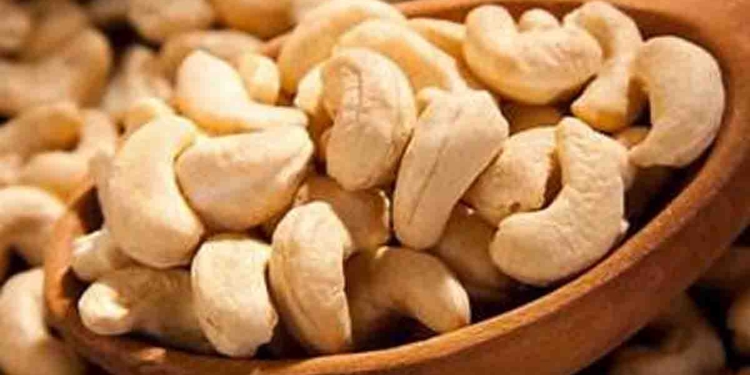
Reports from multiple media outlets today highlighted that the current government’s repeated delays in issuing import licenses for raw cashew nuts in 2025, along with severe restrictions and short validity periods for these licenses, have resulted in a major shortage of raw cashews in the country.
The Sri Lanka Cashew Producers’ Association informed the media that until the upcoming cashew harvesting season in May–June begins, the country will continue to experience a significant shortage of raw cashews.
Under previous governments, import licenses for raw cashews were typically issued at the start of the year, in January, ensuring that imported raw cashews reached local processing factories before the Sinhala New Year.
However, under the current government led by the National People’s Power, even though three import licenses were issued, the short duration provided for imports made it impossible for producers to import cashews in time.
Eventually, although a license for cashew imports was granted last September, no cashew stocks were available in any country worldwide at that time. Members of the Sri Lanka Cashew Association attempted to import small quantities from countries including India to supply the local market, the association confirmed.
Delaying the issuance of import licenses until September for 2025, when local cashew stocks in the market would only arrive in May–June, could lead to a severe shortage in the domestic market until May, analysts have warned the Minister of Plantation Industries, according to reports.
The halt in importing raw cashews has disrupted the livelihoods of many people.
Prices of cashews expected to rise?
Due to the import restrictions, a large number of people employed in the cashew sector face the risk of losing their jobs. Since domestic cashew production is insufficient, cashews have been imported from foreign countries such as Tanzania, Ghana, and India. These imported cashews are processed locally, supporting the livelihoods of thousands of families across different regions.
Although there has been significant demand for cashews among both local consumers and foreign tourists, the shortage has caused multiple problems in the sector. Many tourists consider cashews among their favorite foods, and cashews are widely used in local cuisine and business sectors, making them a highly popular product in Sri Lanka.
People involved in the cashew trade report that demand rises sharply during tourist seasons and festivals. However, because imports were insufficient in the past year, a shortage of cashews is expected during the April festival season.
The main reason for the shortage has been that small-scale traders who received import licenses in the past failed to import sufficient quantities of cashews. The import period provided ended on December 31 last year.
The Ministry’s last-minute efforts to facilitate imports were seen as a positive step, partially alleviating the shortage. Import license holders stated that natural disasters and other challenges prevented them from importing cashews effectively during the allotted period.
“Although we were granted licenses to import cashews, natural disasters and other issues prevented us from completing imports properly. The licenses expired on December 31. Therefore, we requested the government to extend our licenses at least until February or March. The ministry can issue an official notice extending the period until March. If this happens, we will be able to import sufficient cashews for the April festival season, and prices will drop,” several importers told us.
Many of those involved in cashew processing live in areas such as Gampaha, Kurunegala, Kuliyapitiya, and Iravur Halawatha. They reported that their livelihoods are now at serious risk.
“For years, cashew processing has been our main source of income. But due to the lack of cashews recently, we face job loss and severe financial hardship. We bought machines from banks to process cashews, but now those machines lie unused. We have no way to repay the loans. No one is looking into our situation. Therefore, we appeal to the President, the government, and importers to protect our livelihoods. Losing this job would mean no alternative to support our children or maintain our families. We urge all parties, including the President, to resolve these issues,” said workers in the sector.
By a Special Correspondent