Renewed tragedies spark urgent calls from health experts for stricter global drug regulation and safety oversight
- Health experts call for stronger regulation and enforcement as recent deaths linked to contaminated cough syrup reignite global concern over medicine safety
- In 2022, similar contamination killed more than 300 children in countries such as the Gambia, India, Uzbekistan, Indonesia and Cameroon
- ‘WHO continues to advise against the use of cough and cold medicines in children,’ UN health body tells Anadolu
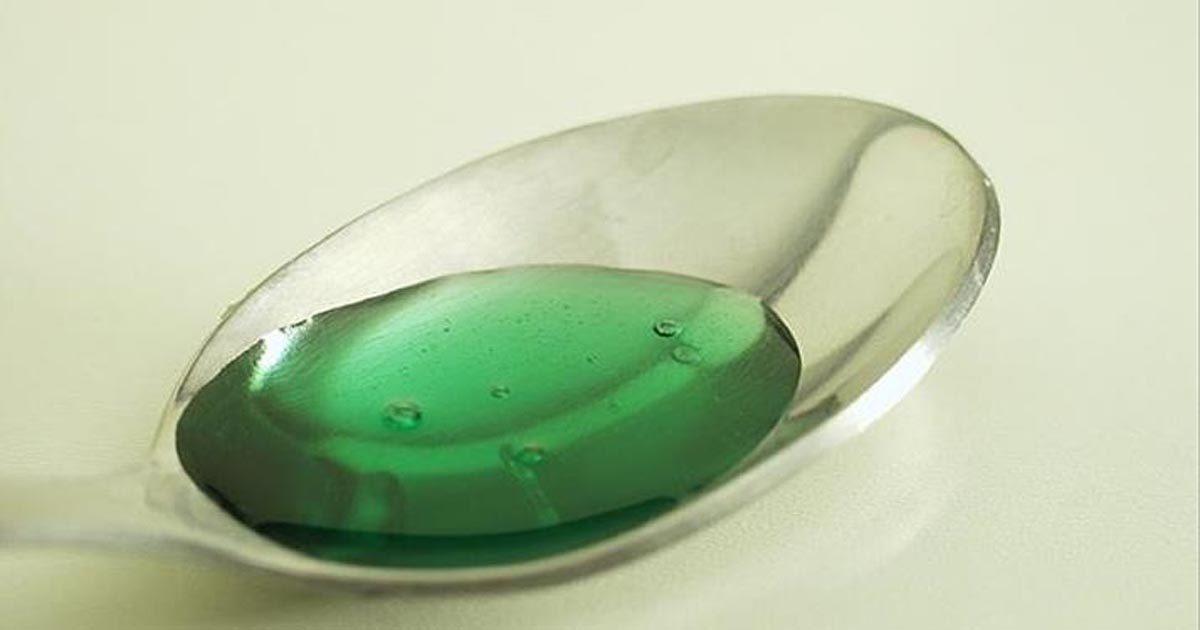
The recent deaths of children in India linked to contaminated cough syrup have reignited global concern over medicine safety in developing nations, as health experts call for stronger regulation and enforcement.
Between August and September this year, at least 24 children died in the central and northern states of Madhya Pradesh and Rajasthan after reportedly consuming cough syrup tainted with a toxic industrial chemical.
Following the incidents, state authorities banned the sale of the products, while India’s Health Ministry advised doctors not to prescribe cough and cold medicines to children under the age of 2.
The tragedy has revived memories of similar incidents in Gambia, Uzbekistan, Indonesia and Cameroon in 2022, when more than 300 children, most younger than five, died after taking contaminated syrups.
What went wrong?
Children who consumed the locally manufactured toxic syrup reportedly experienced fever, vomiting, urinary problems and kidney infections.
“When authorities investigated, they found that the medicine that was given to these children was contaminated with a chemical called diethylene glycol, which is toxic to the human body,” said Dinesh Thakur, a public health activist and author of The Truth Pill: The Myth of Drug Regulation in India.
Thakur, who is also a chemical engineer, warned that the true death toll could be higher, as it is difficult to identify every child who may have succumbed to the toxic cough syrup.
In October, the World Health Organization (WHO) issued a medical alert after India’s Central Drugs Standard Control Organization confirmed the presence of diethylene glycol in at least three oral syrup brands – Coldrif, Respifresh TR and ReLife – which were consumed by children in a reported cluster of cases.
Media reports said Indian police arrested the owner of Sresan Pharma after a cough syrup made at his plant was linked to the deaths of at least 21 children.
Separately, the Health Ministry issued orders for all states “to ensure enhanced surveillance, timely reporting by all health facilities, wider dissemination of the community reporting tool … and strengthened inter-state coordination for early reporting and joint action.”
Authorities also launched inspections at 19 manufacturing sites across six states “to identify systemic gaps and strengthen quality assurance mechanisms,” read an Oct. 5 statement.
The ministry “reaffirmed its commitment to ensuring the highest standards of drug quality and patient safety, and directed all states and (union territories) to take swift, coordinated and sustained action to prevent recurrence of such incidents.”
How did cough syrups become toxic?
Experts explain how the presence of diethylene glycol in medicines can lead the syrups to become toxic.
“Diethylene glycol contamination comes from glycerin, which is a key component of cough syrups,” Winston Morgan, a professor of toxicology at the University of East London, told Anadolu. “Contamination is normally detected where there is proper testing.”
When ingredients are of poor quality or testing is limited, these issues are more common, he said, adding that while most cough syrups use glycerin, quality control reduces contamination.
A WHO official told Anadolu that contaminated medicines may be unsafe or ineffective because they contain substances – physical, chemical, biological or radiological – that should not be present.
“Medicines can be contaminated when they are produced in inadequately controlled settings by poorly trained personnel, and/or shipped or accidentally stored without respecting the necessary standards,” the official said in a statement attributed to the WHO.
“In many cases, contaminated medicines are the result of intentional criminal conduct.”
According to local media, one of the toxic syrups tested in India contained nearly 48.6% diethylene glycol – almost 500 times the limit set by India and the WHO.
The WHO describes diethylene glycol and ethylene glycol as highly toxic substances used in antifreeze and industrial solvents. Even small doses can be fatal, particularly for children.
“They are often illegally substituted for pharmaceutical-grade excipients such as propylene glycol, glycerin and sorbitol – ingredients used in the formulation of medicines, including cough and paracetamol syrups,” the WHO said, warning that they can cause kidney injury, neurological damage and death.
Toxic effects can include abdominal pain, vomiting, diarrhea, inability to pass urine, headache, altered mental state and acute kidney injury, which may lead to death.
How widespread is the problem?
Mass poisoning incidents involving diethylene glycol go back to 1937, when, in the US, more than 105 people died after the chemical was found in a medicine.
But now, the WHO says the problem of contamination disproportionately affects children in low- and middle-income countries.
Indeed, this is not the first time that people have died in India due to contaminated toxic syrups.
“This is the ninth such incident between 1972 and 2025 in India,” said Thakur. “We have had more than 300 children die because of this.”
The WHO said that while there is no current evidence of illegal export linked to the latest Indian cases, it has urged national regulators to increase surveillance – especially in informal and unregulated supply chains where products can circulate undetected.
The poisonings have also reignited debate over the use of cough syrups for children.
“WHO continues to advise against the use of cough and cold medicines in children,” the statement said, noting limited evidence of their effectiveness for children under 5.
Thakur said the advice reflects both limited efficacy and contamination risks.
“Normally, cough syrups are for symptomatic cough relief,” he said. “The infection is not cured with cough syrup, and there is a need for an antibiotic to be able to cure an infection.”
Many syrups also contain sedatives to suppress coughing, which can be risky for young children.
– Who is responsible for the deaths?
Experts say both manufacturers and regulators share responsibility for ensuring medicine safety.
“Manufacturers must have appropriate equipment to test medicines, and regulators must enforce their own rules,” said Morgan.
Thakur added that countries should strengthen the capacity to screen imported medicines.
“Smaller countries do not have state capacity to be able to do that, and that is the reason why WHO intervenes,” he said. “But there is no foolproof system that guarantees good quality medicine being imported into the country.”
He urged WHO to develop stricter procurement standards for both public and private sectors, particularly in India.
The WHO, for its part, has urged national authorities to increase vigilance and fully investigate the root causes of contamination.
“WHO encourages national authorities to fully investigate the root and systemic causes of the diethylene glycol and ethylene glycol contaminations,” the agency said, adding that it continues to work with Indian health authorities to trace the source of contamination and mitigate risks.
Source: AA