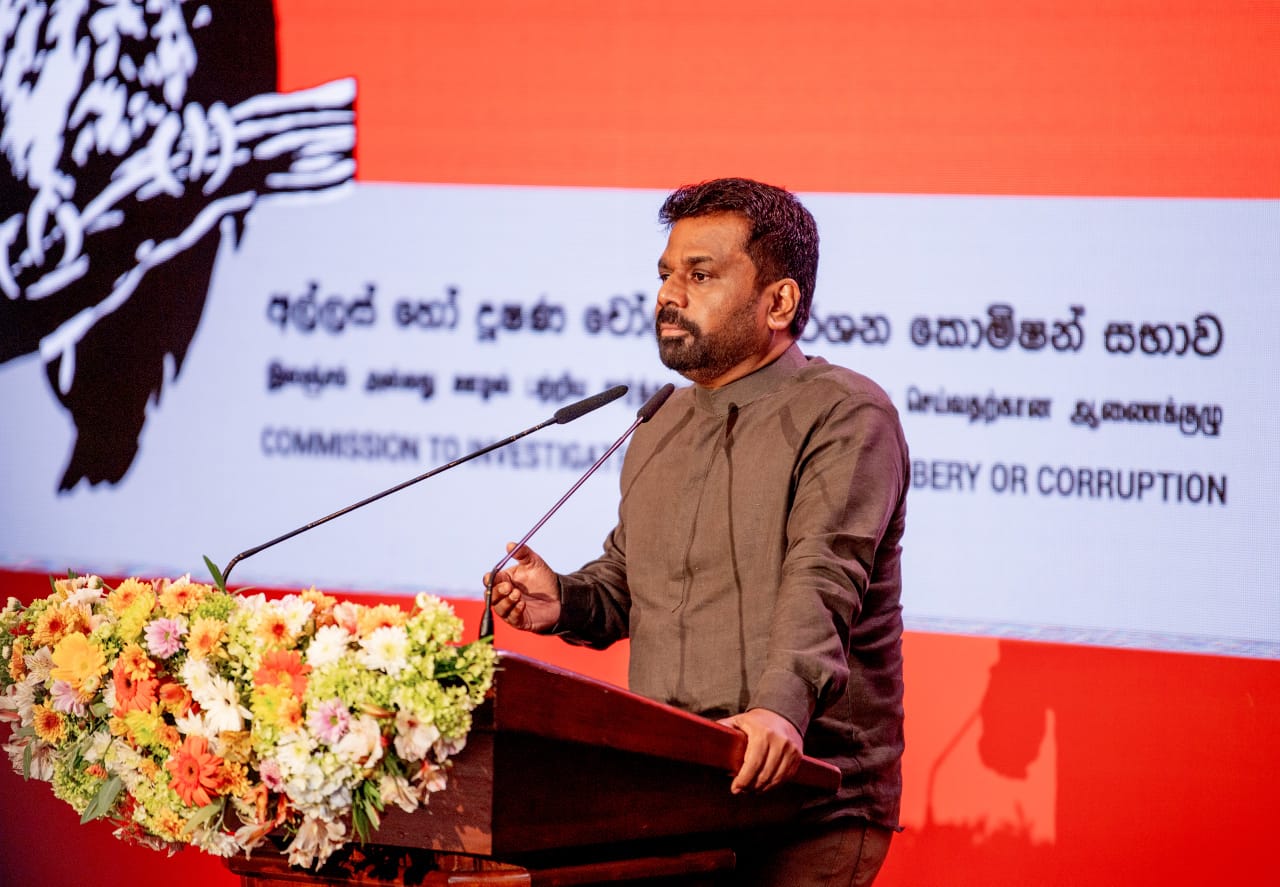

President Anura Kumara Dissanayake emphasized that while the current government has already initiated decisive action to cleanse the political system of bribery and corruption, it is imperative that the bureaucratic sector also aligns with this mission without delay.
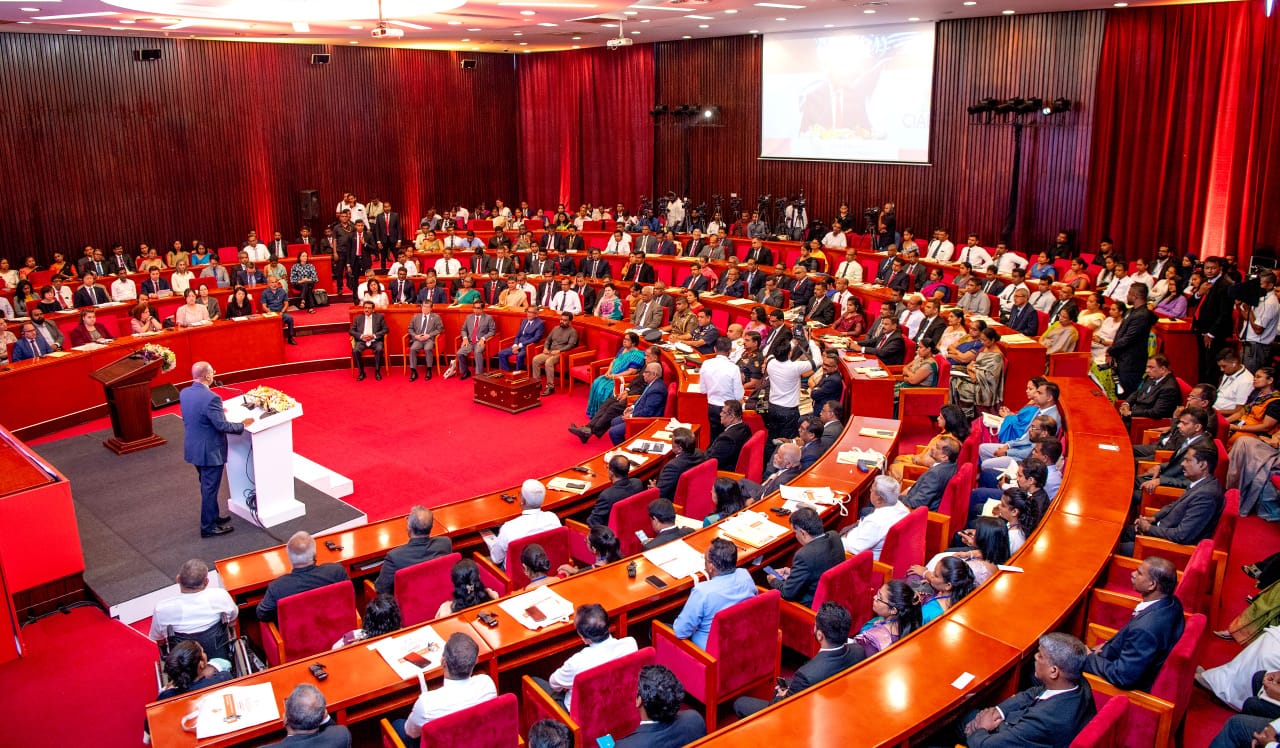
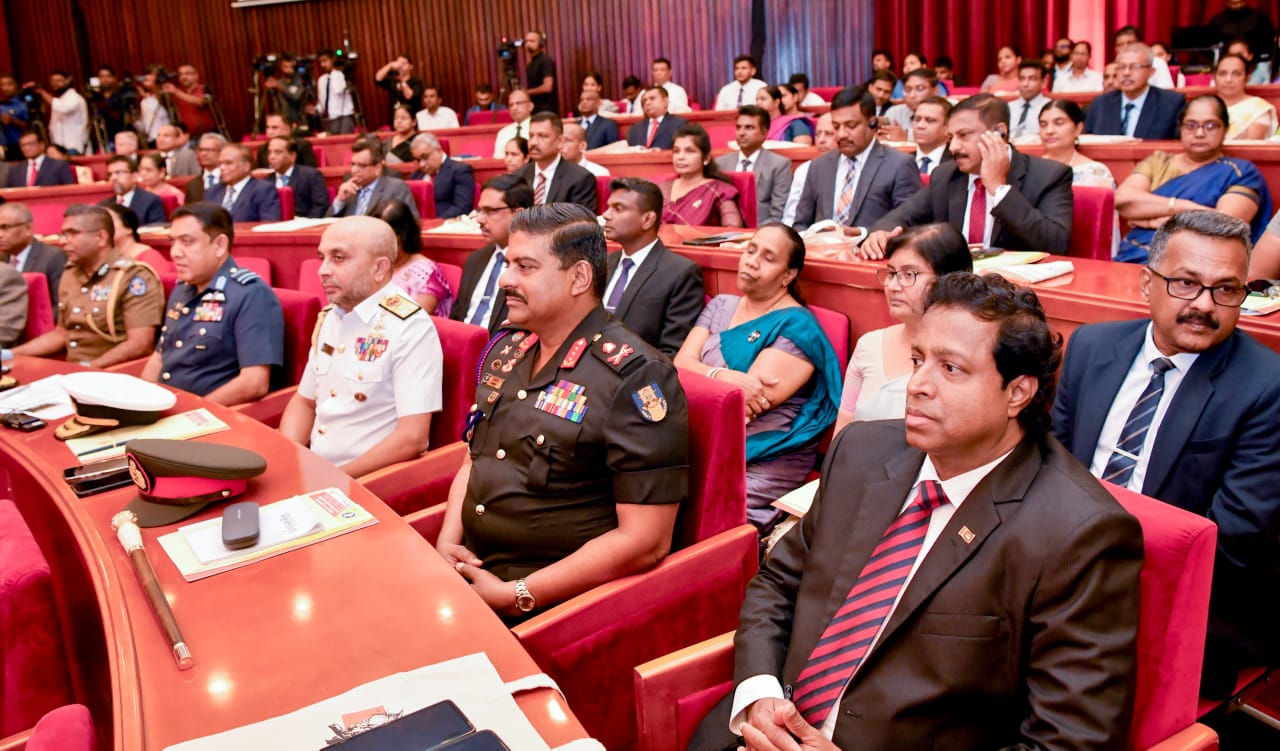
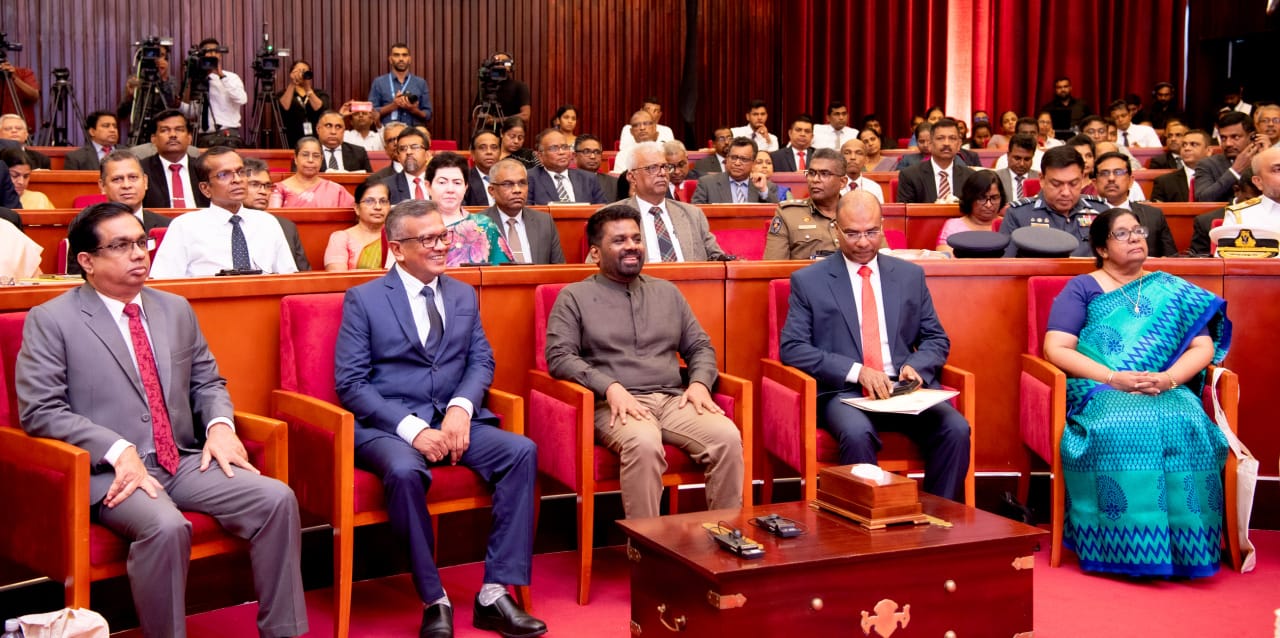
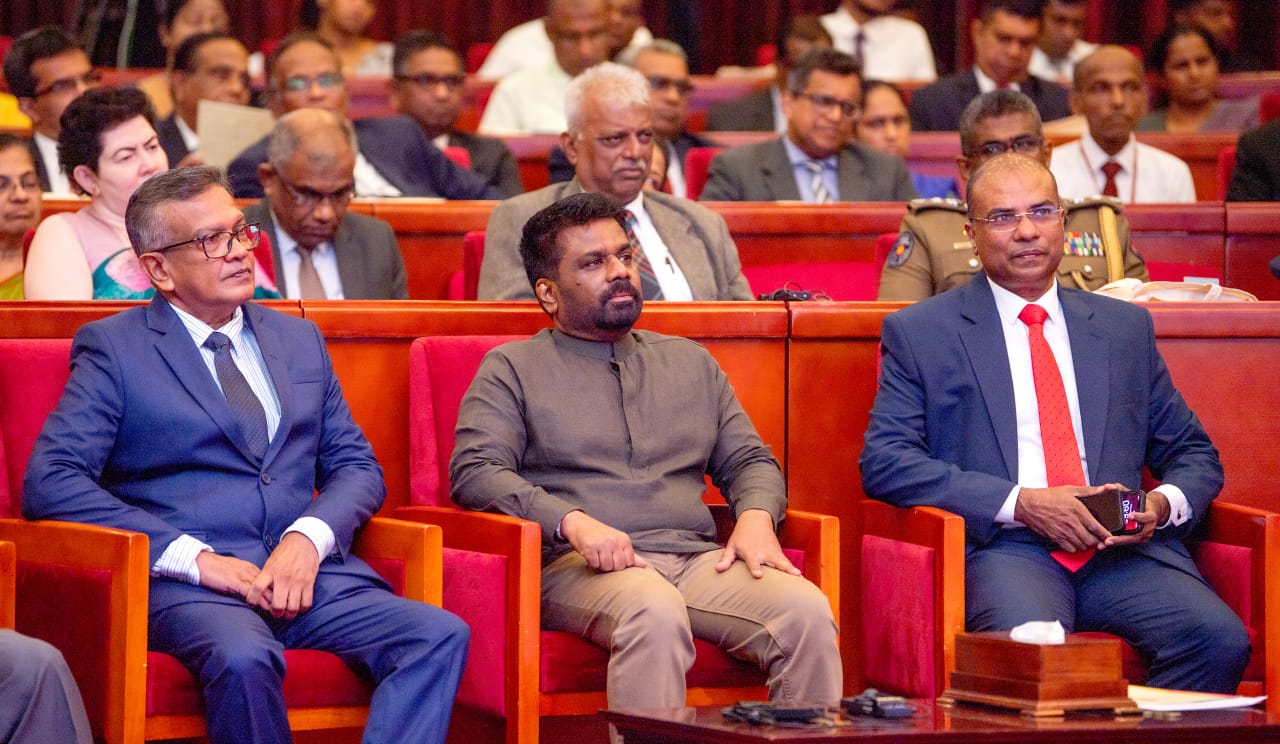
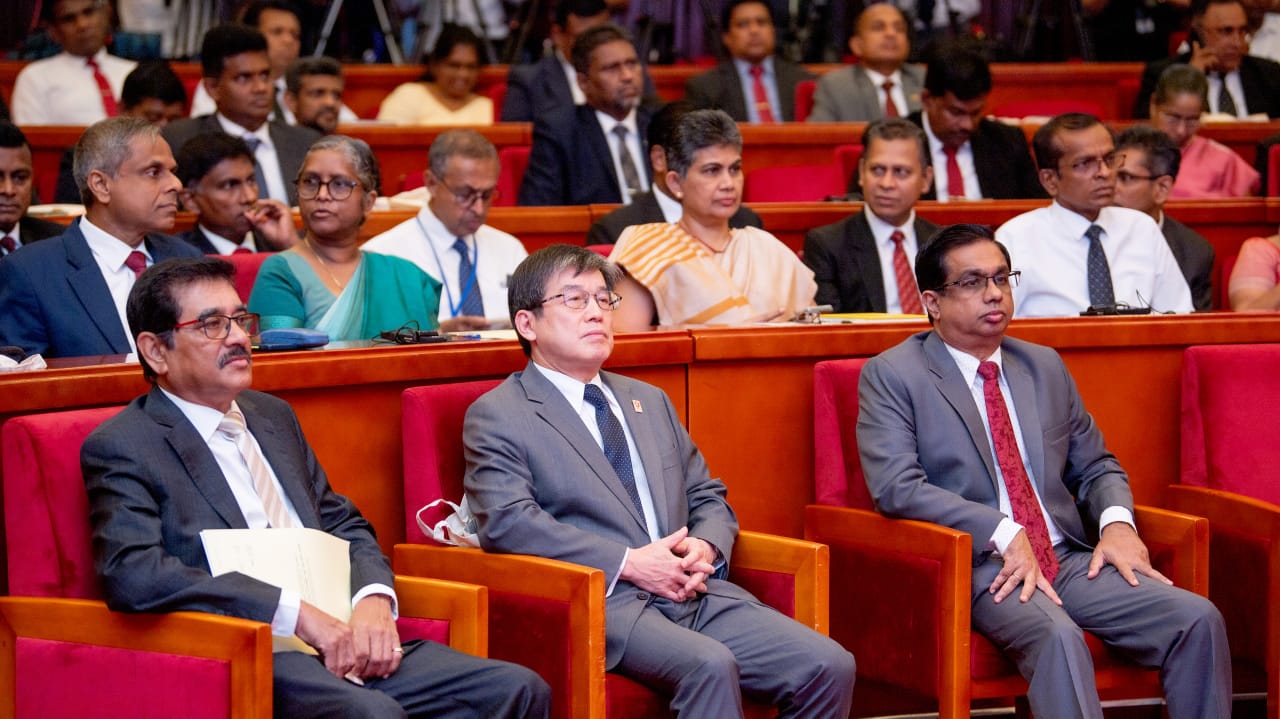
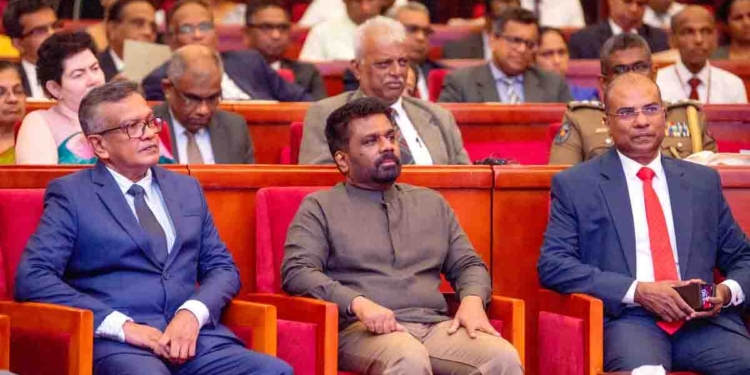
Speaking at the official launch of the “National Anti-Corruption Action Plan 2025–2029” held today (April 9) at the Bandaranaike International Conference Hall in Colombo, President Dissanayake announced that a grace period of six months has been granted for the bureaucratic machinery to correct itself. He firmly warned that if no change is evident beyond this May, the law will be enforced without hesitation against those responsible.
The President stated that bribery and corruption have become the core forces eroding the integrity and values of Sri Lanka’s state institutions. However, under his leadership over the past six months, the government has ensured that no position in the public service has been allowed to collapse. He also declared that any officials unwilling to embrace reform will be replaced after May.
Highlighting the destructive legacy of corruption, President Dissanayake pointed out that Sri Lanka has been set back by decades, not due to lack of potential, but because of entrenched malpractices. He underscored that the enforcement of law against corruption should not be seen as political vengeance, but rather as a humanitarian responsibility.
He further noted that a lawful society must be cultivated—not merely through sermons and workshops, but through clear and consistent consequences for criminal acts. The President stressed the importance of restoring faith in justice, ensuring that no one believes they can commit crimes and evade accountability.
In a powerful reflection, President Dissanayake stated that corruption, which began from the gravel roads of rural villages, has now evolved into large-scale operations such as drug trafficking, reaching as far as the Pradeshiya Sabha to the Central Bank, and that previous governments had provided protection to these corrupt networks.
He revealed the existence of a corruption ring—composed of state officials, law enforcement personnel, and armed criminal elements—actively operating within administrative institutions. He assured the public that these individuals have now been identified and strategic solutions are being developed to dismantle these corrupt systems.
Reaffirming his commitment, the President declared that the responsibility to eradicate corruption will not be passed on to future generations, but will be addressed under the leadership of the current administration.
Drawing comparisons with India—an independent nation one year prior to Sri Lanka—President Dissanayake observed how India has developed a powerful workforce in space and software sectors by adhering to a national agenda. In contrast, Sri Lanka was declared bankrupt in 2022 due to reckless decisions by previous political authorities.
He affirmed that the current government is fulfilling its responsibility to restore Sri Lanka’s image on the global stage, by adhering to a national agenda and being accountable for every rupee of the people.
The President concluded by stating that by following this path, public trust can be restored in the nation’s justice system and citizens must believe that no one is above the law.
The National Anti-Corruption Action Plan 2025–2029 aims to guide Sri Lanka “towards a clean nation.” As part of this initiative, the government will establish internal affairs units within all government institutions—including the Presidential Secretariat—and deploy digital monitoring mechanisms to ensure transparency.
This comprehensive plan targets strategic priority areas such as public education and engagement, institutional strengthening and law enforcement, and reforms in law and policy.
Eliminating bribery and corruption is a cornerstone for national progress, and in Sri Lanka, the Commission to Investigate Allegations of Bribery or Corruption remains the principal body committed to that mission. In this context, the development and implementation of a robust, nationwide anti-corruption policy—applicable across all sectors—is deemed essential for lasting reform.