

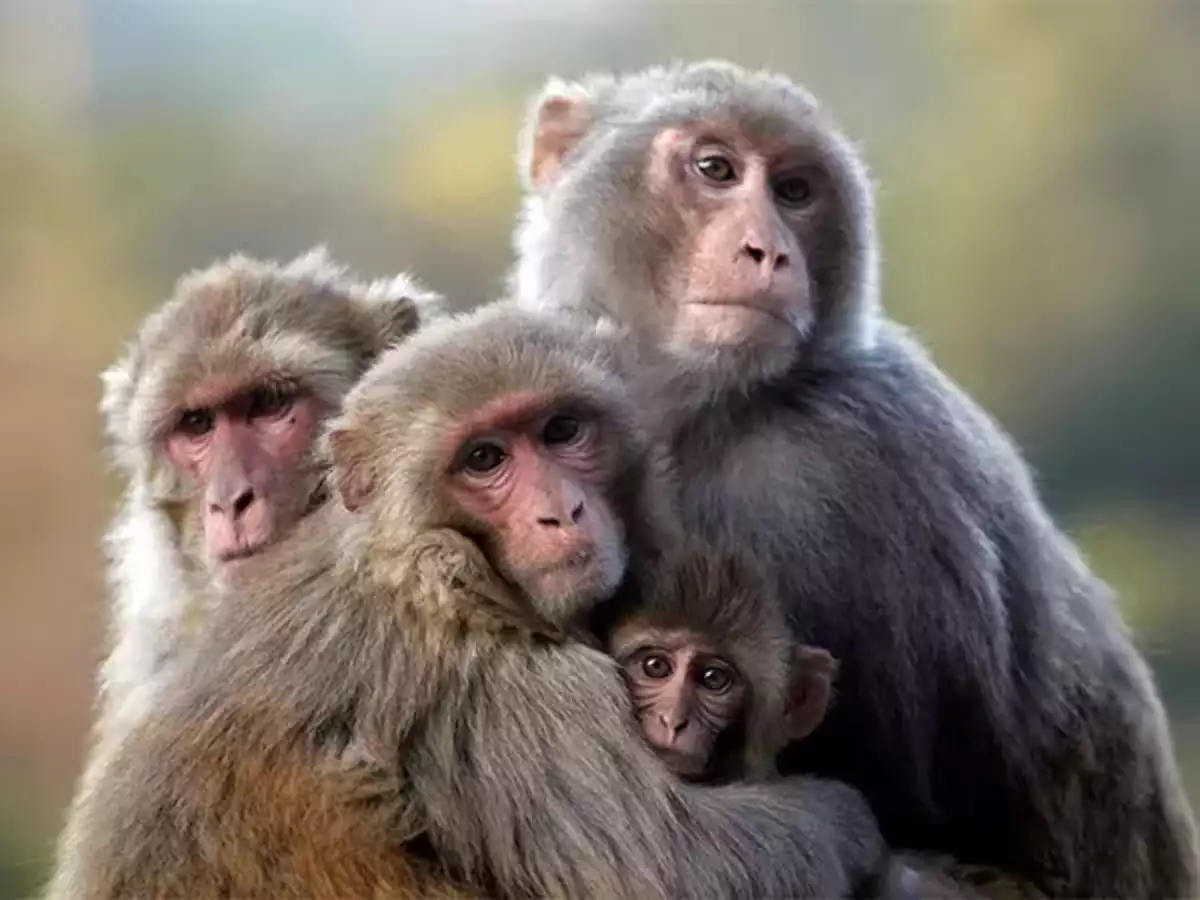
Grama Niladharis across the country are currently in the process of collecting and analyzing the data gathered from last week’s census of macaques, langurs, giant squirrels, and peacocks.
Hemantha Amarasinghe, the Director of Agriculture Technology at the Ministry of Agriculture and a member of the Special Committee for Reducing Damages Caused by Wild Animals (SCRDCWA), confirmed that some of the collected data has already been forwarded to divisional secretaries and to the operations room established at the ministry for processing the census results.
Amarasinghe stated that the ministry anticipates receiving district-level data by Friday, March 28, which will then be incorporated into the final islandwide report.
“We expect to have the final count by March 31. After that, we will map the distribution of these animals within the Grama Niladhari divisions, divisional secretariat areas, and at the district level,” he added.
He further noted that it would take at least one month to fully analyze the data, followed by an additional month to finalize and submit the report, which will include recommendations.
Meanwhile, Agriculture Ministry Secretary D.P. Wickramasinghe explained that the census of crop-damaging animals is vital for formulating effective wildlife management strategies. He pointed out that while his ministry initiated the census due to the impact of these animals on crops, the Department of Wildlife should take over the next steps in addressing the issue.
In a related update, B.V. Tharangani Shamalie, the Director of Agriculture for Puttalam District, responded to last week’s Sunday Times article on the animal count. During her visit to the National Livestock Development Board farm at Martin Watta, she mentioned that although she personally did not observe any animals or birds, other visitors to the 450-acre farm had recorded sightings of the animals.