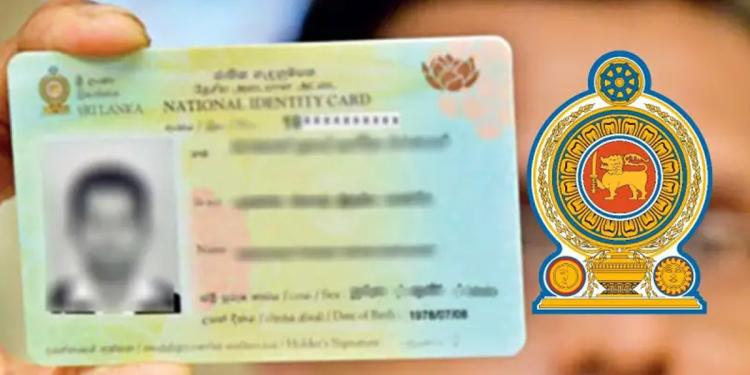
Kasun Mahendra Heenatigala, a lawyer, writer, and artist, has filed a complaint with the Inspector General of Police (IGP), alleging unlawful arrest and mistreatment by the Athurugiriya Police for not carrying his national identity card.
Heenatigala recounted that on the night of December 20, he visited a nearby shop when a group of plainclothes officers detained him. The officers questioned him about his residence, and when he inquired why they needed to see his ID for a shop visit, the situation escalated.
According to Heenatigala, the officers forcibly transported him to the Athurugiriya Police Station. He claims to have been subjected to physical abuse during the process.
Allegations of Mental and Physical Abuse
Heenatigala further alleged that his wife, actress Madhavi Vatsalaha, and his sister were also mistreated when they arrived at the police station to confirm his identity. He stated that the officers, including the Officer-in-Charge (OIC), verbally abused his wife, subjecting her to mental harassment while she was breastfeeding their 18-day-old infant.
“My wife had to bring my identity card to the police station while taking care of our newborn. All this happened because I went to a shop near our house without carrying my ID,” Heenatigala told the media.
Legal Implications: Can Police Arrest Without an ID?
The incident has sparked widespread debate on social media, with many questioning whether individuals are legally required to carry identification at all times.
To clarify, the BBC Sinhala Service sought insight from human rights lawyer Lakshan Dias, who stated unequivocally that police cannot arrest individuals solely for failing to produce an identity card.
“There is no law in Sri Lanka that allows the police to arrest someone merely for not carrying an ID,” Dias said. “An arrest can only be made if there is evidence of a legal violation. If identity verification is necessary, it can be requested, but no arrest should follow solely due to lack of identification at the time.”
Proving Identity
Dias explained that several forms of identification, such as a driver’s license, postal ID, employment ID, media ID, passport, or national identity card, can serve to confirm a person’s identity.
He further elaborated on the legal provisions under the Registration of Persons Act No. 32 of 1968, emphasizing that individuals may be required to produce their identity card upon a specified date and time, as determined by the Commissioner of Registration of Persons or an authorized officer.
“This doesn’t mean one must carry their ID at all times,” Dias noted. “The law permits flexibility, allowing individuals to present their ID later if necessary.”
Public Reaction
The incident has raised pressing questions about the accountability of law enforcement and the misuse of power. Social media platforms are abuzz with discussions on citizens’ rights and the conduct of police officers.
This case highlights the need for clarity on individual rights and the importance of holding authorities accountable to prevent such incidents in the future.