Colombo, Nov 17 (PTI): An International Monetary Fund (IMF) team arrived in Sri Lanka on Sunday to conduct the third review of the $3 billion bailout package, officials from the Finance Ministry confirmed.
This review is expected to pave the way for the disbursement of the fourth tranche of the four-year Extended Fund Facility (EFF), amounting to approximately $330 million, similar to the previous tranches, the officials added.
The IMF’s EFF supports Sri Lanka’s ongoing economic reform programme, which has faced significant challenges in the aftermath of the country’s unprecedented economic crisis.
The third review was delayed initially due to the presidential election held in September. It faced further postponement when the newly-elected National People’s Power (NPP) government called for a snap parliamentary election, which concluded earlier this week.
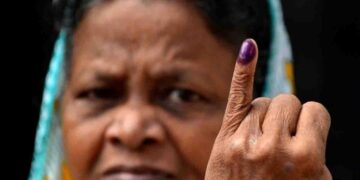
This marks the first engagement between the IMF and the NPP government, following its historic landslide victory in the parliamentary polls on Wednesday, securing absolute control of the 225-member legislature.
President Anura Kumara Dissanayake, who had previously criticized the IMF’s stringent conditions during his presidential campaign, has softened his stance since assuming office. Addressing his final election rally, Dissanayake expressed hope that the fourth tranche would be disbursed by February, once the third review is completed.
The ongoing review will assess Sri Lanka’s adherence to key programme targets, including increasing state revenue and building foreign reserves.
The IMF’s bailout conditions also mandated debt restructuring agreements with both bilateral lenders and sovereign bondholders to ensure debt sustainability. While preliminary agreements were reached during the final weeks of former President Ranil Wickremesinghe’s tenure, these deals are yet to be officially finalized.
Sri Lanka first approached the IMF for assistance during the height of its economic crisis under former President Gotabaya Rajapaksa, who fled the country following months-long public protests. In April 2022, Sri Lanka declared its first-ever sovereign debt default, which further exacerbated its financial woes.
Negotiations with the IMF began soon after, and a year later, in March 2023, Wickremesinghe’s administration secured the $3 billion bailout. In the interim, the country relied heavily on a $4 billion credit line from India, which funded essential imports, including fuel and food.
The successful completion of the third review is seen as a critical step in Sri Lanka’s path to economic recovery amidst ongoing challenges.