
A general election is on the horizon, and as always, familiar names and faces dominate the conversation. Year after year, elections in Sri Lanka seem to yield the same results, with a recurring set of individuals making their way to Parliament, holding ministerial positions, and steering the country in the same familiar direction. However, this time, something unexpected is happening. Several well-known figures in Sri Lankan politics are notably absent from the race.
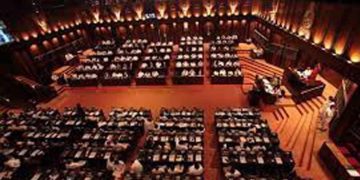
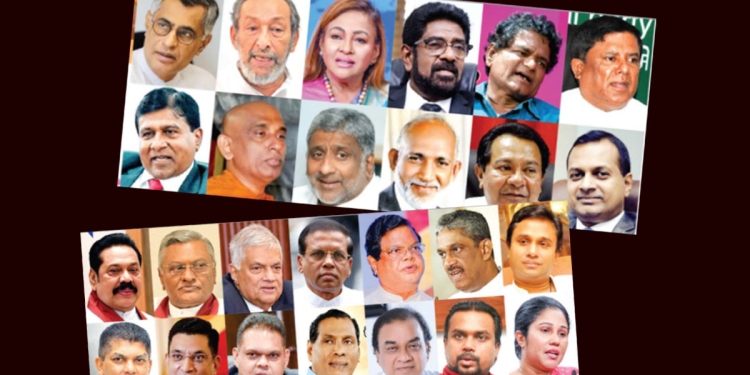
In a surprising turn of events, nearly 58 MPs and ministers who were once key players in Parliament have opted not to contest in this election. These individuals, who have been synonymous with Sri Lanka’s political landscape for years, are no longer part of the national lists or any electoral race. This marks a significant shift as many of these familiar faces will not return to Parliament.
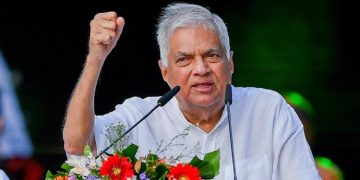
The list of those stepping away is quite substantial. Among the notable figures are Mahinda Rajapaksa, Basil Rajapaksa, Chamal Rajapaksa, Ranil Wickremesinghe, Maithripala Sirisena, Nalaka Godahewa, Bandula Gunawardena, and many others. These are individuals who have played pivotal roles in shaping the country’s political scene, but this time they have chosen—or perhaps been forced—to step aside.
The withdrawal of such a large number of experienced politicians from the race may signal the beginning of a major political shift. For years, these figures have been entrenched in the corridors of power, some of them even embroiled in controversies ranging from corruption to misconduct. This election, however, seems to be ushering in a wave of new faces, particularly with the rise of the National People’s Power (NPP) and other emerging parties.
Sri Lanka’s political arena, which has long been dominated by a few key parties, now has more diversity than ever. Alongside the Samagi Jana Balawegaya (SJB) and the Pohottuwa, there are now five significant electoral lists in the running, including the NPP and a new group associated with Dilith Jayaweera. This broadening of the political spectrum may offer voters fresh alternatives and new leadership, something many in the country have been yearning for after years of the same political narrative.
The absence of these established political figures, some of whom carry considerable baggage from past misdeeds, could be an opportunity for the country to turn over a new leaf. As fresh faces prepare to take their place on the national stage, it raises the question: could this election mark a turning point for Sri Lanka’s political future?
Ultimately, this general election could be a sign of much-needed political change. Whether this shift will lead to meaningful reform or simply a reshuffling of power remains to be seen, but it is clear that the political landscape of Sri Lanka is undergoing a significant transformation.