
Hepatologist Prof. Madunil A. Niriella turns focus on newly-named MASLD
Located beneath the rib cage in the right upper abdomen, it is the largest solid organ in the body. Vital for removing toxins from the blood supply, the liver maintains healthy blood sugar levels, regulates blood clotting and performs hundreds of other functions.
This wonder organ is also one of few that can regenerate itself.
A fatty liver – a build-up of fat in the liver cells – may not be just a liver issue but could be a danger signal of obesity, diabetes, hypertension and elevated abnormal cholesterol (atherogenic dyslipidemia – AD).
As all these are closely associated with metabolic dysfunction, Non-Alcoholic Fatty Liver Disease (NAFLD) has had a name-change to Metabolic Dysfunction-Associated Steatotic Liver Disease (MASLD) to reflect the wide-ranging impact on the human body.
Explaining the name-change, the Senior Hepatologist of the Colombo North Centre for Liver Disease (CNCLD), Faculty of Medicine, University of Kelaniya, Prof. Madunil A. Niriella said that earlier in the diagnosis of NAFLD, there were strict restrictive criteria under which any other liver disease was excluded.
“It is the same disease but with a clearer definition and less-stigmatizing terminology. Now the MASLD definition is simpler and clearer – requiring only a demonstration of fatty liver plus 1 of 5 metabolic criteria. These metabolic criteria are overweight/obesity; diabetes; hypertension; and two types of abnormal blood lipids,” says Prof. Niriella who is also Professor in Gastroenterology, Department of Medicine, Faculty of Medicine, University of Kelaniya and President of the Sri Lanka Society of Gastroenterology.
Fatty liver is the “commonest” chronic liver disease in the world, with a prevalence of 32% among adults and an “alarming” prevalence of 60% (double the usual) among those suffering from diabetes, he says, as globally International NASH (Non-Alcohol Steatohepatitis) Day was commemorated yesterday (June 8). NASH is the more aggressive form of NAFLD.
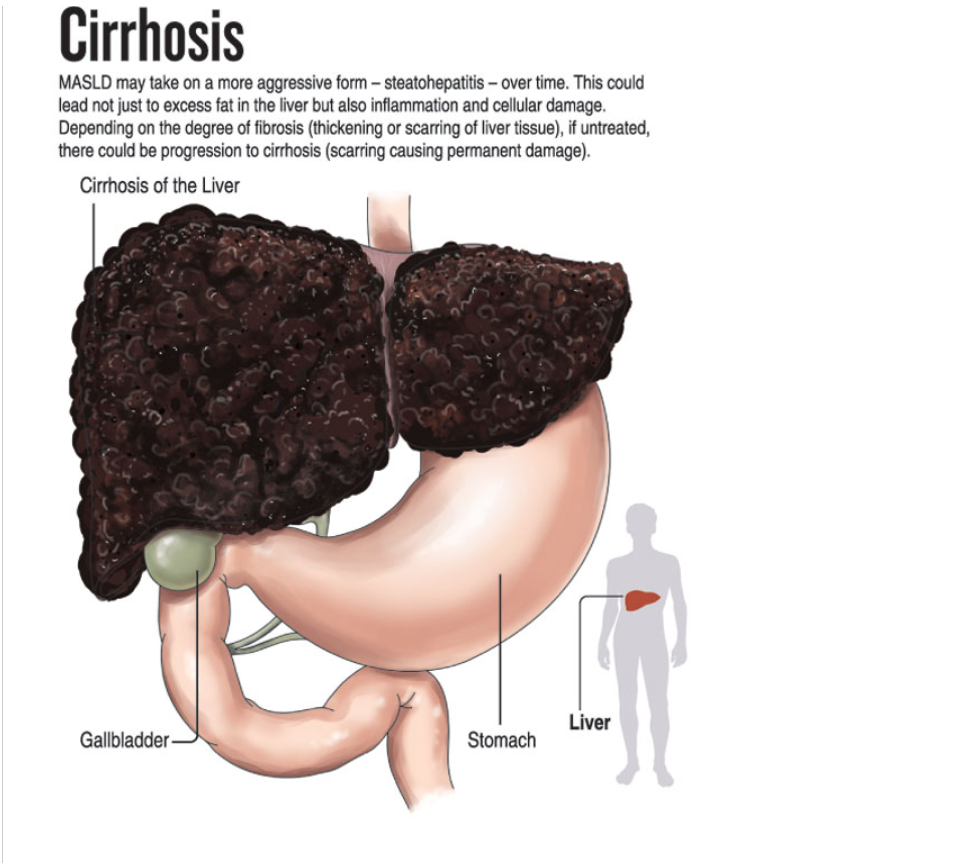
Pointing out that NAFLD turned MASLD is a spectrum of diseases, he explains that it starts asymptomatically in early childhood and adulthood taking on a more aggressive form – steatohepatitis – over time. The aggressive form is not just excess fat in the liver but also inflammation and cellular damage of this organ. Depending on the degree of fibrosis (thickening or scarring of liver tissue), if untreated, there could be progression to cirrhosis (scarring causing permanent damage) and the development of liver cancer.
How can one develop Steatotic Liver Disease, asks Prof. Niriella, giving the vulnerabilities as:
- A genetic predisposition (an increased chance of developing a disease based on genetic makeup), coupled with an unhealthy lifestyle
He goes onto reiterate that not everyone who is genetically predisposed would be hit by this disease as an unhealthy lifestyle, which can easily be changed, also plays a major role.
An unhealthy lifestyle means:
- Being physically inactive – lack of exercise and a very sedentary life
- A high-calorie diet of refined sugar – sugar-sweetened drinks and milk products
- A high-fat diet – processed foods such as sausages and bacon
“All these lead to weight gain and, in turn, to fatty liver,” he cautions, warning that if untreated for 20-25 years, the powerful liver may go into cirrhosis. However, this does not happen in all patients with fatty liver. There is an ‘at-risk’ group and it is very important to identify them.
Source: Sunday Times Print Media