
After police discovered an alarming number of drivers using drugs while driving in the Western Province, another leading province will begin random narcotic detection tests on July 1.
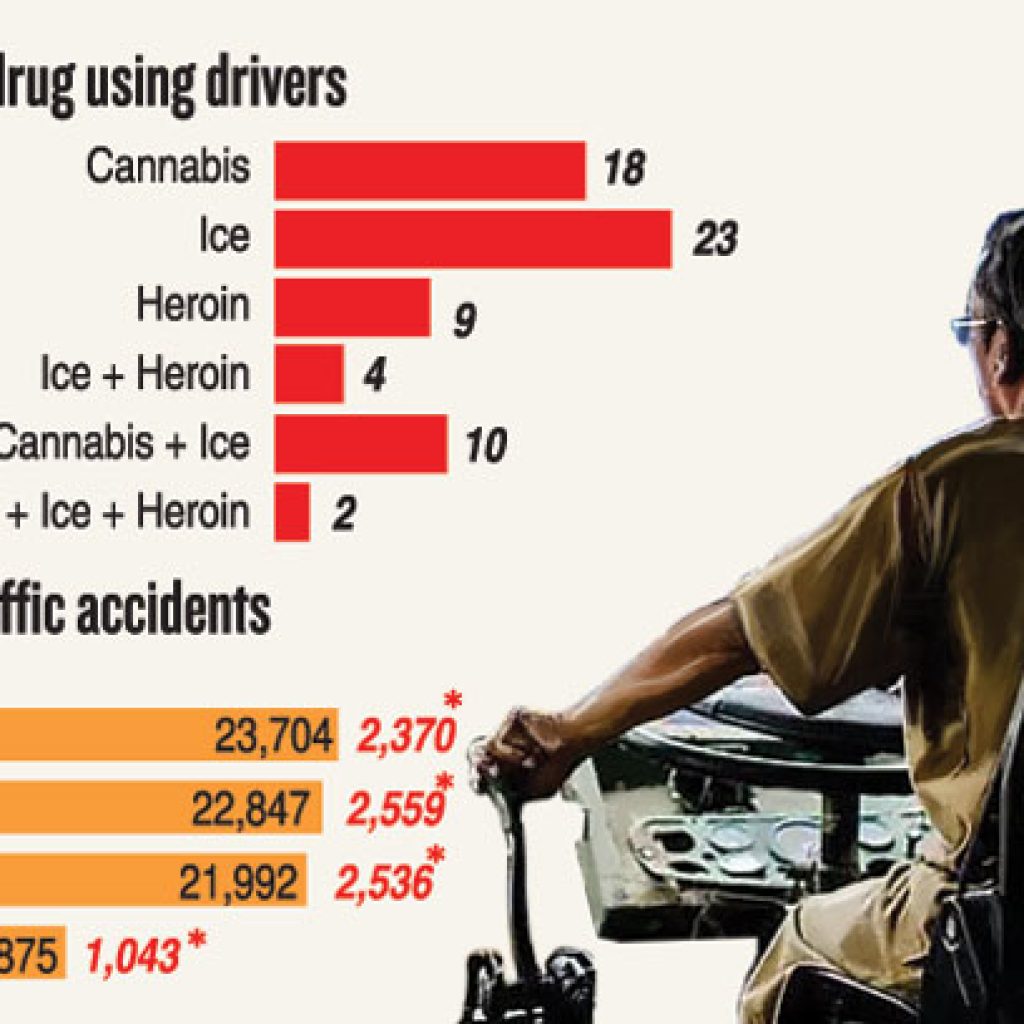
In a pilot project last week, police tested 1,781 drivers in Western Province and discovered that approximately 100 were users of dangerous drugs. The vast majority were crystal methamphetamine, also known as ‘ice’ users.
‘We saw private bus and heavy vehicle drivers using narcotics during the day, and mostly cars and three wheelers at night,’ said Deputy Inspector General DIG (Traffic) Indika Hapugoda.
According to the Western Province pilot programme, 56% of the drug-using drivers used ‘ice,’ 43% cannabis, and 21% heroin.
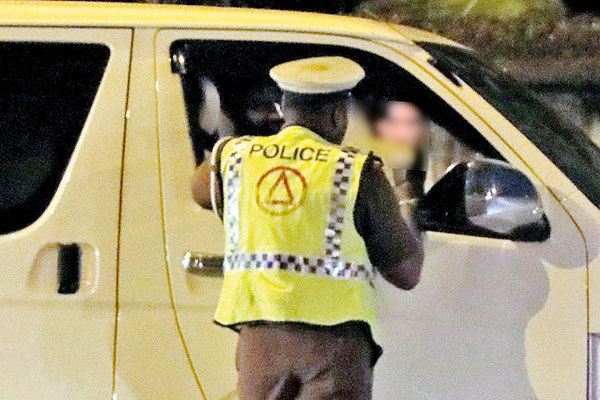
He stated that drivers will be subjected to a saliva test, which will provide a result in a matter of seconds. If the test is positive, the driver will be escorted to the nearest state hospital laboratory/government analyst or Dangerous Drugs Control Board laboratory for a urine test.
“The test kit can detect six types of narcotics ranging from heroin to cannabis, crystal meth and cocaine. Once they are tested positive for both saliva and urine tests, the report will be submitted to the Judicial Medical Officer and to courts,” DIG Hapugoda told the Sunday Times.
He said if found guilty of violating the Motor Traffic Act section 151 on the use of alcohol and drugs, a convict can be fined a minimum of Rs. 25,000 and also risk the suspension of the license.
“Previously, accidents were caused by reckless drivers, those who have dozed off or under the influence of liquor. But driving with narcotics in the body is far more dangerous,” he said.
According to him, drivers will be tested for narcotics use from August 1.
The Ministry of Transport said this year 1,043 Sri Lankans have died in 8,875 road traffic accidents. Last year 2,536 died from 21,992 accidents.
The tests are done using 5,000 drug detection saliva kits worth Rs. 10 million given by the National Council for Road Safety. Head of the Road Safety Council Malith Jayathilake said the 5,000 drug test kits bought two years ago was put to use only this year.
“If the pilot programmes on detecting narcotic use is a success, the State Ministry of Transport, the council and police will work together in importing more test kits to control the use of drugs by drivers,” he said.