
For decades, India has demonstrated a consistent ability to navigate geopolitical crises through a balanced and pragmatic approach, maintaining diverse interests across multiple global regions. The ongoing conflict involving Iran is no exception. This stance is rooted in India’s long-standing principle of strategic autonomy, whereby New Delhi avoids aligning rigidly with any side and instead prioritizes policies that safeguard national interests while taking into account historical ties, geographic realities, and future opportunities.
Although the partnership between India and Israel has expanded significantly in recent years—particularly in the field of technology—New Delhi has deliberately refrained from taking sides in the current crisis. Instead, it has adopted a nuanced strategy shaped by its substantial stakes in the Persian Gulf and the broader West Asian region. This region is home to approximately 10 million Indian professionals and represents a vital source of energy supplies and investment.
India’s balanced diplomacy is reflected in its engagement with all key regional stakeholders since 28 February, without bias. External Affairs Minister S. Jaishankar has held two conversations with his Iranian counterpart following the escalation of tensions, while New Delhi hosted Iran’s Deputy Foreign Minister in the first week of March. During this visit, the Iranian official also addressed India’s premier foreign policy forum, Raisina Dialogue. Across these interactions, India has consistently emphasized that dialogue and diplomacy remain the only viable means of resolving conflict.
Addressing the Upper House of the Indian Parliament on March 9, Jaishankar stated that the situation has significantly heightened regional security concerns. He noted that the Prime Minister is closely monitoring developments and reiterated India’s commitment to de-escalation through diplomatic means. He further stressed the importance of regional stability, particularly given the large Indian diaspora in Gulf countries, and expressed concern for their safety.
Remittances from Indians working in the Gulf continue to play a crucial role in India’s economy. In line with its established policy of citizen repatriation during international crises, New Delhi has already facilitated the return of thousands of stranded nationals from the region. In his parliamentary remarks, Jaishankar also acknowledged that the conflict has resulted in multiple casualties, including among Iran’s leadership, and reiterated that respecting the sovereignty and territorial integrity of all states in the region is essential—a message directed at all parties involved.
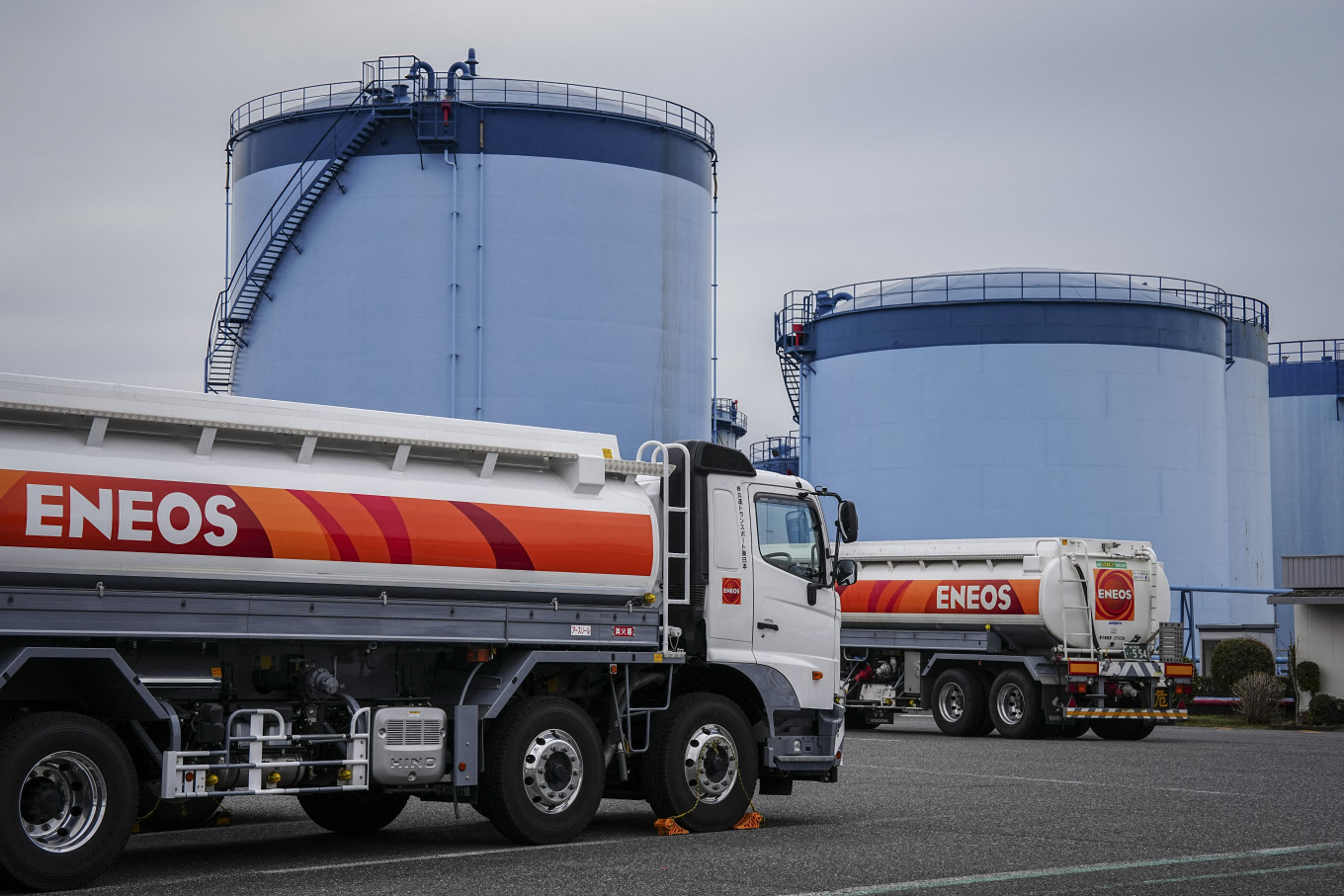
The Gulf region remains one of India’s most significant trade partners, with annual trade nearing US$200 billion. It is also a major supplier of crude oil and natural gas. Consequently, any escalation of conflict in the region poses direct risks to India’s economic and energy security. Highlighting this, Jaishankar informed Parliament that protecting the interests of Indian consumers remains a top priority, adding that Indian diplomacy has actively supported domestic energy enterprises in navigating the volatile situation.
In contrast to India’s neutral posture, Pakistan has taken a more ambiguous role in the conflict. Despite sharing a border with Iran, Pakistan has reportedly allowed the use of its airspace for attacks during the Ramadan period. Under its defense agreement with Saudi Arabia, Islamabad is obligated to support Riyadh in times of war. Recent reports and images showing interactions between senior Pakistani military officials and Saudi defense leadership have further drawn attention from observers.
Meanwhile, Iran’s strategic importance within the region remains significant. As a key regional actor, it serves as a counterbalance to Pakistan and acts as a critical gateway for India to access Eurasia, Afghanistan, and Armenia. Major connectivity initiatives such as the International North-South Transport Corridor (INSTC) and the Chabahar Port project continue to hold long-term strategic value despite delays. Notably, India successfully secured a sanctions waiver from the United States for the development of Chabahar Port, underscoring a major diplomatic achievement.
The INSTC has also emerged as an essential trade route, particularly for commerce between India and Russia following the outbreak of the Ukraine war. Additionally, Iran has facilitated India’s strategic cooperation with Armenia by allowing the transit of Indian military supplies through its territory and airspace.
With a population of approximately 92 million, Iran ranks as the 17th-largest country globally by both population and land area. Its size is roughly half that of India and nearly 80 times larger than Israel. Beyond its geographic scale, Iran possesses considerable human capital, with an adult literacy rate of 89 percent and youth literacy approaching 99 percent. Its workforce is among the most skilled in West Asia, and its scientific progress in recent decades has been notable. The country is also rich in natural resources, ranking as the world’s ninth-largest oil producer and third-largest producer of natural gas.
Given these complex dynamics, careful and strategic diplomacy is essential in managing regional tensions. In this context, India’s continued emphasis on dialogue, engagement, and balanced policymaking remains the most practical and sustainable path forward.