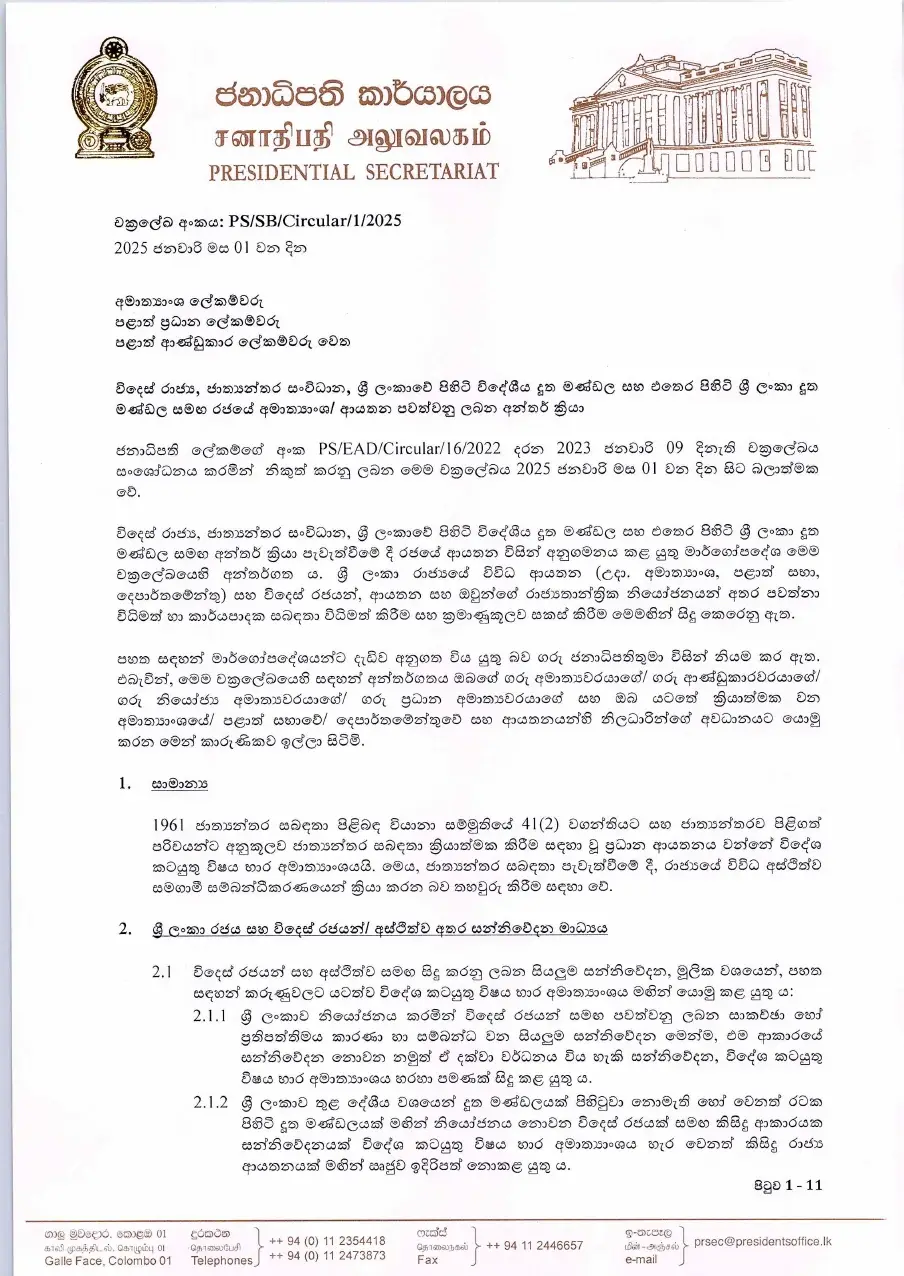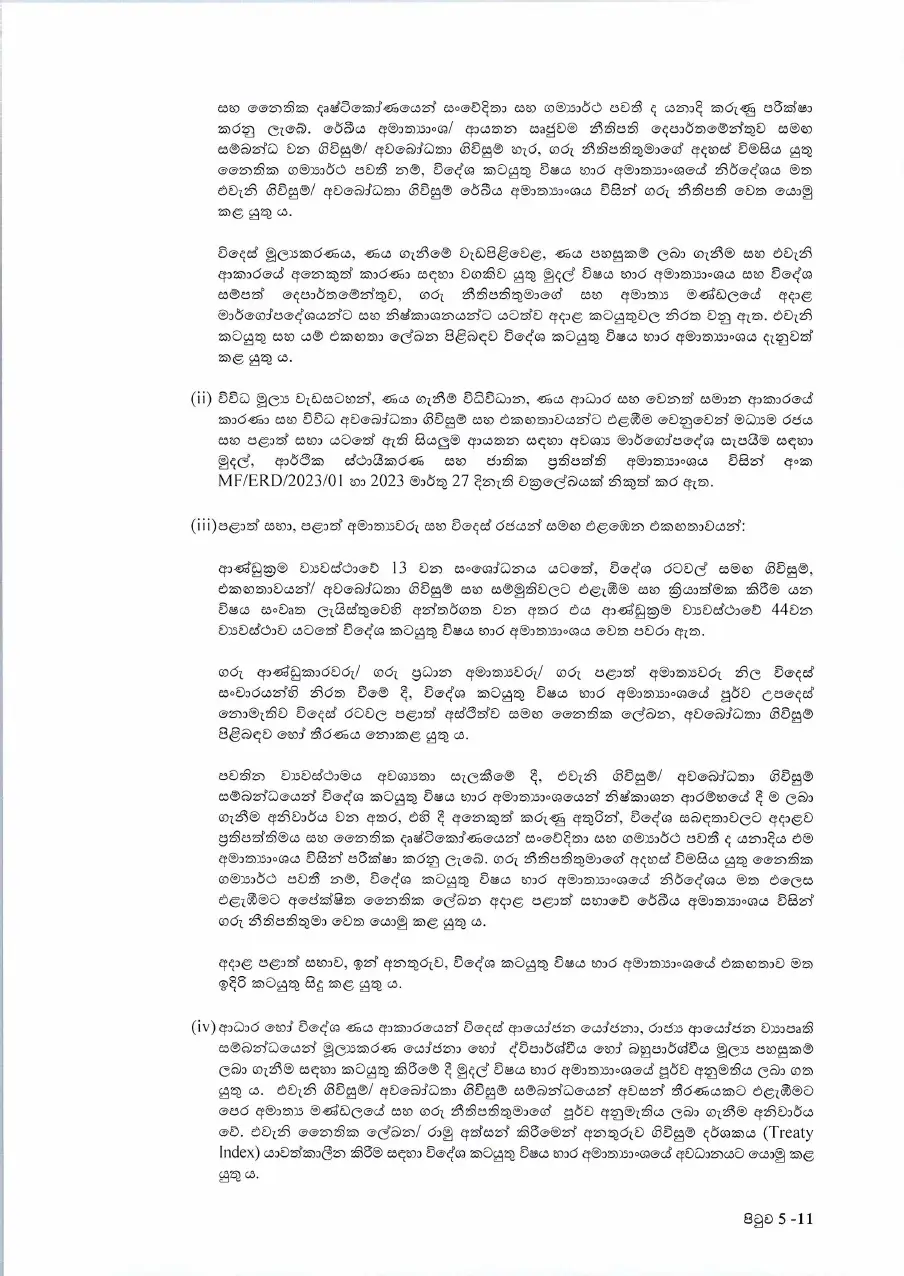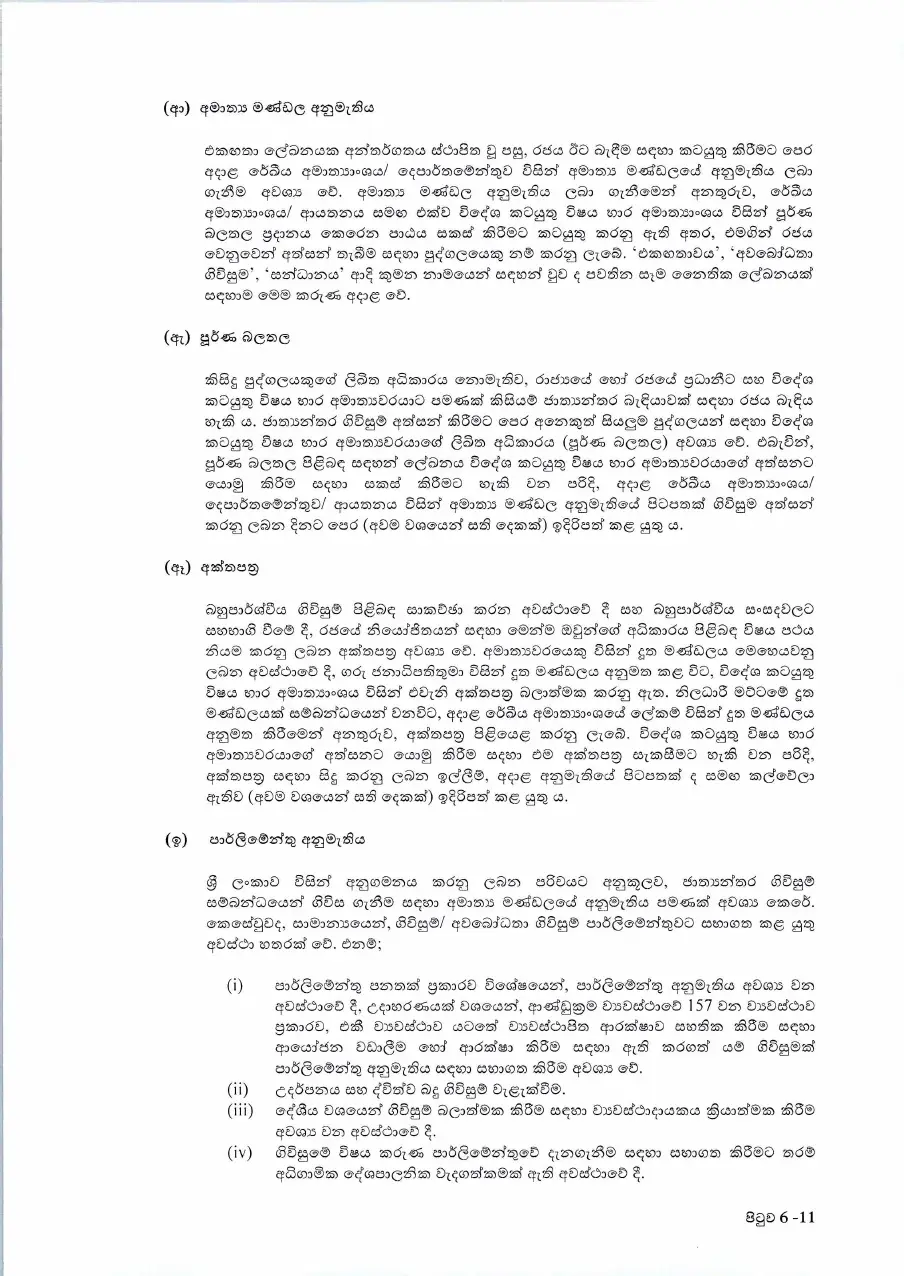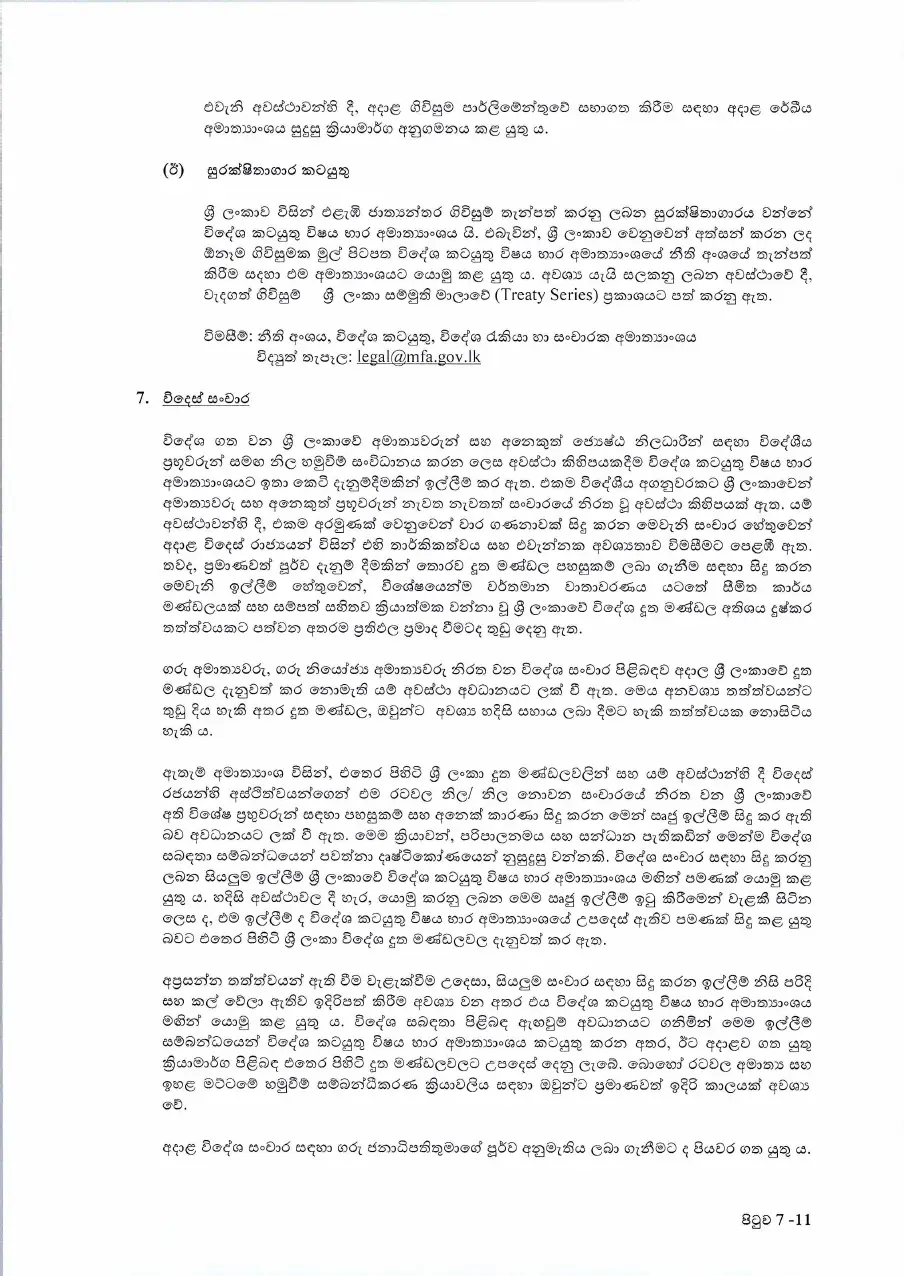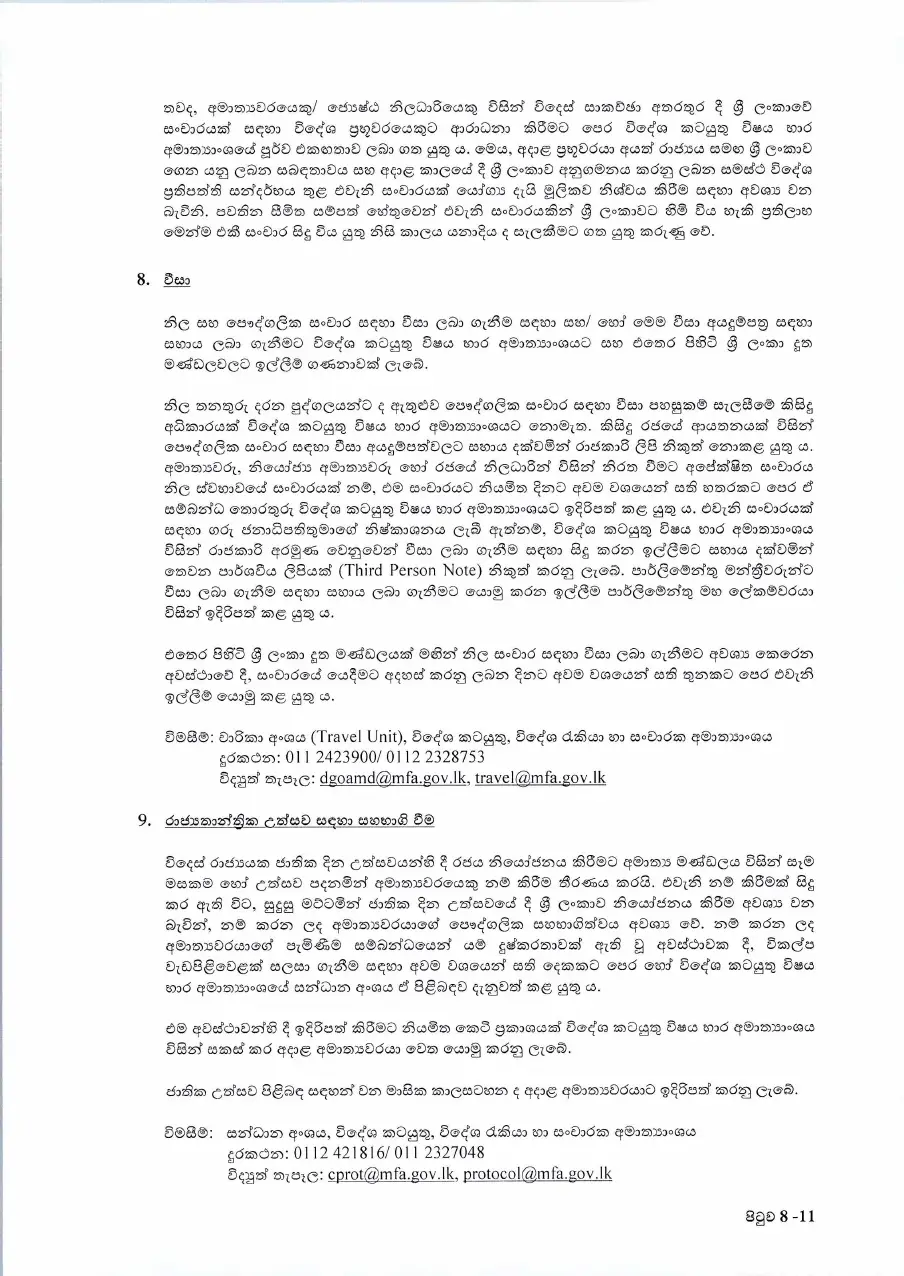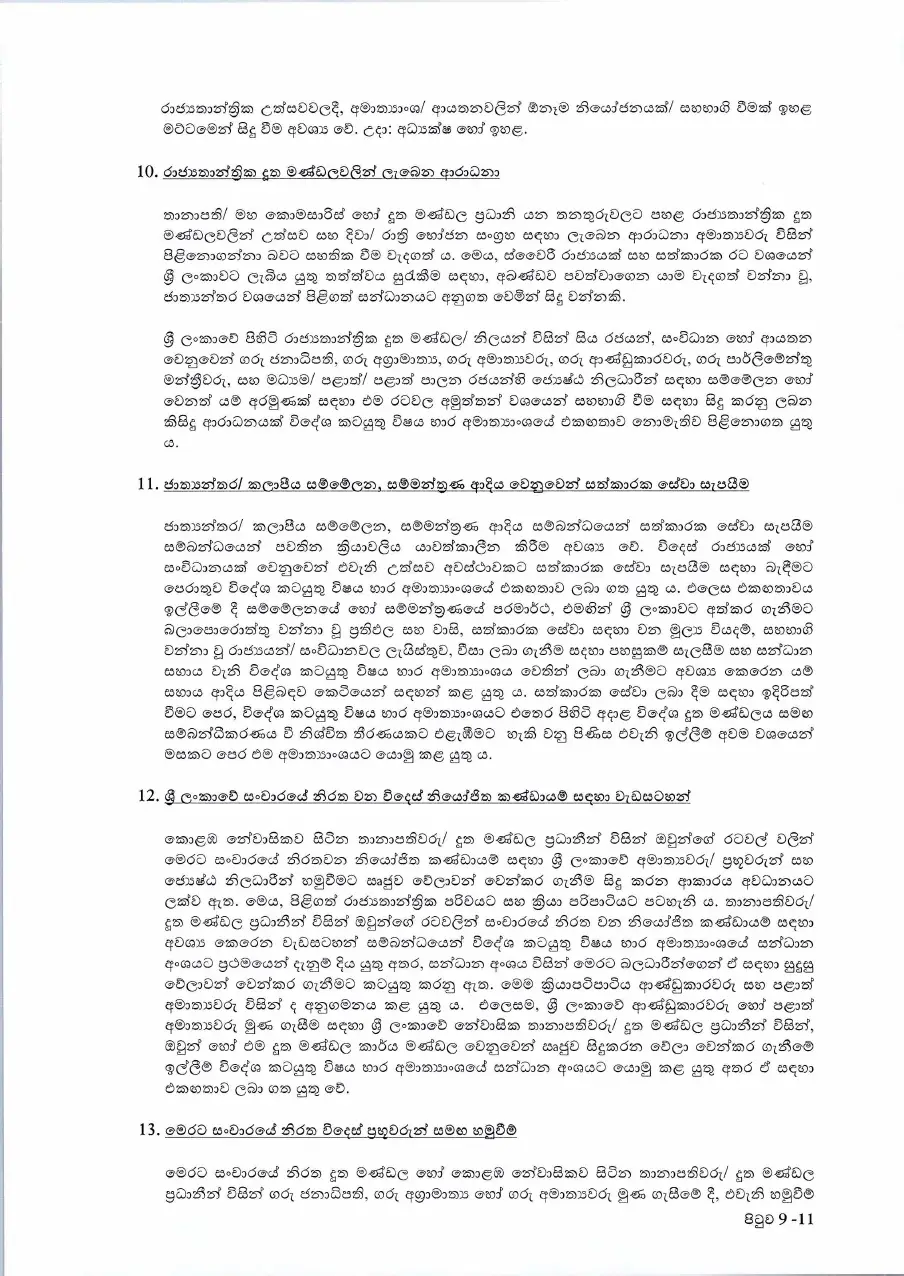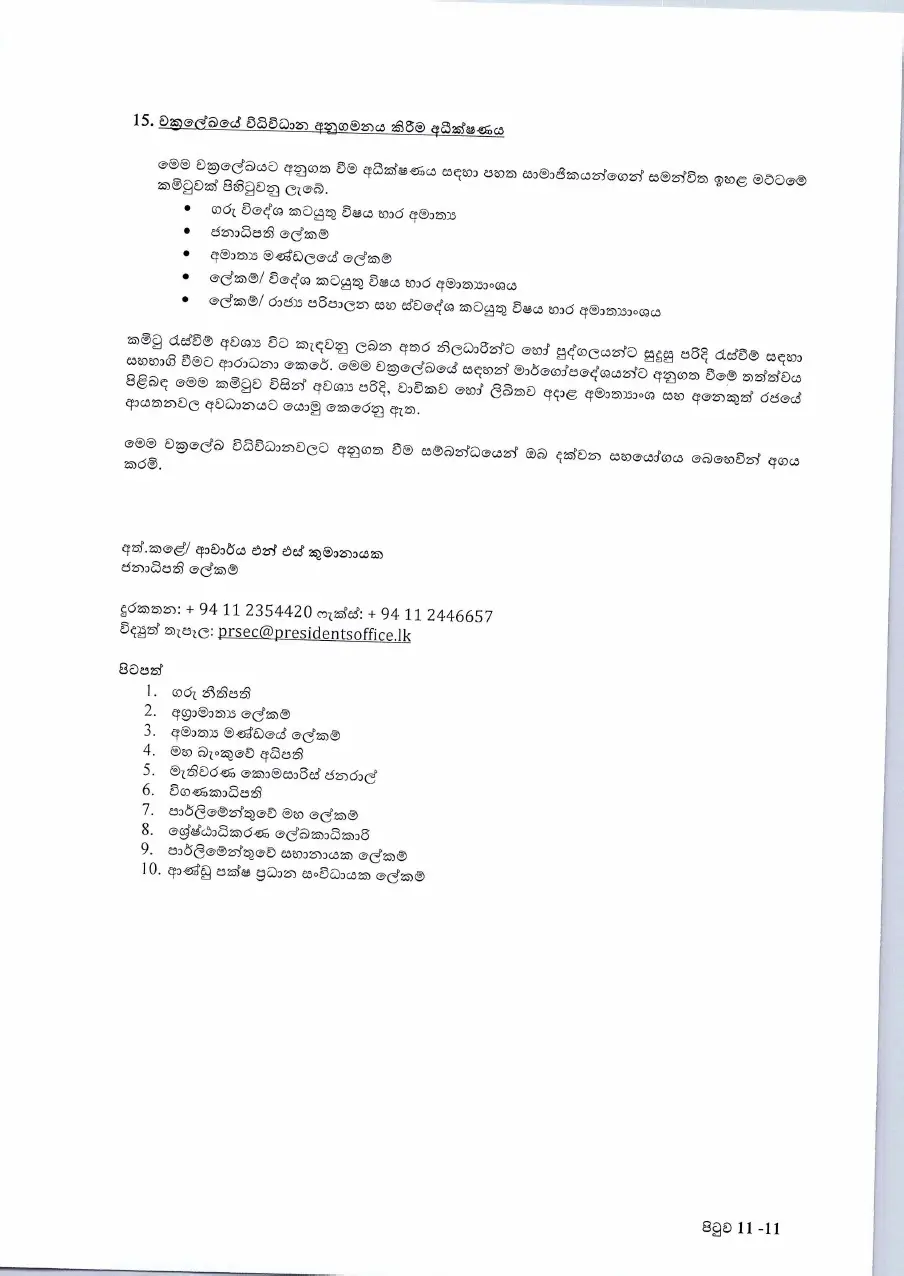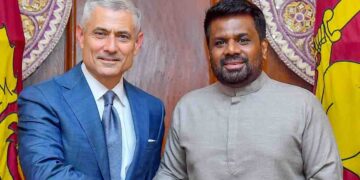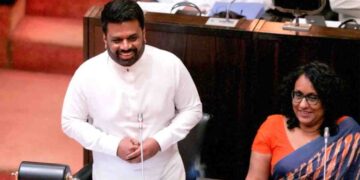

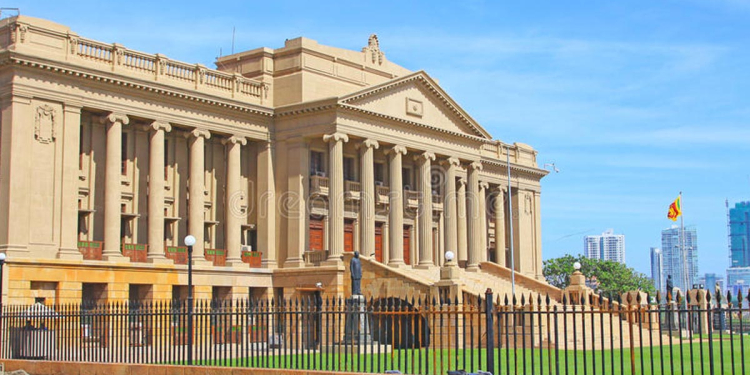
The Presidential Secretariat has released a special circular detailing protocols for interactions between government ministries, institutions, and foreign entities. These guidelines pertain to engagements with foreign governments, international organizations, diplomatic missions in Sri Lanka, and Sri Lankan missions abroad.
The circular, directed to Ministry Secretaries, Provincial Chief Secretaries, and Provincial Governor Secretaries, emphasizes adherence to proper diplomatic practices starting from January 1.
Revised Protocol for Diplomatic Engagements
The circular addresses concerns regarding the direct scheduling of meetings by ambassadors and heads of missions based in Colombo for delegations visiting Sri Lanka. It highlights that such practices bypass established diplomatic norms. To rectify this, the circular mandates that the Alliance Division of the Ministry of Foreign Affairs be informed in advance about programs and schedules for visiting delegations. The Alliance Division will subsequently coordinate suitable arrangements with relevant local authorities.
This policy applies not only to national-level officials but also to governors and provincial ministers. Requests for direct appointments involving Sri Lankan ambassadors, heads of missions, or their staff to meet governors or provincial ministers must also be routed through the Alliance Division.
Similarly, ambassadors and heads of missions residing in Colombo, as well as visiting delegations, are required to consult the Ministry of Foreign Affairs for guidance on appropriate meeting levels with the President, Prime Minister, or other ministers.
Restrictions on Lower-Level Diplomats
The circular explicitly prohibits lower-level officials from foreign embassies, missions, or international organizations—including the United Nations—from arranging meetings with Sri Lanka’s President or Prime Minister.
Media Statements on Foreign Relations
In addition, the circular underscores that no ministry or institution is authorized to release media statements related to Sri Lanka’s foreign policy, international relations, or matters involving foreign countries without prior written clearance from the Ministry of Foreign Affairs.
The directive aims to streamline diplomatic interactions, ensure compliance with international protocols, and maintain coherence in Sri Lanka’s foreign policy communications.