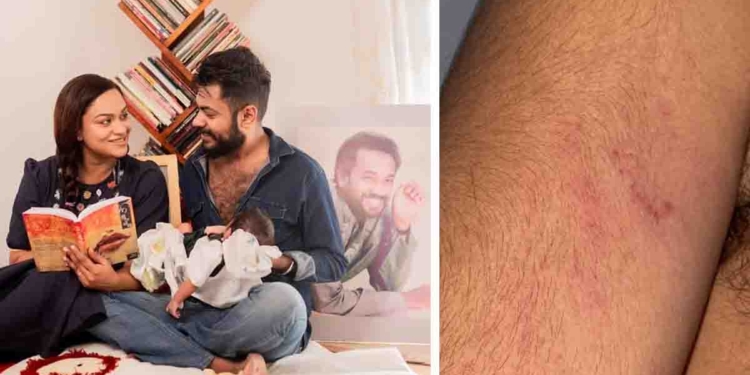
Kasun Mahendra Heenatigala, the nephew of Jackson Anthony, who is widely recognized as a great artist in Sri Lanka, was arrested by plainclothes officers from the Athurugiriya Police and taken to the police station.
The arrest occurred while Heenatigala was visiting a shop near his house. Reports indicate that the police acted arbitrarily and exceeded their authority.
This incident has raised serious concerns, with many arguing that such actions should never take place. In the last presidential and general elections, the public voted with the hope of systemic change. However, there appears to be no improvement in the conduct of the police.
Historically, the police force has been criticized for its actions, and the public had high expectations for better service. Yet, incidents like this suggest that the old ways still persist.
It is imperative that the President, the Minister of Public Security, and the Inspector General of Police intervene immediately, investigate the matter thoroughly, and take necessary action. The police must be transformed into a true public service.
In a Facebook post, Mr. Heenatigala described the incident as follows:
*”Between 6:30 and 7:00 pm this evening, I went to a small shop within sight of the ‘Habarakada House,’ where I reside, to purchase essential items for my home. As I was leaving the shop, three individuals who claimed to be plainclothes police officers blocked my path. When I asked why, one of them inquired about my house. I pointed towards it and said, ‘Over there.’
They then demanded my ID. I asked why I needed identification to visit a shop in front of my house. Another officer responded rudely, saying, ‘Get your face.’ There was a strong smell of alcohol around them, and it was clear they were intoxicated while on duty.
Two officers forcibly grabbed me by the arm and took me to the police station. On the way, they held me down in a brutal manner and searched me. I informed them, ‘You have no right to touch my body; I am a lawyer.’ One officer responded with insults, calling me a ‘son of a whore who has ruined the country.’
At the Athurugiriya Police Station, they searched my clothes and found nothing illegal. I called my wife, Madhavi, and informed her of the situation. Despite breastfeeding our 18-day-old infant, she arrived at the police station with my sister.
When I presented my ID and passport, I asked, ‘Is this sufficient, sir? May I go now?’ But instead of releasing me, one officer insulted my wife without reason. Madhavi questioned why I was brought to the station for simply visiting a shop near our house. We were left shocked and deeply hurt by their behavior.”*
Mr. Heenatigala’s account raises serious questions about police misconduct and violations of fundamental rights, including the constitutional right to freedom from torture.
This incident underscores the urgent need for reform within the police force to ensure professionalism, accountability, and respect for citizens’ rights.